7 Mistakes You're Making with Your Coastal Roof (And How to Fix Them)
- sean fahey
- Jul 7
- 5 min read

Living on the Delmarva Peninsula is a privilege. From the scenic views of the Wicomico River to the salt-tinged breezes of the Atlantic, we enjoy a unique coastal lifestyle. However, what makes Salisbury, MD, and the surrounding Eastern Shore so beautiful is also what makes it incredibly tough on your home: specifically, your roof.
At Peninsula Roofing Company, Inc., we’ve been serving Delmarva since 1947. Over the last 75+ years, we’ve seen how the "Coastal Triple Threat": salt air, high humidity, and intense winds: can turn a standard roof into a liability in record time. Many homeowners treat their coastal roofs the same way they would a roof in the Midwest, and that is often a costly mistake.
If you want to protect your investment and ensure your home stays dry during the next Nor’easter, you need to avoid these seven common coastal roofing blunders. Here is what you might be doing wrong and, more importantly, how to fix it.
1. Ignoring Salt Air Corrosion on Fasteners and Flashing
One of the most silent killers of a roof in Salisbury, MD, is salt air. Salt is highly corrosive, and it doesn't just sit on the surface; it eats away at metal components that hold your roof together. Many standard roofing companies in Salisbury MD use electro-galvanized or uncoated steel nails because they are cheaper. In a coastal environment, these nails can rust out in less than a decade, long before the shingles themselves fail.
The Mistake: Using standard metal flashing, vents, and fasteners that aren't rated for high-salt environments. The Fix: When it’s time for a repair or replacement, insist on stainless steel (Type 304 or 316) or hot-dipped galvanized fasteners. Your flashing should ideally be made of copper, lead-coated copper, or high-grade stainless steel to resist the constant chemical assault of the salt spray.
2. Using Standard Non-Coastal-Rated Shingles
Not all shingles are created equal. A shingle designed for a landlocked suburban neighborhood won't stand a chance against the humidity and salt of the Eastern Shore. Standard shingles can lose their protective granules faster when exposed to salt, leading to "bald spots" that leave the asphalt mat vulnerable to UV damage.
The Mistake: Choosing the cheapest shingle option without checking for coastal durability ratings. The Fix: Work with a roofer Salisbury residents trust to recommend shingles specifically designed for coastal zones. Look for shingles with enhanced granule adhesion and algae-resistance (to combat the dark streaks caused by our high humidity). These materials are engineered to withstand the accelerated aging process unique to our region.
3. Neglecting Proper Attic Ventilation in Humid Conditions
In Salisbury, MD, the humidity isn't just a comfort issue: it’s a structural one. If your attic isn't breathing correctly, that heavy, moisture-laden air gets trapped. This leads to condensation on the underside of your roof deck, which can cause wood rot, mold, and even cause your shingles to "cook" from the inside out during our hot Maryland summers.
The Mistake: Blocking soffit vents or having inadequate ridge ventilation, thinking it helps "insulate" the home. The Fix: Ensure you have a balanced ventilation system. This means enough intake (soffit vents) and enough exhaust (ridge or gable vents) to create a continuous flow of air. Because we are near the coast, ensure your vent covers are also made of corrosion-resistant materials so they don't rust shut and trap that humidity inside.
4. Underestimating Wind Damage and Skipping Wind-Rated Shingles
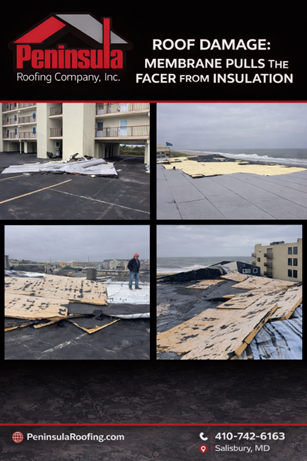
We don't just get rain in Delmarva; we get wind-driven rain. Coastal winds can reach high speeds during summer thunderstorms and winter storms. If your shingles aren't rated for high winds: or if they weren't installed with the correct nailing pattern: the wind can get underneath them, creating "uplift" that peels your roof back like a banana.
The Mistake: Assuming "standard" installation is enough for coastal wind speeds. The Fix: When looking at roofing Salisbury MD, ensure your contractor follows a "high-wind" nailing pattern (usually six nails per shingle instead of four). Use shingles with a high-wind warranty (often up to 130 mph) and ensure the starter shingles at the eaves and rakes are properly secured, as these are the most common points of failure during a storm.
5. Skipping Post-Storm Inspections and Deferred Maintenance
Many homeowners only call a salisbury roofing professional when they see water dripping from the ceiling. By then, the damage is already extensive. After a major wind event or a heavy storm, small issues like a single lifted shingle or a cracked seal around a vent pipe can go unnoticed.
The Mistake: Waiting for a visible leak before checking the roof. The Fix: Schedule a professional inspection at least twice a year: ideally in the spring and fall: and after any major storm. At Peninsula Roofing, we’ve been performing these vital checks since 1947. Catching a loose fastener or a minor corrosion spot early can save you thousands in full replacement costs later.

6. Focusing Only on Surface Issues While Ignoring Hidden Damage
Your roof is a system, not just a layer of shingles. Often, homeowners focus on how the shingles look while ignoring what’s underneath. Coastal humidity and salt air can compromise the "decking" (the wood underneath the shingles) and the "underlayment" (the waterproof barrier). If the decking becomes soft or the seals around your chimney are compromised, new shingles won't solve your problem.
The Mistake: Putting "lipstick on a pig" by shingling over damaged or rotting wood decking. The Fix: A reputable roofer salisbury should always perform a "decking check" during any repair or replacement. If the wood is soft or shows signs of delamination from moisture, it must be replaced. Proper flashing and ice-and-water shields are non-negotiable in our climate to protect these hidden layers.
7. Not Rinsing Salt Deposits from the Roof
This is perhaps the most overlooked maintenance task for coastal residents. Just as you might rinse your car after a trip to the beach to prevent rust, your roof needs a "bath" too. Over time, salt crystals build up on shingles, flashing, and gutters. These crystals trap moisture against the metal and asphalt, accelerating the breakdown of materials.
The Mistake: Letting salt deposits sit on the roof for years. The Fix: Periodically: about twice a year: use a standard garden hose to gently rinse your roof and gutters with fresh water. Never use a power washer, as the high pressure can strip the protective granules off your shingles and force water under the laps. A simple, low-pressure rinse is all it takes to extend the life of your metal components and shingles significantly.
Trust the Experts Who Know Delmarva
Coastal roofing isn't just about hammering down shingles; it's about understanding the unique physics of the Eastern Shore environment. Choosing between various roofing companies salisbury md comes down to experience and local knowledge. At Peninsula Roofing Company, Inc., we don't just work here: we live here. We know exactly what the salt air does to a chimney flashing and how the wind treats a roof on a house in North Salisbury compared to one right on the bay.
Whether you need a quick repair after a storm or a comprehensive evaluation of your aging roof, we are here to help. We pride ourselves on finding budget-appropriate solutions, often recommending a targeted repair over a full replacement when it's safe and effective to do so.
Is your coastal roof ready for the next storm? Don't wait for the first leak to appear. Contact the roofers in salisbury md who have been protecting our community for over seven decades.

Comments