A Brief History of Salisbury, MD: From Colonial Crossroads to Delmarva's Hub
- sean fahey
- Dec 16, 2025
- 5 min read

Nestled along the banks of the Wicomico River, Salisbury, Maryland has quite the story to tell. What started as a strategic colonial trading post nearly three centuries ago has blossomed into the beating heart of the Delmarva Peninsula. It's a tale of geographic luck, entrepreneurial spirit, devastating setbacks, and remarkable resilience that shaped this charming city into what locals proudly call home today.
The Early Days: When Salisbury Was Just a Dot on the Map
Picture this: it's August 8, 1732, and a group of commissioners is standing along the Wicomico River, mapping out what would become Salisbury. They chose this spot for good reason: it sat at the head of navigation on the river, making it the perfect place for boats to stop and trade. Think of it as the colonial equivalent of a highway rest stop, except way more important for the local economy.
The name "Salisbury" wasn't picked out of a hat either. These English settlers were feeling a bit homesick and named their new town after the ancient cathedral city of Salisbury in Wiltshire, England. It was Lord Baltimore's vision, and from day one, this little outpost was designed to serve merchants and farmers from all across the Eastern Shore.
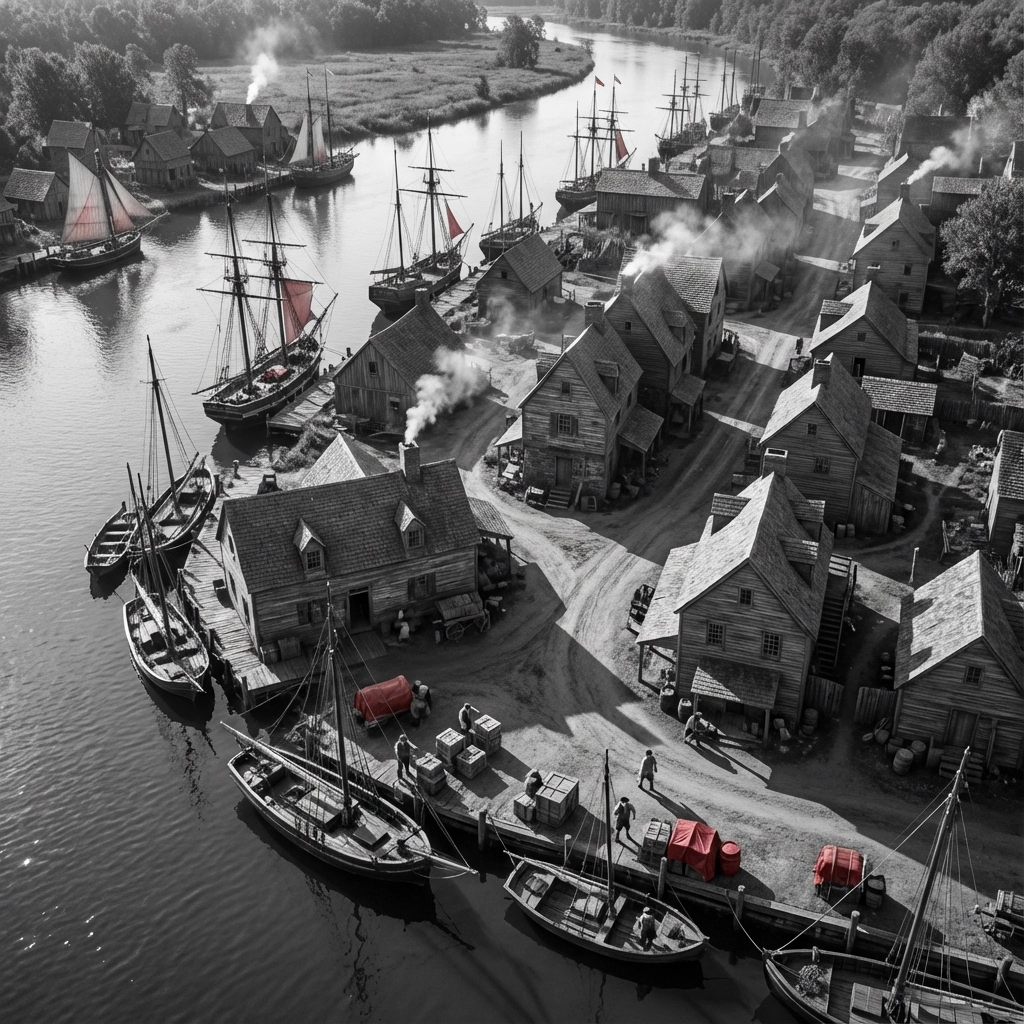
What made Salisbury special from the get-go was its location. While other towns might have been prettier or had better soil, Salisbury had something even more valuable: it was perfectly positioned for trade. Farmers could bring their goods down the river, merchants could ship them out to bigger markets, and everyone could make a living in between.
The Golden Age: Steamboats, Shipyards, and Serious Growth
By the mid-1700s, Salisbury was hitting its stride. The town had evolved from a simple trading post into a legitimate commercial hub that drew people from all over the region. Local shipbuilders were crafting vessels right there on the Wicomico, and the port was buzzing with activity.
The War of 1812 might have been rough on the nation, but it was actually pretty good for Salisbury's business. Suddenly, there was huge demand for local goods, and the town's agriculture and seafood industries took off like rockets. Local farmers were shipping everything from corn to tobacco, while watermen were pulling oysters, crabs, and fish from the Chesapeake Bay and its tributaries.
Then came the steamboats, and everything changed. These iron horses of the water made it incredibly easy to ship goods to major ports like Baltimore and Philadelphia. What used to take days by wagon could now be done in hours by boat. Salisbury's location at the head of navigation meant it became the natural collection point for goods from the entire region.
All Aboard: The Railroad Changes Everything
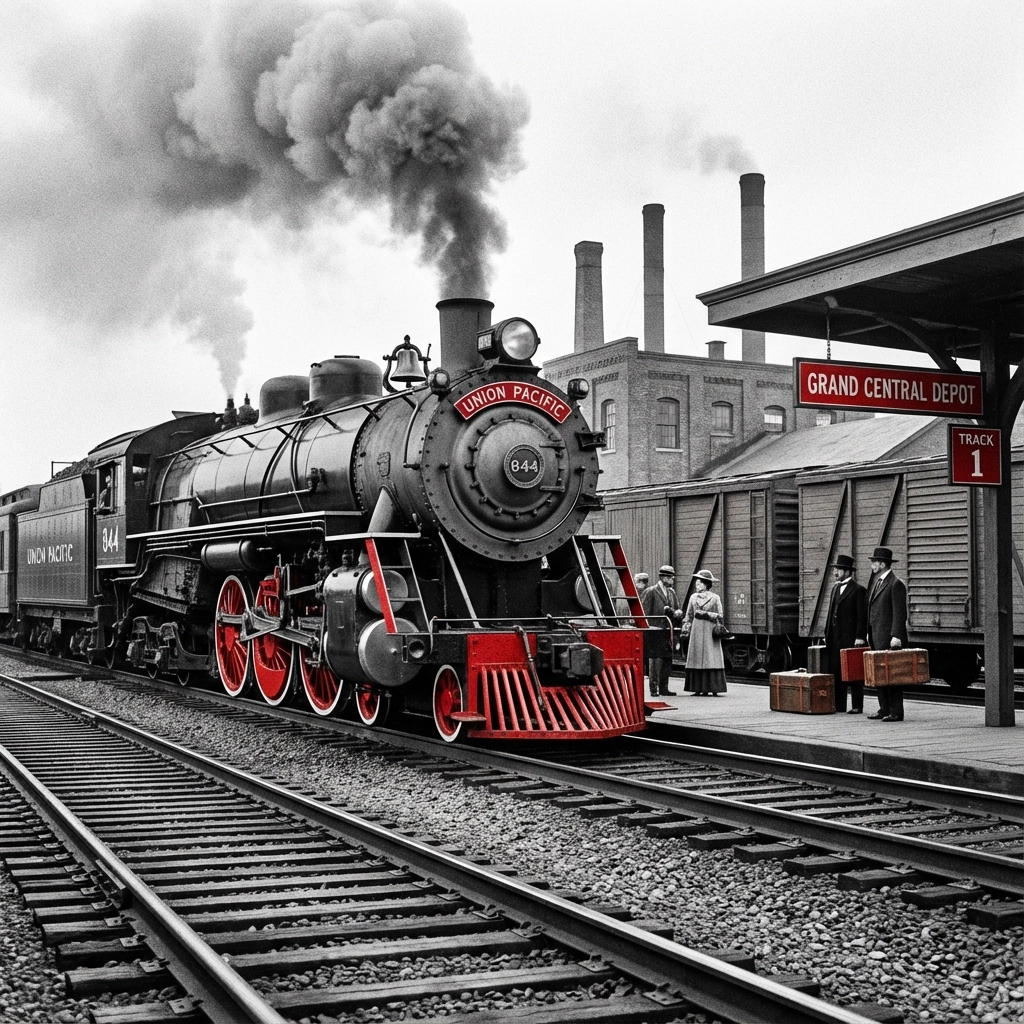
July 4, 1860, was a red-letter day in Salisbury's history: the Eastern Shore Railroad Line finally reached town. Talk about a game-changer! Suddenly, Salisbury was connected not just to the water routes it had always relied on, but to the entire Eastern Seaboard by rail.
This railroad connection positioned Salisbury as the crucial middleman between Baltimore, Wilmington, and Philadelphia. The lumber industry exploded, seafood could be shipped fresh to distant markets, and the town developed a thriving canning industry. Local canneries were packing everything from oysters to tomatoes, shipping them far and wide.
By 1854, the town had grown enough to officially incorporate as a city. Things were looking pretty good for this little river town.
When Disaster Struck: The Great Fires
But Salisbury's story isn't just one of steady growth: it's also a tale of incredible resilience in the face of disaster. The town faced not one, but two devastating fires that tested the community's resolve.
The first fire hit in 1860, wiping out the entire business section of the city. Just as folks were getting back on their feet, disaster struck again. On October 17, 1886, a fire roared through downtown Salisbury that was so intense and widespread it destroyed 22 acres: roughly two-thirds of the entire town.
Imagine waking up to find your entire downtown reduced to ashes. Most communities might have packed up and moved elsewhere, but not Salisbury folks. They rolled up their sleeves, cleared the debris, and rebuilt their town better than before. This rebuilding effort showed the world what Salisbury was really made of: pure determination.
Becoming the County Seat: Official Recognition
In 1867, Salisbury got some official recognition for what everyone already knew: it was the most important town in the area. When Wicomico County was carved out of parts of Somerset and Worcester Counties, Salisbury was chosen as the county seat. This wasn't just an honor; it was an acknowledgment of the city's role as the region's administrative and economic center.
Having the courthouse, county offices, and all the associated business that comes with being a county seat brought new energy and stability to Salisbury. Lawyers, government workers, and people doing official business all had to come through town, which meant more customers for local businesses and more reasons for people to settle down permanently.
The 20th Century: Education and Modernization
The year 1925 marked another turning point when Salisbury University (originally called the State Normal School) opened its doors. This transformed Salisbury from a purely blue-collar, industrial town into a place that valued both hard work and higher learning.
The university brought students, professors, and researchers to town, creating a more diverse and intellectually vibrant community. Local coffee shops started staying open later, bookstores appeared, and the town developed the kind of cultural life you'd expect in a college town.
World War II brought more changes, including the opening of Salisbury's airport in 1944. This connected the city to national air travel networks, making it easier for businesses to expand and for people to come and go.
Modern Salisbury: The Heart of Delmarva
The latter half of the 20th century saw Salisbury truly come into its own as the regional hub it was always meant to be. The Wicomico County Civic Center opened in 1980, giving the area a proper venue for concerts, sports events, and large gatherings. New neighborhoods sprouted up, schools expanded, and parks were developed throughout the city.
Today's Salisbury is a perfect blend of its historic roots and modern amenities. Downtown still has that small-city charm, but you'll find everything from trendy restaurants to cutting-edge medical facilities. The university continues to grow, bringing in students from across the region and beyond.
The city serves as the commercial and cultural center for the entire Delmarva Peninsula, just as those colonial commissioners probably envisioned nearly 300 years ago. Shopping centers, medical complexes, and business parks have grown up around the historic core, but the Wicomico River still flows through the heart of it all, connecting modern Salisbury to its maritime heritage.
What Makes Salisbury Special
What's remarkable about Salisbury's story isn't just that it survived and thrived: it's how the community's character was forged through both good times and bad. The resilience shown after those devastating 19th-century fires became part of the city's DNA. The entrepreneurial spirit that built the early trading networks still drives local business today.
Salisbury's success comes down to something pretty simple: location, location, location. But it's also about the people who chose to make this river town their home, who rebuilt after disasters, who welcomed the university, and who continue to shape its future.
From colonial crossroads to modern regional hub, Salisbury's journey reflects the broader American story of growth, change, and community resilience. It's a city that honors its past while embracing the future: and that's exactly what makes it the heart of Delmarva.
Comments