Are Energy-Efficient Roofs Worth It? Salisbury Roofers Reveal Insurance Savings You're Missing
- sean fahey
- Jan 5
- 5 min read

Let's be honest: when most folks think about getting a new roof, they're focused on keeping the rain out and maybe boosting their home's curb appeal. But what if I told you that the right roof could actually put money back in your pocket every month? Not just through energy savings (though that's huge), but through insurance discounts that many Salisbury homeowners don't even know exist.
After 75+ years of roofing homes and businesses across Delmarva, we've seen firsthand how energy-efficient roofing can transform both comfort and budgets. So let's dive into whether these roofs are actually worth the investment: and spoiler alert: the numbers might surprise you.
What Makes a Roof "Energy-Efficient"?
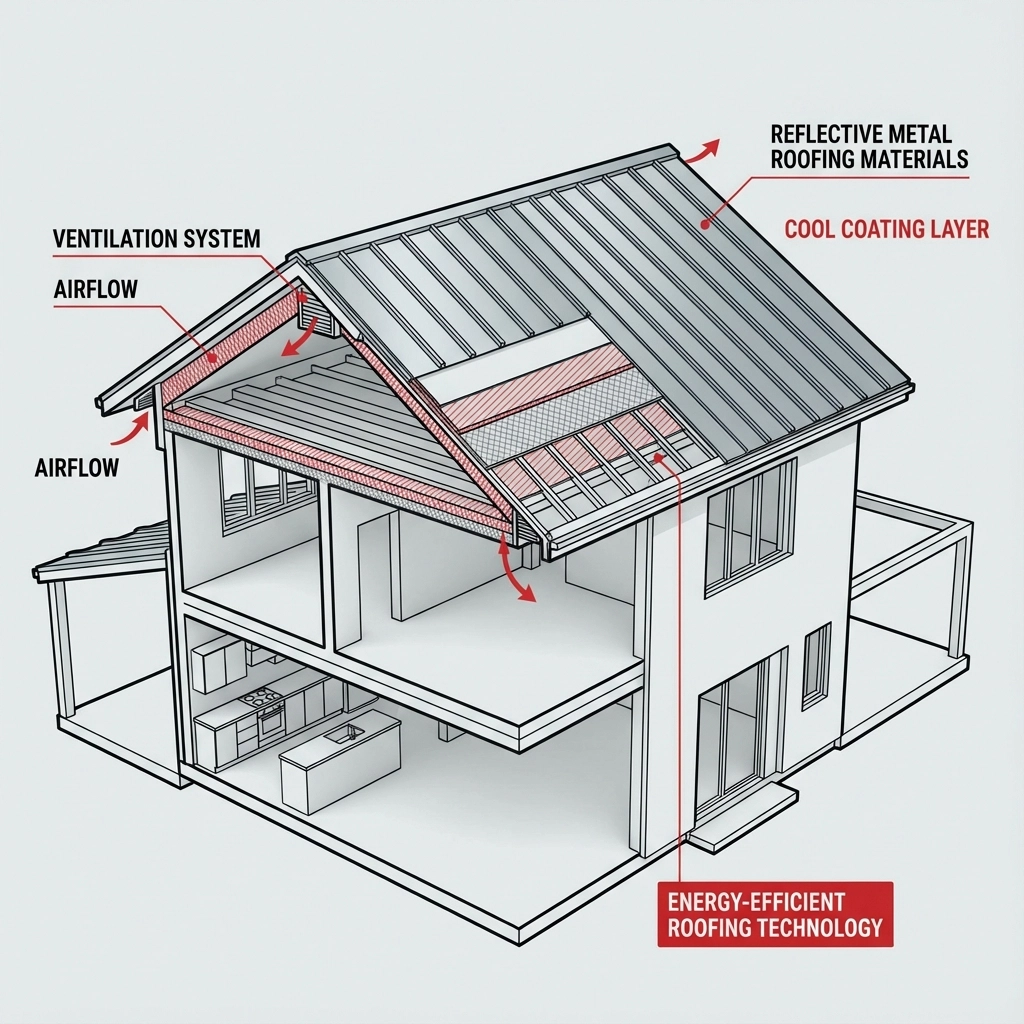
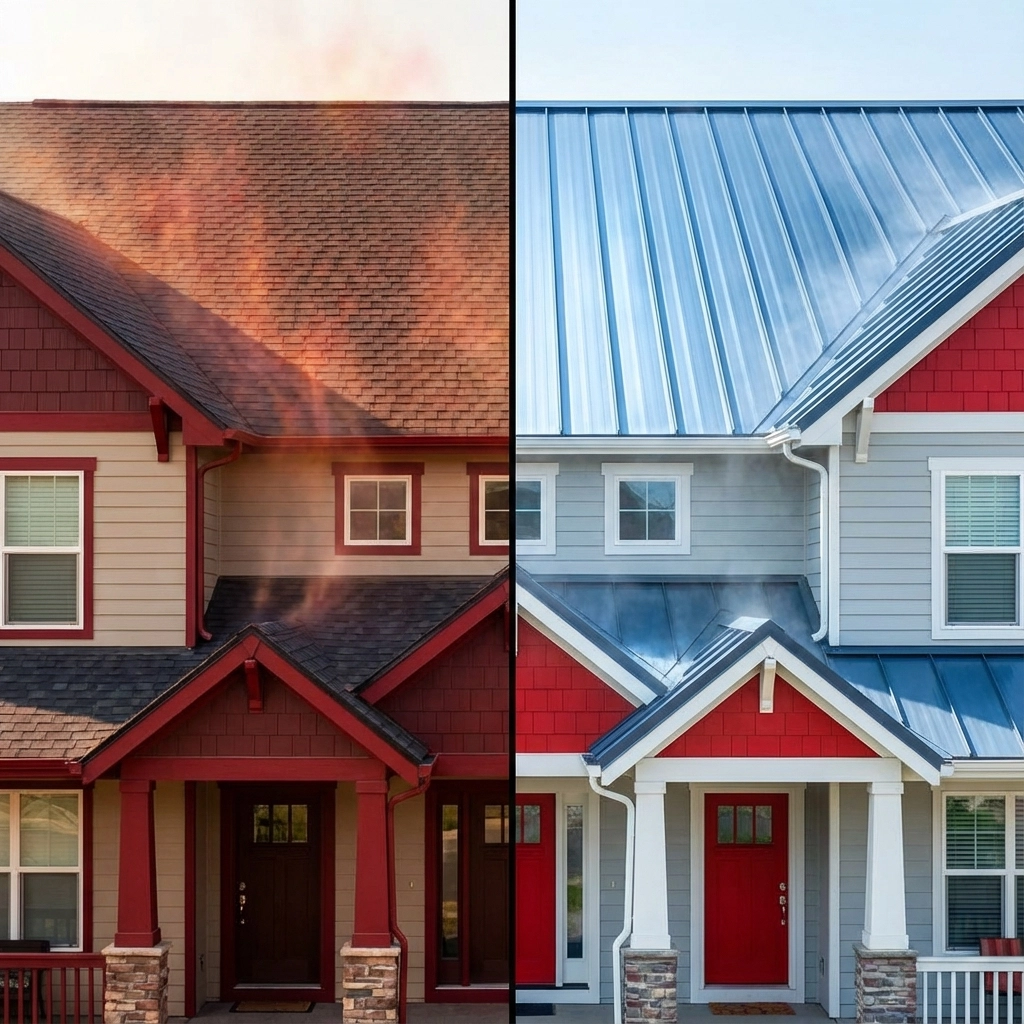
Energy-efficient roofs aren't just marketing buzzwords. These roofing systems are specifically designed to reflect more sunlight and absorb less heat than traditional materials. Think of them as sunglasses for your house.
The key technologies include:
Cool roofing materials with high solar reflectance
Metal roofing with reflective coatings
Impact-resistant shingles that often include energy-saving features
Proper insulation and ventilation systems that work with your roofing material
In our humid Maryland summers, these features make a real difference. When your roof isn't absorbing as much heat, your AC doesn't have to work overtime to keep you comfortable.
The Energy Savings: Real Numbers from Real Bills
Here's where things get interesting. Energy-efficient roofs typically reduce cooling costs by 10-15% per year, with some homeowners seeing savings of $300-500 annually. That might not sound earth-shattering until you multiply it over 20-30 years.
Metal roofs deliver the most dramatic results, potentially cutting summer cooling costs by up to 40% in our hot, humid climate. We've had customers in Salisbury tell us their July electric bills dropped by $60-80 per month after switching from old asphalt shingles to a reflective metal roof.
But energy savings are just the beginning. The real game-changer? Your insurance company might start paying you to have an energy-efficient roof.
Insurance Discounts: The Hidden Money-Saver
This is where many homeowners leave money on the table. Insurance companies love energy-efficient roofs because they reduce risk: both from weather damage and from the claims that follow.
Metal roofing discounts are the most significant, often ranging from 15-40% depending on your insurer and location. Here in Maryland, where we get our share of storms and hail, that discount adds up fast.
Impact-resistant shingles (Class 3 and Class 4 ratings) also qualify for premium reductions. These aren't just energy-efficient; they're built to handle whatever Mother Nature throws at them.
Let's do some quick math: If you're paying $2,000 annually for homeowners insurance and qualify for a 20% discount, that's $400 back in your pocket every year. Over 20 years, you're looking at $8,000 in savings. Over 30 years? That's $12,000.
Pros and Cons: The Real Talk
The Good Stuff:
Lower monthly utility bills (typically 10-25% reduction)
Insurance premium discounts (15-40% for qualified materials)
Longer lifespan (metal roofs last 40-70 years vs. 15-25 for standard asphalt)
Increased home value and marketability
Better storm resistance
More comfortable indoor temperatures
Reduced maintenance costs over time
The Not-So-Good:
Higher upfront investment (typically 20-50% more than standard roofing)
Limited color and style options with some materials
May require structural upgrades for heavier materials like slate or tile
Not all insurance companies offer the same discounts
Payback period can take 5-7 years
Local Considerations for Delmarva Homeowners
Living on the Delmarva Peninsula comes with unique challenges. We get hot, humid summers that strain AC systems, plus we're in a storm-prone region where impact resistance matters.
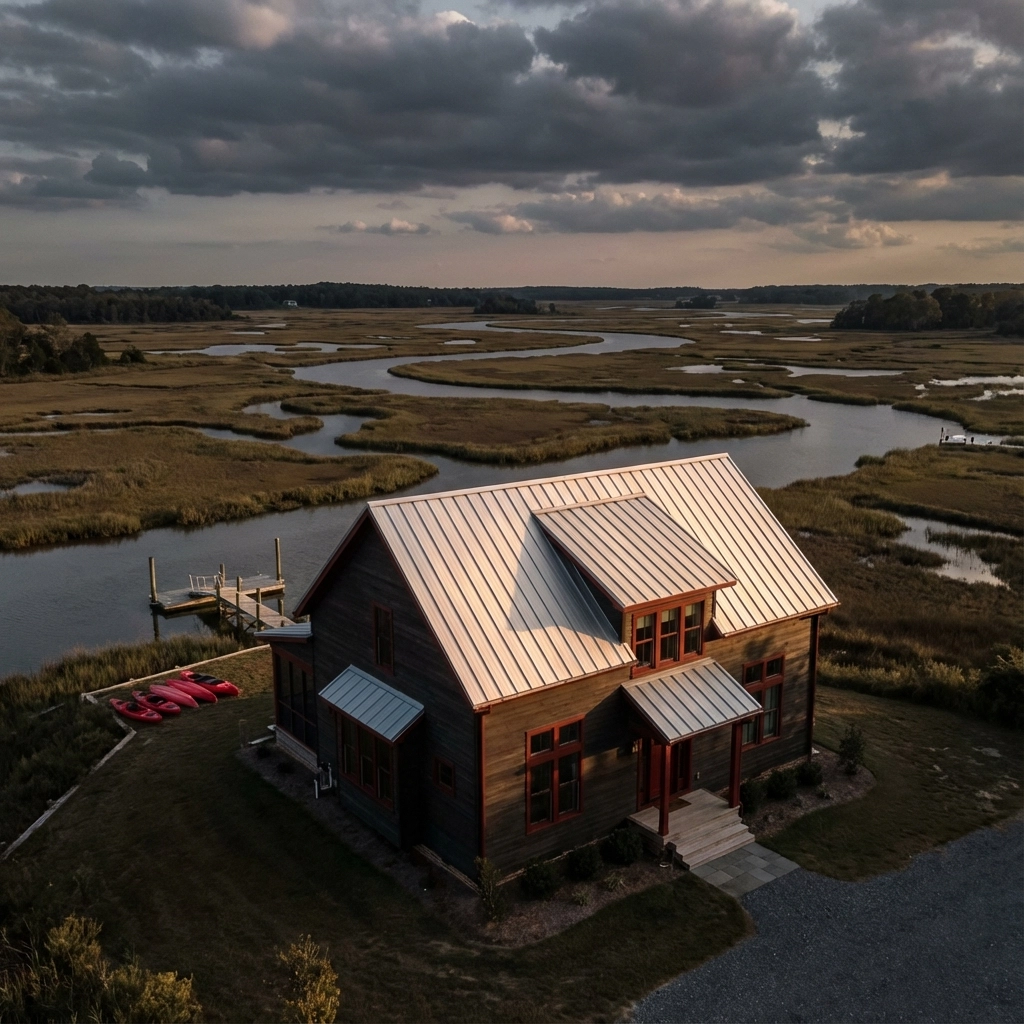
Our coastal location also means salt air, which can be tough on certain roofing materials. Metal roofs with proper coatings actually handle salt air better than many traditional materials, making them a smart long-term choice for waterfront properties.
The energy savings are particularly meaningful here because of our extended cooling season. While folks up north might only run AC for a few months, we're often cooling our homes from May through September.
Real ROI Examples
Let's look at a typical Salisbury home with a 2,000-square-foot roof:
Scenario 1: Premium Metal Roof
Additional upfront cost: $8,000 over standard asphalt
Annual energy savings: $400
Annual insurance savings: $300
Total annual savings: $700
Payback period: About 11 years
Total 30-year savings: $21,000 (minus the initial $8,000 = $13,000 net gain)
Scenario 2: Impact-Resistant Shingles
Additional upfront cost: $3,000 over standard asphalt
Annual energy savings: $200
Annual insurance savings: $150
Total annual savings: $350
Payback period: About 8.5 years
Total 25-year savings: $8,750 (minus the initial $3,000 = $5,750 net gain)
Remember, these numbers don't include the increased home value or the avoided replacement costs from having a longer-lasting roof.
Getting the Most from Your Investment
Not all energy-efficient roofs are created equal, and not all homes are good candidates for every type of energy-efficient roofing. Factors like your home's orientation, existing insulation, and local building codes all play a role.
That's where experience matters. We've been installing roofs across Delmarva since 1947, and we've learned that the best roof is the one that fits your specific situation: not just the one with the highest efficiency rating.
Before making any decisions, it's worth having a professional assessment. Many homeowners are surprised to learn that simple improvements like better attic ventilation or upgraded insulation can dramatically boost their existing roof's efficiency without a full replacement.
The Bottom Line
Are energy-efficient roofs worth it? For most Salisbury-area homeowners, absolutely: but with some important caveats.
If you're already planning a roof replacement, the upgrade to energy-efficient materials is almost always a smart financial move. The combination of energy savings, insurance discounts, and increased longevity typically pays for the additional investment within 5-10 years.
If your current roof is in good shape, the math gets trickier. You might be better off investing in improved insulation and ventilation first, then considering energy-efficient materials when it's time for your next replacement.
Ready to Explore Your Options?
Here's the thing: every home is different, and every homeowner's priorities are different. What works for your neighbor might not be the best solution for you, and that's okay.
If you're curious about whether energy-efficient roofing makes sense for your situation, we'd be happy to take a look. We offer free, no-obligation inspections throughout the Salisbury area, and we'll give you straight talk about what makes sense for your home and budget.
No hard sell, no pressure: just honest advice from folks who've been helping Delmarva homeowners protect their biggest investment for more than seven decades.
Want to learn more? Give us a call or contact us to schedule your free inspection. We'll help you figure out the best, most cost-effective solution for your home: whether that's energy-efficient roofing or something else entirely.
After all, the best roof is the one that gives you peace of mind and fits your budget. Everything else is just details.
Comments