Coastal Roofing Challenges in Delmarva: Why Local Salisbury Roofers Know What Out-of-Town Contractors Don't
- sean fahey
- Dec 22, 2025
- 6 min read

Living along the beautiful Delmarva Peninsula comes with amazing perks – gorgeous sunsets, beach access, and that refreshing ocean breeze. But if you're a homeowner here in Salisbury or anywhere else in our coastal region, you know that same environment that makes this area so special can be pretty tough on your roof.
Here's the thing: not all roofers understand what it takes to build and maintain a roof that can handle our unique coastal challenges. There's a huge difference between a contractor who occasionally works near the water and one who's been dealing with Delmarva's specific conditions for decades.
What Makes Delmarva Roofing So Different?
Let's talk about what your roof faces here that roofs in, say, Pennsylvania or inland Virginia simply don't deal with.
Salt is Everywhere That ocean breeze carrying the smell of salt water? It's also carrying actual salt particles that settle on your roof every single day. When salt mixes with moisture (and we've got plenty of that), it becomes incredibly corrosive. Your roof's metal components – gutters, flashing, fasteners, vents – are under constant attack.
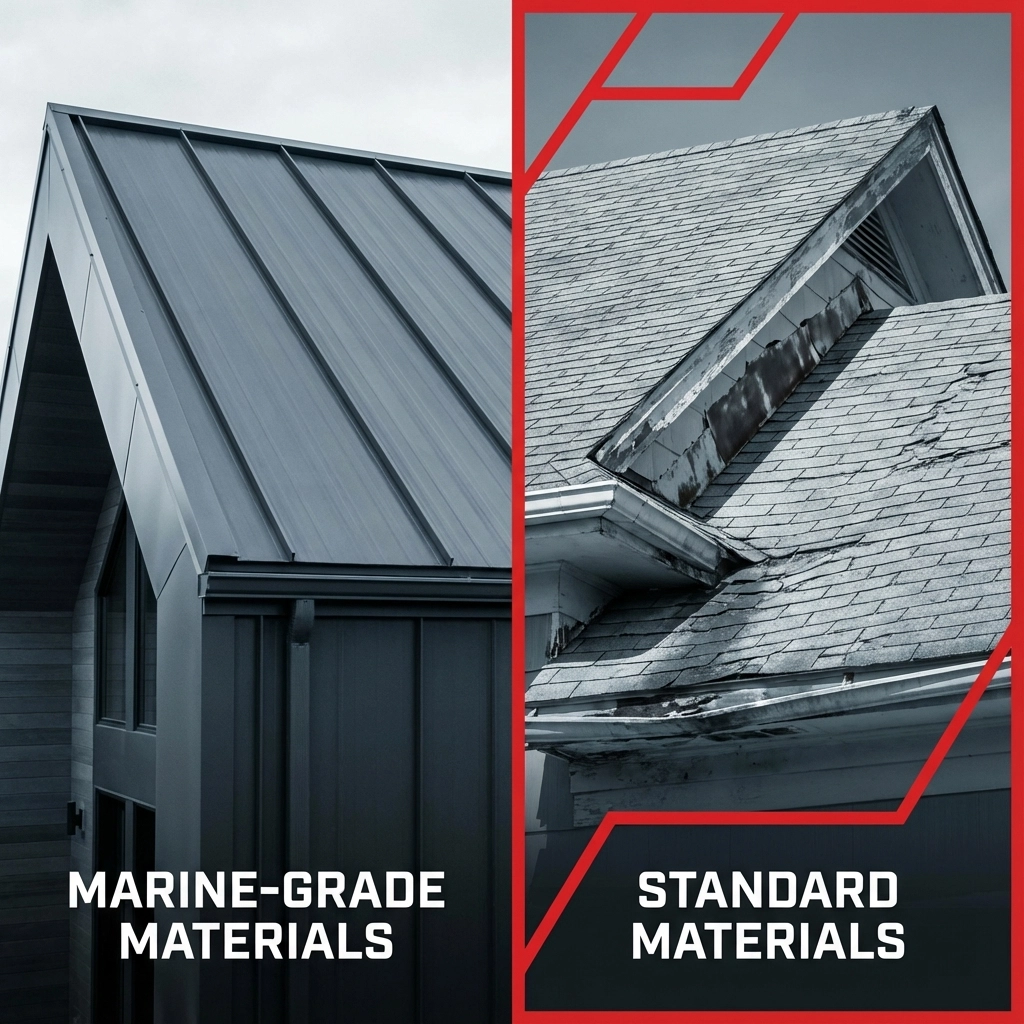
I've seen out-of-town contractors install standard galvanized flashing that starts rusting within two years because they didn't account for our salt air. A local roofer automatically specs marine-grade materials because we know what happens if you don't.
Wind That Means Business Our storms aren't just rain – they're horizontal rain driven by 60, 70, even 100+ mph winds. Nor'easters and tropical systems are part of life here. That wind doesn't just push against your roof; it tries to lift it off your house and drives rain into places you'd never expect.
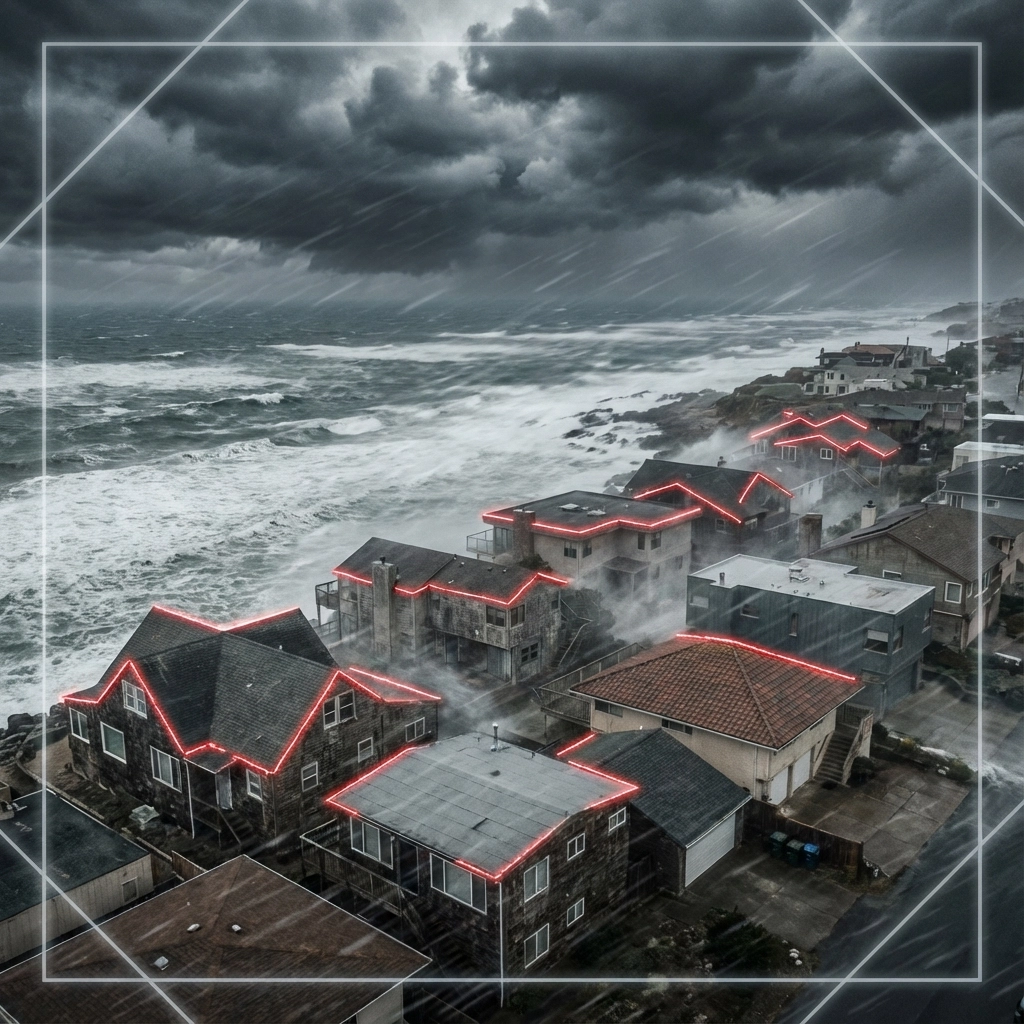
Humidity and Fog Like Nowhere Else The combination of water on three sides and our flat terrain creates this almost perpetual humidity. We get fog banks that roll in and just sit for hours, keeping everything damp. Your roof never really gets a chance to completely dry out, which creates perfect conditions for algae, moss, and rot – problems that inland contractors rarely see.
What Local Salisbury Roofers Know (That Others Don't)
Our Weather Patterns A contractor from Baltimore might know how to handle snow loads and ice dams, but do they understand how quickly a coastal storm can intensify? Local roofers have watched decades of weather patterns. We know that when the weather service says "possible 40 mph winds," we better prep for 60 mph because that's how storms behave when they hit our flat, exposed peninsula.
We also know the timing. Storm season isn't just "hurricane season" here – we get hit from multiple directions. Spring nor'easters, summer thunderstorms that pack incredible punch, fall hurricanes, and winter storms that bring both ice and wind. Each type requires different protective strategies.
Local Building Codes and Requirements Maryland's building codes are different from Delaware's, which are different from Virginia's. But beyond that, individual counties and municipalities here have their own requirements based on their specific wind zones and flood risks. A roofer from out of town might meet basic code, but miss the local amendments that could save you thousands in insurance premiums or prevent a catastrophic failure.
Material Performance in Our Environment Here's something most people don't think about: the same shingle that lasts 25 years in Frederick, Maryland, might only last 18 years here in Salisbury. Why? Because our environment is just that much more aggressive.
Local roofers know which manufacturers have products specifically designed for coastal environments. We know that certain colors hold up better to constant UV exposure. We know which underlayments can handle the moisture without trapping it and creating mold issues.
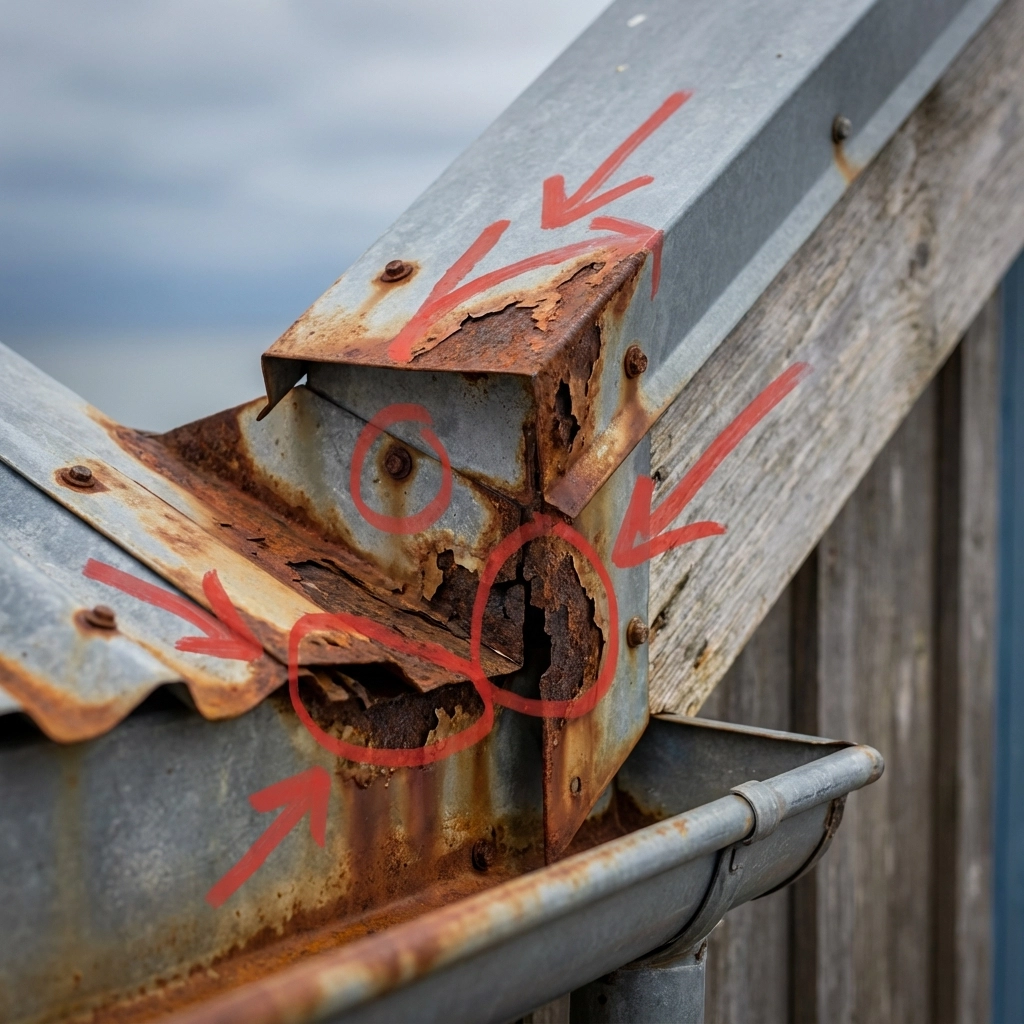
Installation Techniques That Actually Work The way you install a roof in a coastal environment is different. Fastener patterns need to be tighter. Flashing details need extra sealing. Ventilation systems need to account for moisture-laden air that can drive rain horizontally.
I've seen beautiful-looking roofs installed by out-of-town crews that failed within five years because they used installation methods that work great in other climates but can't handle our conditions.
The Material Selection Game-Changer
When an out-of-town contractor gives you a quote, they might recommend materials based on what works in their home area or what's most profitable for them. Local roofers make recommendations based on what actually survives here.
Shingles: Standard asphalt shingles can work, but we typically recommend impact-resistant options with enhanced granules that resist algae growth. The upgrade cost is usually offset by insurance discounts and longer life.
Metal Roofing: In many areas, metal is a premium upgrade. Here, it's often the smart financial choice for properties within a few miles of water. Modern coatings make metal roofs incredibly durable in salt air, and they handle our wind loads better than any other material.
Flashing and Fasteners: This is where corners get cut by inexperienced contractors. Marine-grade materials cost more upfront but prevent the expensive failures we see with standard materials.
Red Flags: Spotting Contractors Who Don't Get Our Area
They Don't Ask About Your Distance from Water A contractor who doesn't immediately ask how far you are from the bay or ocean doesn't understand coastal roofing. Distance from water dramatically affects material selection and installation requirements.
They Give You a "Standard" Package There's nothing standard about coastal roofing. If a contractor gives you the same proposal they'd give someone in western Maryland, run.
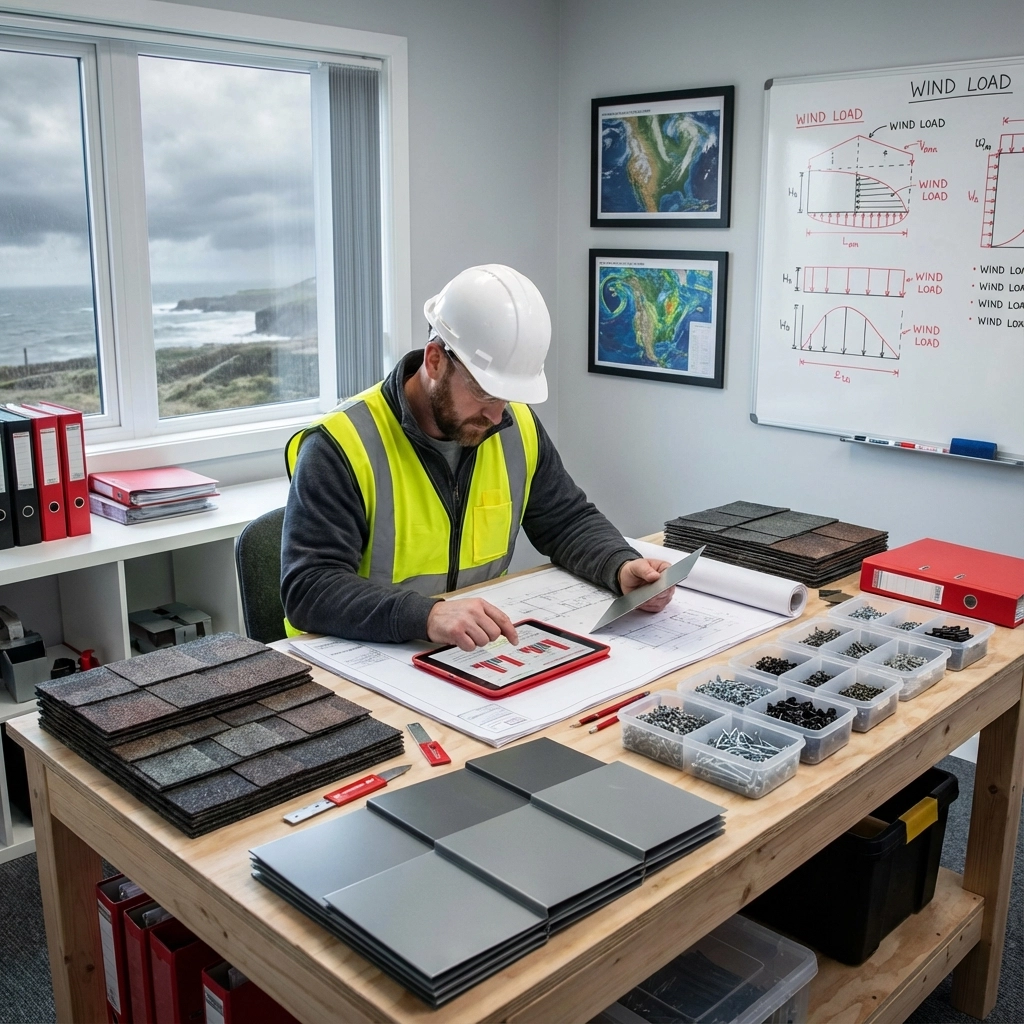
They Can't Explain Local Code Requirements Ask them about wind load requirements for your specific location. Ask about local permitting processes. If they seem uncertain or give vague answers, they're probably not familiar with our area.
They Don't Warranty Their Work for Coastal Conditions Some contractors exclude "coastal conditions" from their warranties. A local contractor who understands our environment should stand behind their work specifically for the challenges we face here.
Finding the Right Local Expertise
Look for Decades of Local Experience Don't just ask how long they've been in business – ask how long they've been working specifically in Delmarva. The Peninsula presents challenges that take years to fully understand.
Ask for Local References Get references from customers within 10 miles of your home who've had their roofs for at least five years. This tells you how the contractor's work holds up in our specific environment.
Check Their Material Relationships Local contractors develop relationships with suppliers who stock coastal-appropriate materials. If a contractor can't immediately tell you about marine-grade options or algae-resistant products, they might not be thinking about our local challenges.
Verify Insurance and Licensing for All Three States Since we're right at the intersection of Maryland, Delaware, and Virginia, make sure your contractor is properly licensed and insured in all relevant states. This also indicates they understand the different requirements across our region.
Why Peninsula Roofing Gets Delmarva
We've been solving roofing challenges specifically in Salisbury and throughout Delmarva since 1947. That's not just decades of general roofing experience – that's decades of figuring out what works and what doesn't in our exact environment.
We've seen how roofs perform through countless nor'easters, hurricanes, heat waves, and everything else our coastal climate can throw at them. We've learned which materials hold up, which installation techniques prevent failures, and how to design roofing systems that don't just survive but thrive in our challenging environment.
Every recommendation we make is based on real-world performance data from thousands of roofs across the Peninsula. When we tell you a particular material or technique is right for your home, it's because we've seen it work for your neighbors year after year.
The Bottom Line
Your roof is your home's first line of defense against some pretty intense environmental challenges. The ocean air that makes living here so pleasant is also incredibly hard on building materials. The storms that bring exciting weather also bring real risks to your property.
You wouldn't hire a general practitioner to perform heart surgery, and you shouldn't hire a general roofer to handle coastal roofing challenges. The expertise gap between local and out-of-town contractors isn't just about experience – it's about understanding the specific, unique ways that our environment affects roofing materials and installation.
When you're ready to protect your investment with a roof that's designed specifically for Delmarva's challenges, contact our team. We'd be happy to share what we've learned over nearly eight decades of keeping Peninsula homes dry and secure.
Comments