Coastal vs Inland Roofing in Delmarva: Which Problems Are You Actually Facing?
- sean fahey
- Dec 5, 2025
- 5 min read

Living in Delmarva means your roof faces a unique set of challenges: but which ones depend entirely on whether you're catching ocean breezes or dealing with inland weather patterns. As experienced roofers in Salisbury MD, we've seen how just a few miles can completely change what your roof battles every single day.
The difference between coastal and inland roofing problems isn't just academic: it's the difference between a roof that lasts 20+ years and one that starts failing at year 12. Let's break down what your specific location means for your roof's survival.
The Coastal Battle: Salt, Wind, and Relentless Moisture
If you live within 10 miles of the Chesapeake Bay or Atlantic Ocean, your roof is fighting a completely different war than your inland neighbors.
Salt Air is Your Roof's Silent Killer
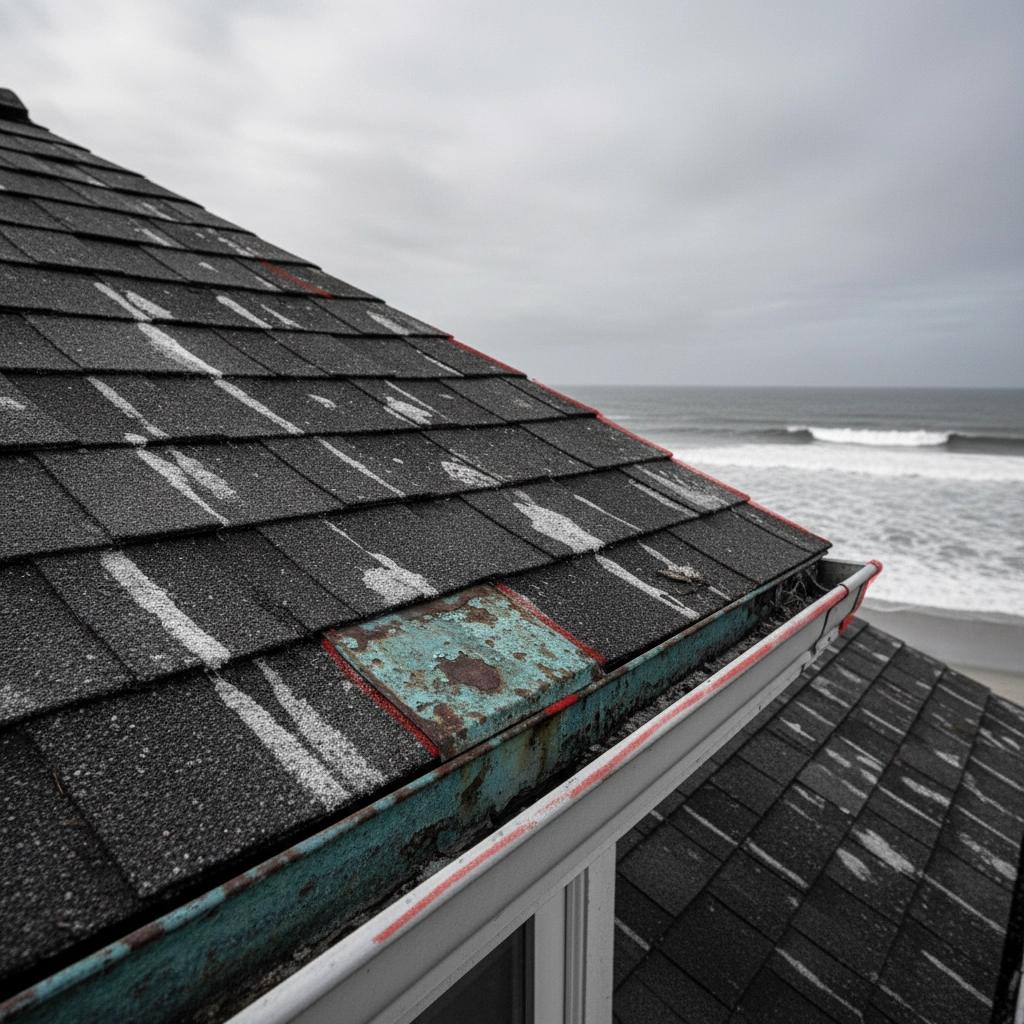
That fresh ocean breeze? It's loaded with salt particles that don't just sit on your roof: they actively attack it. Salt air corrodes metal fasteners, flashing, and gutters faster than most homeowners realize. We've pulled out metal components from coastal homes that look like they've been underwater for months, when they're actually just five years old.
The real kicker? Most roof failures near the coast aren't from worn shingles: they're from corroded metal components letting water sneak in through the back door.
Moisture That Never Quits
Coastal properties deal with higher humidity, more frequent driving rain, and temperature swings that create perfect conditions for problems inland roofs rarely see:
Algae and moss growth that eats away at shingle granules
Trapped moisture under shingles that weakens the underlayment
Faster weathering from constant wet-dry cycles
Wind-driven rain that finds every tiny gap in your roof system
Hurricane and Storm Surge Reality
When storms roll up the coast, they bring sustained winds that test every fastener and seal on your roof. But it's not just the big hurricanes: it's the nor'easters and regular coastal storms that deliver steady 50-60 mph winds with driving rain that really wear down coastal roofs over time.
Inland Challenges: Heat, Ice, and Impact Damage
Move 20 miles inland from Salisbury, and your roof faces completely different enemies.
Summer Heat That Cooks Your Shingles
Inland areas get hotter than the coast during summer months. Without ocean breezes to moderate temperatures, your roof bakes under intense UV radiation that:
Causes asphalt shingles to curl and crack prematurely
Breaks down roofing materials faster
Creates thermal expansion and contraction stress
Overworks your cooling system if ventilation isn't properly designed
Winter Freeze-Thaw Cycles
While coastal areas benefit from ocean temperature moderation, inland properties experience more dramatic freeze-thaw cycles. Water gets into small cracks and gaps, freezes, expands, and creates bigger problems. This cycle repeats dozens of times each winter, gradually working apart seals and creating leak points.
The Hail Threat
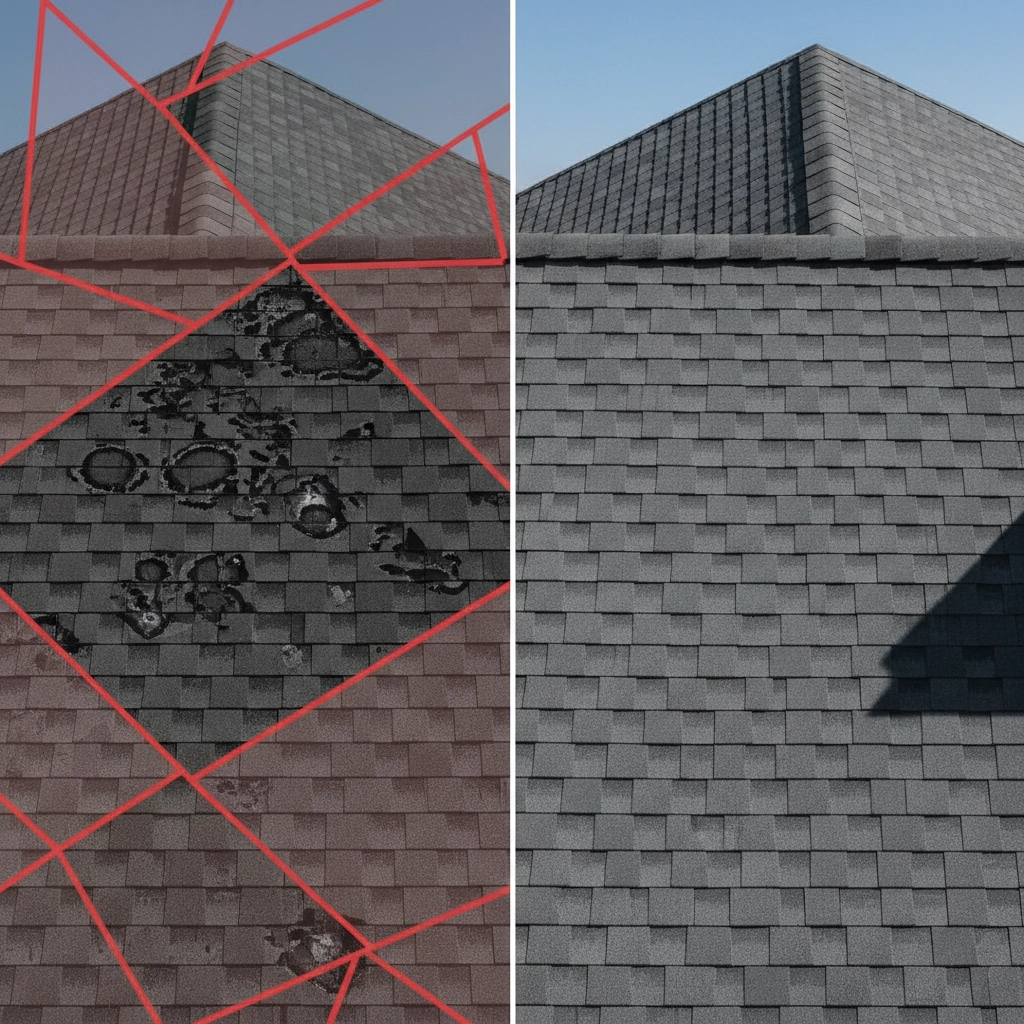
Here's something that surprises many homeowners: inland areas often face higher hail risk than coastal zones. Thunderstorms develop differently inland, and when they do produce hail, it can be devastating to roofs that aren't impact-resistant.
Hail damage isn't always obvious immediately. Bruised shingles and micro-cracks can take months to show up as leaks, often after warranty periods have passed.
Tree Debris and Shade Issues
Inland properties typically have more mature trees, which means:
More debris in gutters and on roofs
Shaded areas that hold moisture and promote moss growth
Risk of branch damage during storms
Need for better ventilation to prevent trapped moisture
Why One-Size-Fits-All Roofing Fails in Delmarva
The biggest mistake we see homeowners make? Choosing roofing materials and installation methods without considering their specific microclimate. A roof system that works perfectly 15 miles inland can fail miserably at the coast: and vice versa.
Coastal Properties Need:
Marine-grade fasteners and flashing materials
Algae-resistant shingles with high wind ratings (110+ mph minimum)
Enhanced moisture barriers and ventilation systems
Corrosion-resistant gutters and metal components
Storm-ready installation patterns designed for wind uplift
Inland Properties Need:
UV-resistant materials that handle temperature extremes
Impact-resistant shingles for hail protection
Superior ventilation systems to manage heat buildup
Ice dam prevention strategies
Debris management solutions
How Peninsula Roofing Addresses Your Specific Location
As roofing companies in Salisbury MD go, we've learned that successful roofing isn't about using the same system everywhere: it's about matching the right materials and methods to your specific challenges.
For our coastal clients, we prioritize corrosion-resistant components and wind-rated systems. We use marine-grade sealants, upgrade to stainless steel or hot-dipped galvanized fasteners, and install synthetic underlayments that handle moisture better than traditional felt.
For inland properties, we focus on UV protection, impact resistance, and thermal management. This might mean architectural shingles with enhanced granules, impact-resistant materials that qualify for insurance discounts, or specialized ventilation systems that keep your attic cool and dry.
The Real Cost of Getting It Wrong
We've seen too many homeowners choose generic roofing solutions that don't match their location's specific challenges. The results are predictable and expensive:
Coastal roofs failing at 12-15 years instead of 20+ due to corrosion
Inland roofs suffering premature aging from UV damage
Insurance claims denied because materials weren't appropriate for local conditions
Multiple repair bills that add up to more than proper installation would have cost
Making the Smart Choice for Your Delmarva Property
The good news? When you match your roof system to your specific environment, you're not just avoiding problems: you're often qualifying for insurance discounts and manufacturer warranties that generic systems don't offer.
If you're coastal: Invest in corrosion protection and wind-rated systems. The upfront cost pays for itself in longevity and lower insurance premiums.
If you're inland: Focus on UV protection and impact resistance. The right materials can handle everything from summer heat waves to winter ice storms.
Don't guess about what your roof needs based on what worked for a neighbor in a different microclimate. As experienced Salisbury roofers, we assess your specific location, exposure, and local weather patterns to recommend the right system for your property.
Ready to Get It Right?
Your roof's performance depends on understanding the unique challenges your specific location faces. Whether you're battling salt air near the coast or temperature extremes inland, the right materials and installation methods make all the difference.
Want to know exactly what challenges your property faces and how to address them? We offer comprehensive roof assessments that consider your specific microclimate, not just generic regional recommendations.
Contact Peninsula Roofing Company today for a personalized evaluation of your roofing needs. We've been solving Delmarva roofing challenges since 1947: let us put that experience to work protecting your most important investment.
Visit our services page to learn more about our location-specific roofing solutions, or contact us to schedule your assessment today.
Comments