From Tar to TPO: The History of Commercial Roofing in America
- sean fahey
- Jun 30
- 5 min read

When you look across the skyline of Salisbury, MD, you see more than just buildings; you see a timeline of American engineering. Commercial roofing isn’t just about keeping the rain out: it’s a history of innovation, chemistry, and reacting to the changing needs of the modern world. At Peninsula Roofing Company, Inc., we’ve been a part of this story for over 75 years, but the roots of our craft stretch back much further than 1947.
To understand why your building has a TPO or EPDM roof today, we have to look back at how we got here. From ancient pitch to the high-tech membranes of the 21st century, here is the history of commercial roofing in America.
Ancient Roots: The Dawn of Waterproofing
Long before the first Salisbury roofers hammered a single nail, ancient civilizations were already grappling with the challenges of low-slope roofing. In ancient Mesopotamia and Egypt, builders used natural resources to protect their structures. Pitch, a sticky, resinous substance derived from petroleum or plants, was the go-to sealant. They also utilized clay and beeswax to create moisture barriers.
While these materials were rudimentary, they established the fundamental principle that still guides us today: layering waterproof materials to create a monolithic barrier.
The 1800s: The Birth of Built-Up Roofing (BUR)
The real revolution in American commercial roofing began in 1847. Two brothers, Samuel and Cyrus Warren, introduced a system that would dominate the industry for over a century: Built-Up Roofing (BUR).
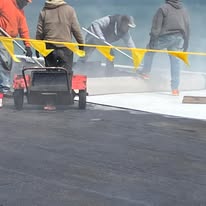
The Warren brothers discovered that by saturating rag felt in coal tar and layering it with more tar and gravel, they could create a remarkably durable, fire-resistant surface for flat roofs. This "tar-and-gravel" method allowed for larger, flatter building footprints, which paved the way for the massive factories and warehouses of the Industrial Revolution.
1871: The Fire That Changed the Codes
In October 1871, the Great Chicago Fire leveled roughly 3.3 square miles of the city. While the tragedy was immense, it served as a catalyst for building safety. In the aftermath, fire-resistant roofing codes were established across the country.
This spurred even more interest in BUR systems. Unlike the wood-shingle roofs that had contributed to the fire’s rapid spread, gravel-surfaced coal tar roofs were naturally fire-retardant. This focus on safety helped solidify BUR as the standard for any serious commercial property.
Early 1900s: Industrialization and "Ready Roofing"
As the 20th century dawned, the roofing industry began to move toward factory-controlled quality. "Ready roofing," or roll roofing, emerged, allowing for faster installation. By the 1920s and 30s, asphalt began to replace coal tar as the primary bitumen in BUR systems because it was more stable and easier to work with at a wider range of temperatures.
During this era, asbestos felts were also introduced for their incredible fire resistance and durability. While these were later phased out due to health concerns, they were considered the gold standard of the time.
1947: Peninsula Roofing Joins the Delmarva Story
While the world was recovering from World War II, a local legacy was being born right here. In 1947, Peninsula Roofing Company, Inc. opened its doors. When we started, BUR was the undisputed king of the commercial world. Our early crews spent their days with hot kettles, mopping down layers of felt and bitumen for businesses across the Delmarva Peninsula.
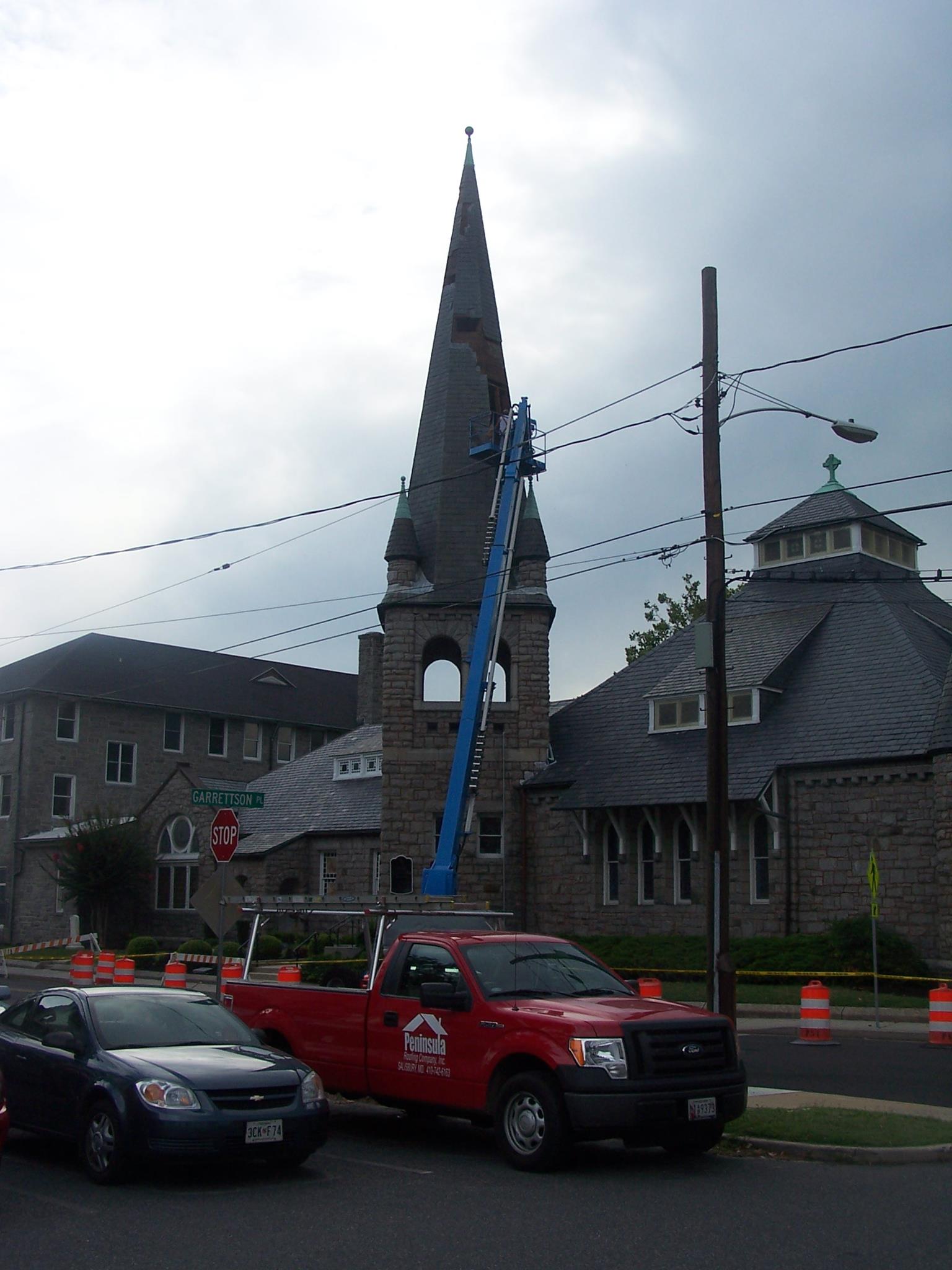
Being one of the long-standing roofing companies in Salisbury, MD, means we’ve seen these systems age. We’ve repaired the coal tar roofs of the 40s and the asphalt systems of the 50s. That institutional knowledge: knowing exactly how a 50-year-old roof was built: is what makes us a unique roofer in Salisbury.
The 1960s: The Single-Ply Revolution
The 1960s brought a seismic shift to the industry. Chemistry caught up with construction, and the "Single-Ply Revolution" began.
EPDM (Ethylene Propylene Diene Monomer): Introduced by Firestone in the early 60s, this "rubber roofing" offered a flexible, durable alternative to the heavy, multi-layered BUR.
PVC (Polyvinyl Chloride): Across the ocean in Germany, Trocal created the first PVC roofing membrane in 1966. It was weldable, lightweight, and highly resistant to chemicals.
These new materials allowed for faster installations and significantly reduced the weight load on commercial structures.
1873: The Oil Embargo and the Push for Innovation
The 1973 Oil Embargo changed everything. Because asphalt is a petroleum byproduct, prices skyrocketed and supply became unpredictable. This shortage acted as an accelerator for the adoption of single-ply membranes. Building owners who were once hesitant to move away from traditional BUR suddenly saw the value in EPDM and PVC, which required less petroleum-based material per square foot.
The 1980s: Modified Bitumen and SPRI
In the 1980s, the industry looked for a middle ground. Modified Bitumen (Mod Bit) emerged, blending the multi-layer redundancy of BUR with the modern polymer technology of single-ply membranes. By adding plastic (APP) or rubber (SBS) modifiers to the asphalt, manufacturers created a sheet that was more flexible and durable than traditional BUR.
Recognizing the need for industry standards, the Single Ply Roofing Industry (SPRI) was formed in 1980, ensuring that as roofing companies in Salisbury, MD adopted these new technologies, they had rigorous guidelines to follow.
The 1990s: The Rise of TPO
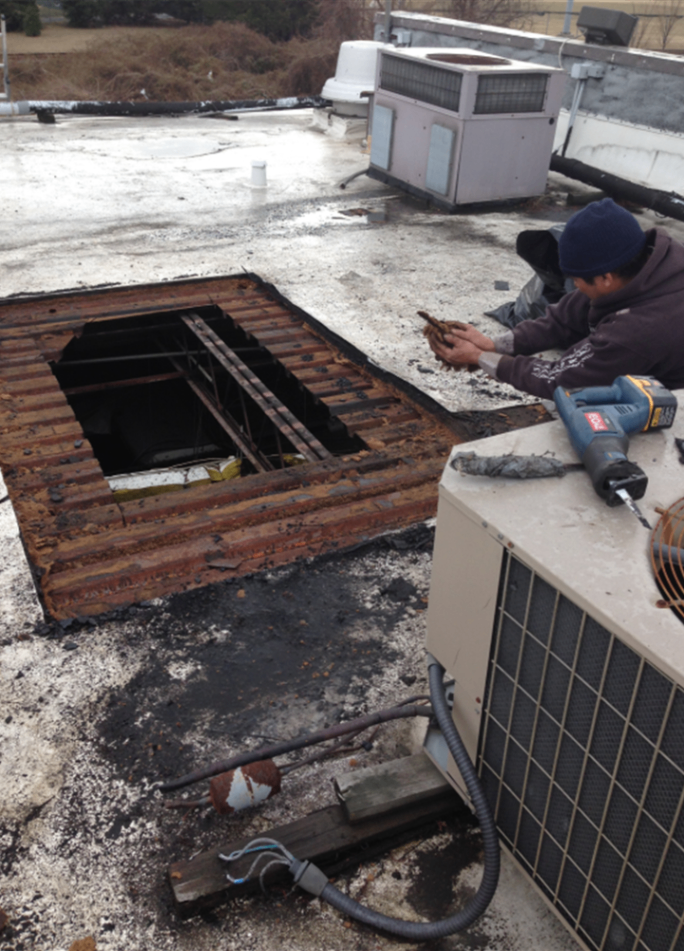
If you walk onto a commercial job site today, you’re most likely to see a white membrane being rolled out. This is TPO (Thermoplastic Polyolefin). Entering the US market in the early 1990s, TPO combined the best attributes of EPDM and PVC. It was heat-weldable like PVC but offered the weatherability of EPDM at a more competitive price point.
Today, TPO is the dominant commercial roofing membrane in North America. Its white, reflective surface became a major selling point as building owners began to focus on energy efficiency.
Today: The Era of Sustainability and Cool Roofs
We’ve come a long way from the pitch-and-clay roofs of Mesopotamia. Modern commercial roofing in Salisbury, MD, is focused on sustainability. We now work with:
Cool Roofs: Highly reflective membranes that lower building cooling costs.
Green Roofs: Vegetated systems that manage stormwater and reduce urban heat islands.
Solar-Integrated Systems: Roofs designed to house and power the building's energy needs.
At Peninsula Roofing, we’ve adapted to every one of these innovations. Whether it’s a traditional BUR system, a durable EPDM rubber roof, or a high-efficiency TPO membrane, our team brings 75+ years of experience to every square foot.
Why Experience Matters for Your Commercial Roof
History teaches us that no roofing system lasts forever, and every innovation has its own set of challenges. Choosing the right salisbury roofing contractor means choosing a partner who understands where these systems came from and where they are going.
As one of the most trusted roofers in Salisbury, MD, we don't just push the newest product. We look at your building’s specific needs, your budget, and the local climate of the Delmarva Peninsula to find the solution that makes sense for you. From historic repairs to modern TPO installations, we’ve been keeping our neighbors dry since 1947.
Is your commercial roof showing its age? Don't wait for a leak to tell you there’s a problem.
Contact Peninsula Roofing Company, Inc. today for a free commercial roof inspection. Let our 75+ years of expertise protect your investment for the next generation.
Comments