How Low Can You Go? The Truth About Roof Slopes in Salisbury MD
- sean fahey
- Feb 5
- 5 min read

If you've ever looked at a flat-ish roof and wondered, "Can I just slap some shingles on that thing?", the short answer is probably not. And if you're building a shed, garage, or addition with a low pitch, you need to know where the line is before you end up with a leak factory.
At Peninsula Roofing, we've been doing this since 1947 across Delmarva, and one of the most common questions we get is: "What's the minimum slope I can get away with?" The real answer? It depends on what you're putting up there. Let's break it down.
Understanding Roof Slope (AKA Pitch)
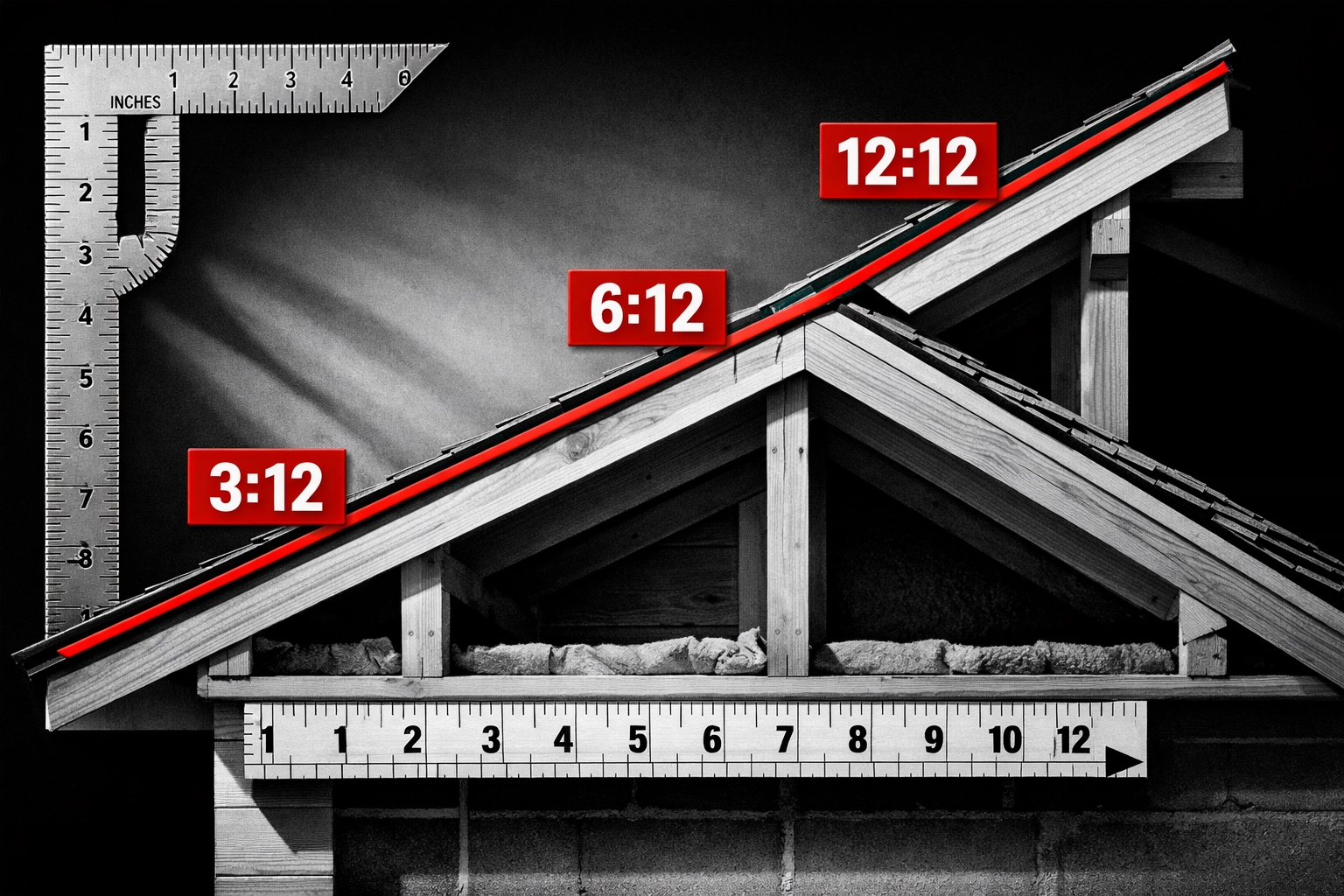
First, let's get everyone on the same page. When roofers talk about slope or pitch, we're talking about rise over run, specifically, how many inches a roof rises vertically for every 12 inches it runs horizontally.
So a 3:12 pitch means the roof goes up 3 inches for every foot across. A 12:12 pitch is basically a 45-degree angle (pretty steep). And a 1:12 pitch? That's nearly flat, which is where things get tricky.
The lower the slope, the slower water drains off. And slow-draining water + wind-driven rain + Delmarva nor'easters = problems.
Shingles: Our 3:12 Minimum Standard
Here's where we're going to be straight with you. Maryland building code technically allows asphalt shingles down to 2:12, but just because code allows it doesn't mean it's a good idea.
At Peninsula Roofing, our professional standard is 3:12 minimum for shingles. Here's why:
Water backup happens. Between 2:12 and 3:12, you're in that gray zone where water doesn't shed fast enough. Wind can blow rain sideways under the shingle tabs, and once water gets under there, it's hunting for a way in.
Ice dams are real. Even in Maryland, we get freezing temps. On a low-slope roof, melting snow refreezes at the eaves and backs up under the shingles. Not fun.
Longevity takes a hit. Shingles aren't designed to sit in standing water. The lower the slope, the more likely you are to see premature granule loss, algae growth, and seal failure.
If you're dead-set on doing shingles below 3:12 (say, on a porch or dormer), you'll need double underlayment or a fully adhered ice-and-water shield across the entire roof deck. And even then, we're going to recommend you consider other options.
Exposed Fastener Metal: The Low-Slope Wild Card
Now, metal roofing is a different animal. Some types of metal panels can handle lower slopes, but there's a big catch.
Exposed fastener panels (the ones with the visible screws) can technically go as low as 1:12 to 2:12, but only if they're installed with butyl tape at every seam and lap.
Here's the deal: metal panels overlap at the edges, and water loves to wick or blow up into those seams, especially during a driving rainstorm. Without butyl tape acting as a gasket, you're basically creating a highway for water to sneak under the panel and onto your roof deck.
We've seen way too many "bargain" metal roof jobs where the installer skipped the butyl tape to save a few bucks. Six months later, the homeowner is calling because they've got rust stains and drips in their garage. Don't be that person.
When to Use Standing Seam Instead
If your roof is below 2:12, you really should be looking at mechanical lock standing seam instead of exposed fastener. Here's why it's superior on low slopes:
Crimped seams: The panels are mechanically folded together, like a tin can lid, creating a watertight seal.
Hidden fasteners: No screw holes in the "flat" of the panel means no penetration points for water.
Factory sealant: Most standing seam panels come with a bead of butyl already in the seam, so when it's crimped, you're basically creating a gasket.
Taller ribs: Standing seam panels usually have 2-inch or 3-inch ribs, which keeps the seam well above any ponding water.
What About Really Flat Roofs?
Okay, so what if you've got something that's basically flat, like a garage, commercial building, or porch? We're talking 1:12 or less. At that point, you're out of the shingle and screw-down metal game entirely.
Your options are:
1. Mechanical Lock Standing Seam Metal
As we mentioned, this can go as low as 0.25:12 (basically flat) if installed correctly. It's pricey, but it's bombproof.
2. Single-Ply Membranes (TPO, PVC, EPDM)
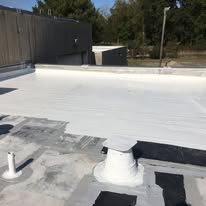
This is the most common solution for flat or near-flat commercial roofs. These membranes are either heat-welded (TPO/PVC) or glued down (EPDM), and they're designed to handle standing water.
At Peninsula Roofing, we install a ton of TPO roofs on commercial buildings across Salisbury and the Eastern Shore. They're durable, reflective (which saves on cooling costs), and when installed right, they can last 20+ years.
3. Modified Bitumen
This is the old-school torch-down or peel-and-stick roofing. It works, but TPO and PVC have mostly replaced it because they're easier to install and lighter.
The key with any flat roof system is proper drainage. Even a 1/4:12 slope makes a huge difference in how well water moves off the roof. Ponding water, where water sits for more than 48 hours, will eventually find a weak spot and leak through, no matter what material you're using.
Why Delmarva Weather Makes Slope Even More Critical
Let's talk about where we live. Salisbury and the Eastern Shore get hammered by:
Heavy downpours (we're talking 2+ inches in an hour during summer storms)
Nor'easters that blow sideways rain for 12 hours straight
Hurricane remnants every few years
Freeze-thaw cycles in winter that create ice dams
All of these conditions are brutal on low-slope roofs. Water doesn't just fall on your roof and politely roll off, it gets driven upward by wind, it backs up behind ice, and it sits in puddles waiting for a weak seam.
If you're working with a roofing company in Salisbury MD, make sure they understand local weather. A roofer who's used to working in, say, Arizona (where it rains twice a year) is going to make very different recommendations than someone who's been doing this on Delmarva for decades.
The Bottom Line: Match the Material to the Slope
Here's the cheat sheet you can take to your contractor (or use to fact-check theirs):
3:12 or steeper: Shingles, metal shingles, standing seam: pretty much anything works.
2:12 to 3:12: Shingles maybe (with double underlayment), exposed fastener metal only with butyl tape, or standing seam.
1:12 to 2:12: Standing seam metal or single-ply membrane. Skip the shingles.
Below 1:12: Single-ply membrane (TPO, PVC, EPDM) or mechanical lock standing seam only.
And remember: just because code allows it doesn't mean it's smart. We've been fixing "code-compliant" roof failures for 75+ years. The minimum standard is just that: the minimum.
Questions About Your Roof Slope?
If you're planning a new build, addition, or re-roof and you're not sure what'll work for your pitch, give us a call. We'll come out, measure the slope, talk through your options, and give you an honest assessment: not just what code allows, but what'll actually hold up to Delmarva weather.
At Peninsula Roofing Company, we've been the go-to roofer in Salisbury since 1947 because we don't cut corners. Whether it's a steep residential roof or a dead-flat commercial building, we'll spec the right system for the job.
Want to learn more about our services? Check out our services page or read more about our history here.
Now get out there and don't put shingles on a 2:12 roof. You'll thank us later.
Comments