Is Your Salisbury Roof Ready for Snow? 5 Warning Signs You Need a Roofer ASAP
- sean fahey
- Dec 4, 2025
- 5 min read

Winter's coming to Salisbury, and if you're like most homeowners, you're probably thinking about winterizing your car, checking your heating system, and maybe stocking up on rock salt. But here's the thing, your roof is about to take a beating, and it needs some attention too.
Snow, ice, and those lovely freeze-thaw cycles we get here on the Eastern Shore can turn minor roof issues into major headaches (and major expenses). The good news? Most winter roof disasters are totally preventable if you catch the warning signs early.
So grab a cup of coffee and let's talk about the 5 red flags that mean it's time to call in the pros before that first snowfall hits.
Warning Sign #1: Missing, Cracked, or Curling Shingles
This one's pretty obvious when you know what to look for. Take a walk around your house and look up, really look. Are there shingles that look like they're waving goodbye? Maybe some that are cracked, curled up at the edges, or completely MIA?
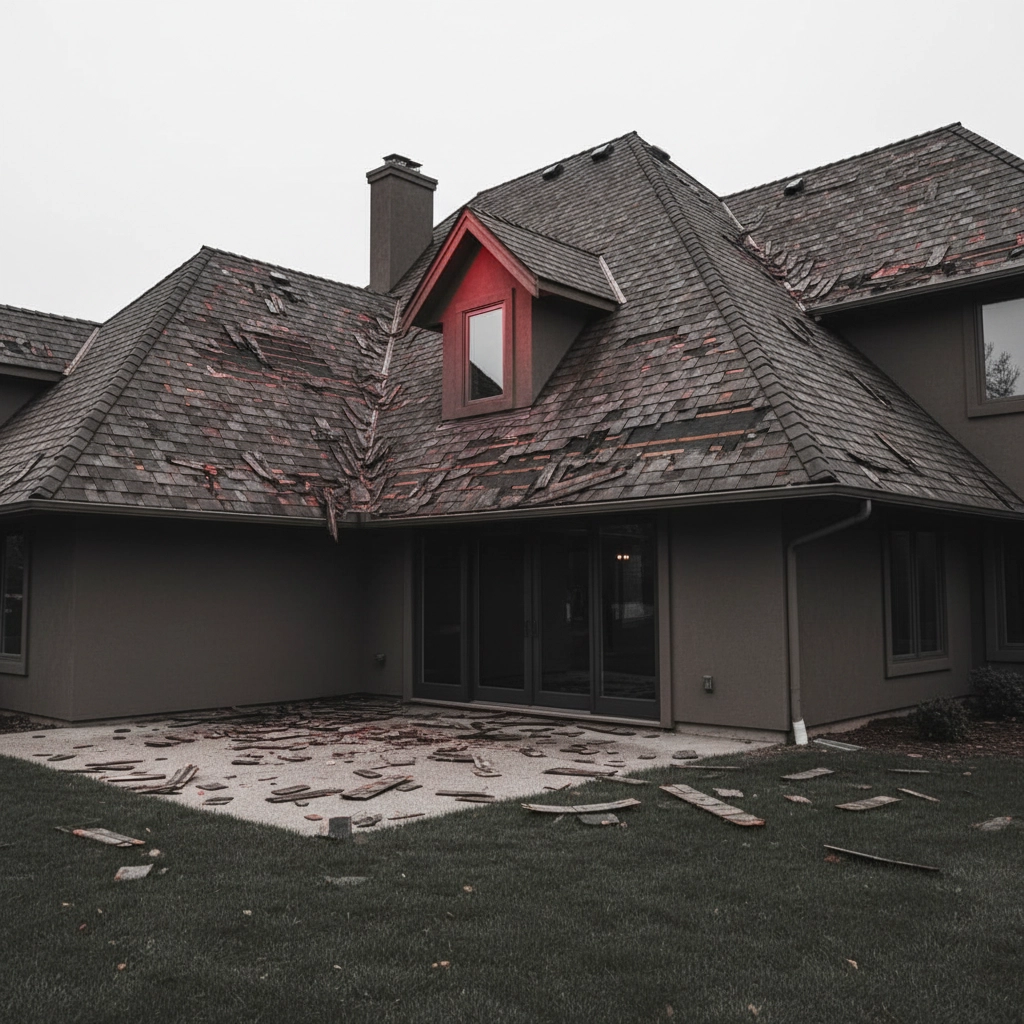
Here's why this matters: every damaged or missing shingle is basically an open invitation for water to get into places it shouldn't be. And when winter hits Salisbury with its freeze-thaw cycles, that water expands and contracts, making small problems much bigger.
If you spot more than a handful of damaged shingles, or if you're finding shingle pieces in your yard after windstorms, it's definitely time to call one of the roofing companies in Salisbury MD for an inspection. Don't wait until spring, winter weather will only make things worse.
Warning Sign #2: Granule Loss That Looks Like Glitter
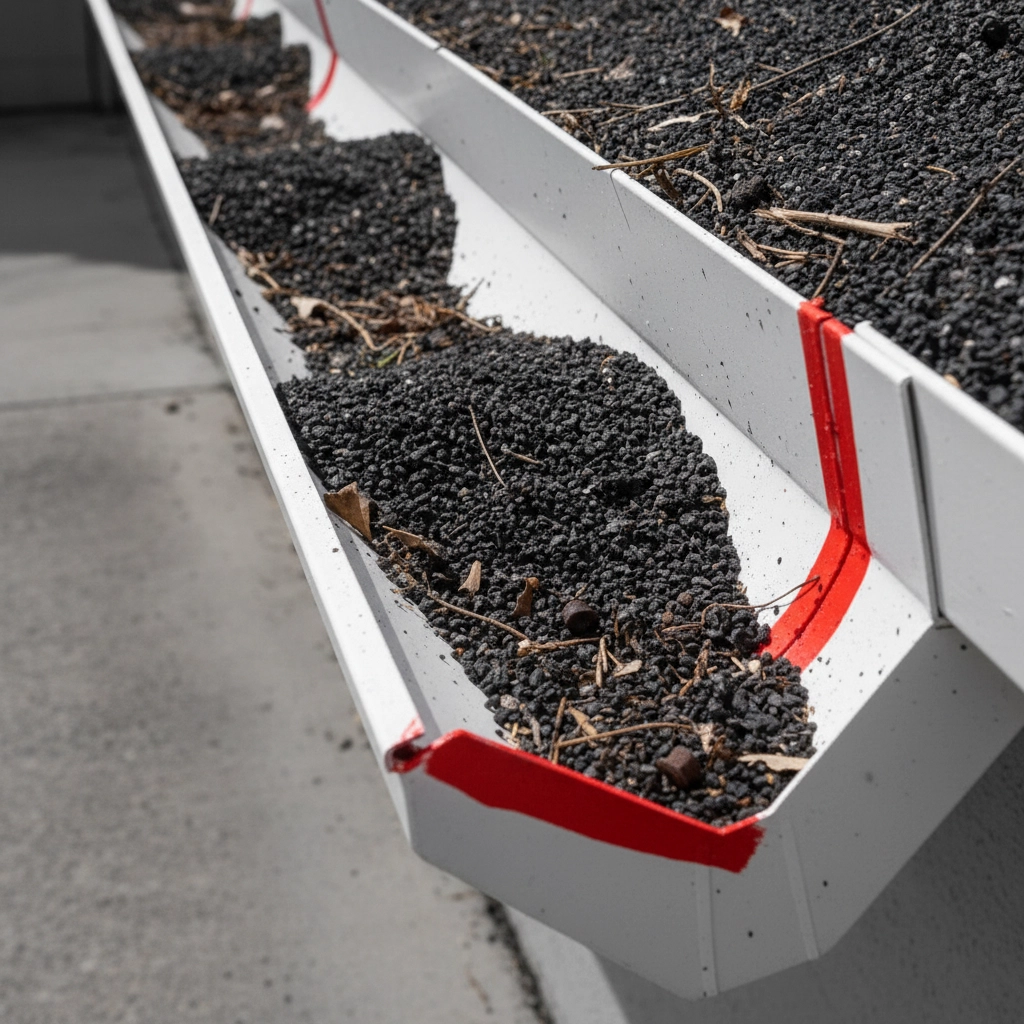
Those little granules on your asphalt shingles aren't just there to look pretty, they're your roof's sunscreen and armor rolled into one. When you start seeing what looks like coarse sand or glitter collecting in your gutters, washing down your downspouts, or scattered around your foundation, that's your shingles telling you they're getting tired.
A little granule loss is normal as your roof ages, but if it looks like someone dumped a bucket of sand in your gutters, that's a problem. Shingles without adequate granules can't protect your home from moisture, and they're more likely to crack or break under snow loads.
This is especially important here in Salisbury because our winters can be unpredictable. One day it's 50 degrees, the next we're getting six inches of snow. Your roof needs to be ready for whatever Mother Nature throws at it.
Warning Sign #3: Water Stains and Mysterious Ceiling Spots
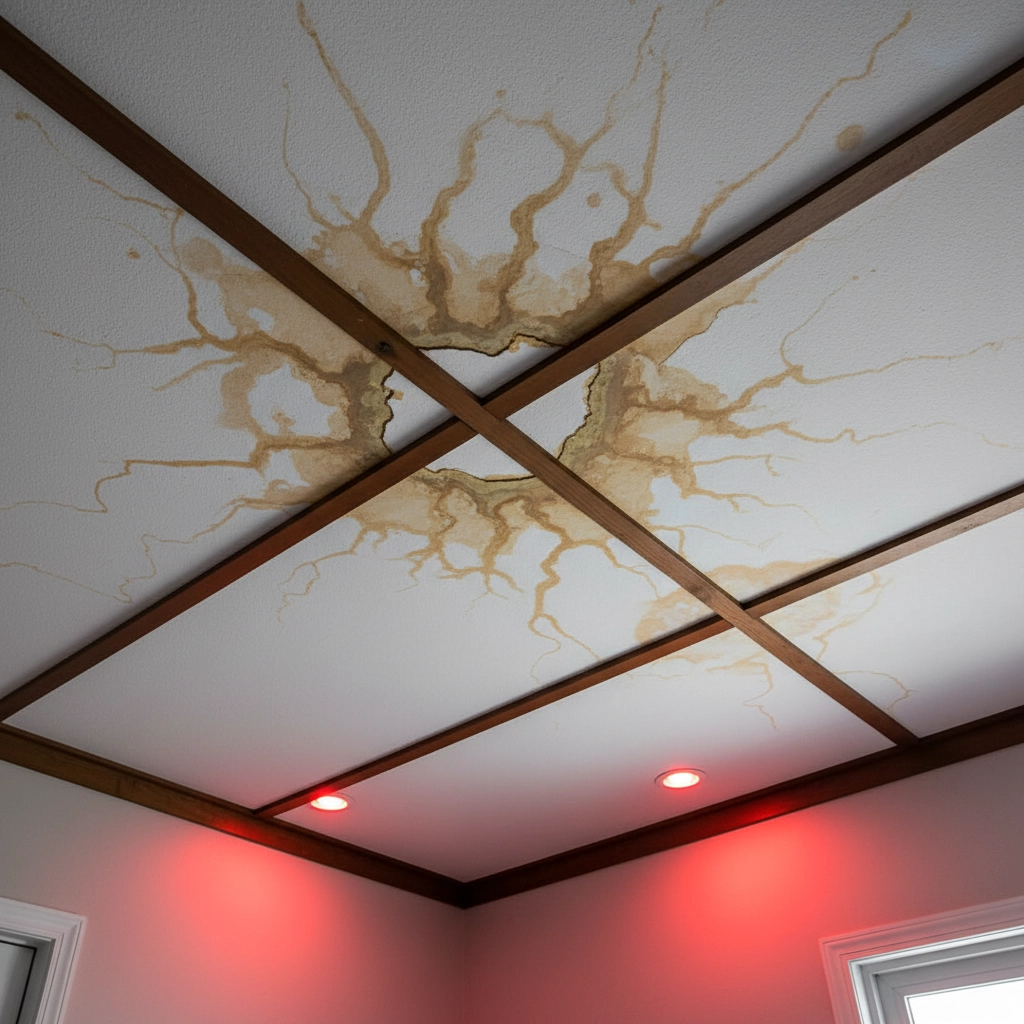
Nobody wants to play "where's that water stain coming from?" but if you've got yellow or brown spots appearing on your ceilings or walls, especially after rainstorms, your roof is trying to tell you something important.
Water stains often show up in attics first, so if you haven't been up there in a while, now's a good time for a quick peek. Look for:
Dark streaks or stains on the underside of roof decking
Wet insulation (which loses its effectiveness when damp)
Musty smells that suggest moisture problems
Any daylight peeking through where it shouldn't be
Even small leaks can turn into big problems once snow starts piling up on your roof. The weight of snow and ice can force water into the tiniest openings, and when that water freezes, it expands and makes those openings bigger. It's like nature's own little wrecking ball.
If you're seeing any signs of water intrusion, don't wait, contact a roofer in Salisbury to track down the source before winter arrives.
Warning Sign #4: Sagging or Drooping Areas
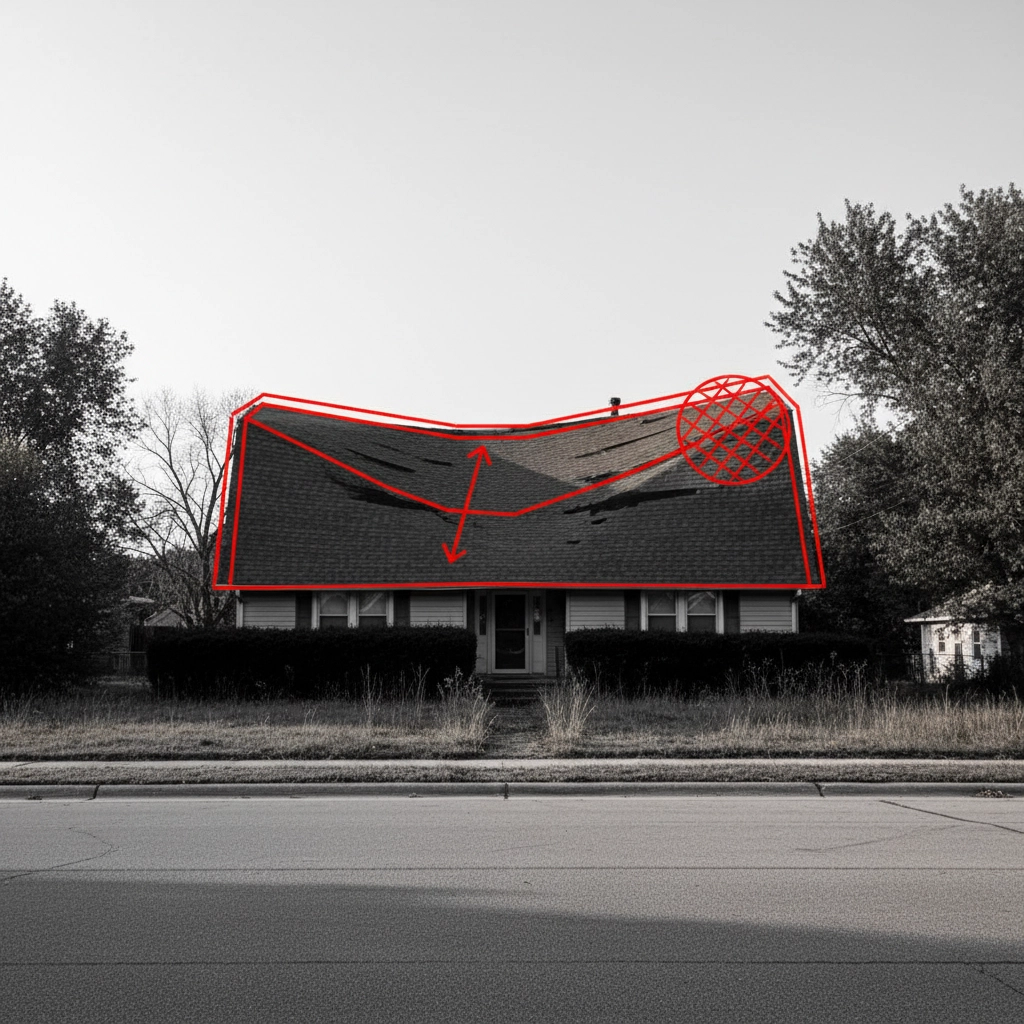
This one's a big deal. If any part of your roof looks like it's sagging, drooping, or just doesn't look quite right when you step back and look at your house, that's your roof telling you it's struggling to handle the load it's carrying.
Sagging can happen for several reasons:
The roof decking underneath your shingles has gotten wet and weakened
The structural supports are compromised
There's been gradual damage from years of weather exposure
Previous snow loads have stressed the structure
Here's the thing about snow, it's heavy. Really heavy. A cubic foot of fresh snow weighs about 6-8 pounds, but wet, packed snow can weigh three times that much. If your roof is already showing signs of stress, adding a snow load could be the straw that breaks the camel's back.
Any sagging is a call-the-pros-immediately situation. This isn't a DIY fix, and it's not something to put off until spring. Salisbury roofers can assess whether you're looking at a repair or if you need more extensive work to keep your family safe.
Warning Sign #5: Gutter Problems and Debris Buildup
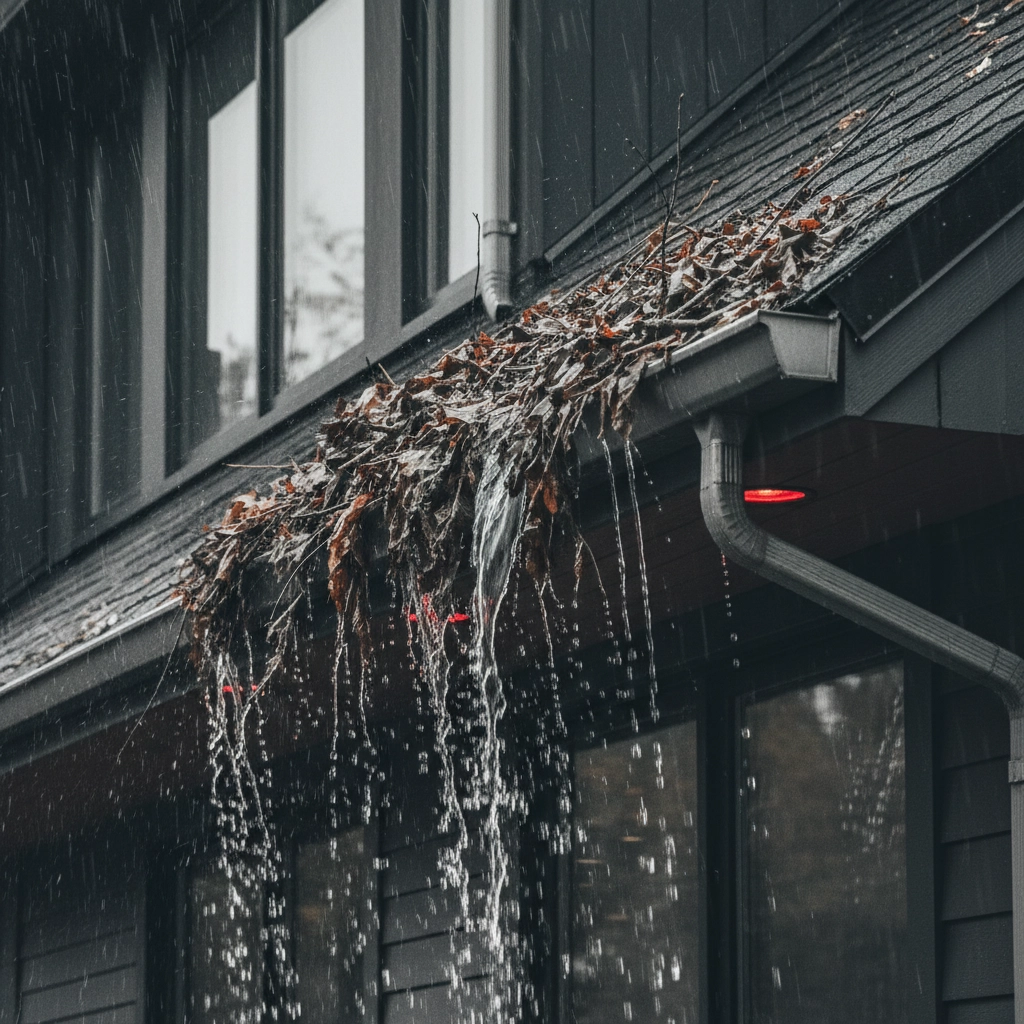
Your gutters are like your roof's best friend, when they're working properly, they channel water away from your house and foundation. But when they're clogged, loose, or damaged, they can actually make roof problems worse.
Walk around your house and check for:
Gutters pulling away from the house
Visible rust, cracks, or holes
Gutters that overflow during rainstorms
Downspouts that dump water right next to your foundation
Piles of leaves, sticks, or other debris
Clogged gutters are especially problematic in winter because they can lead to ice dams, those thick ridges of ice that form at the edge of your roof. Ice dams can force water back up under your shingles and into your house, causing damage to walls, ceilings, and insulation.
Clean gutters also help prevent the freeze-thaw cycle from creating bigger problems. When water can flow freely, it's less likely to sit on your roof and freeze, then thaw, then freeze again, that cycle is murder on roofing materials.
When to Call the Professionals
Here's the thing, roofing isn't really a DIY situation, especially when you're dealing with potential winter damage. Sure, you can clean your gutters and trim back tree branches, but when it comes to assessing structural problems or making repairs, it's time to call in the experts.
Roofing companies in Salisbury MD deal with our specific weather challenges every day. They know how Eastern Shore winters affect different types of roofing materials, and they can spot problems that might not be obvious to homeowners.
Don't wait until you're dealing with an emergency repair in the middle of a snowstorm. Roofers in Salisbury MD are typically booked solid during winter months for emergency calls, so getting your roof checked now means you won't be scrambling later.
The Bottom Line: Better Safe Than Sorry
Look, nobody wants to spend money on roof repairs, but here's the reality: catching problems early almost always costs less than dealing with emergency repairs or extensive water damage. Plus, there's something to be said for peace of mind during those winter storms.
If you've spotted any of these warning signs, or if it's just been a while since you've had your roof professionally inspected, now's the time to act. Most Salisbury roofers offer free inspections, so you've got nothing to lose by getting a professional opinion.
Your roof works hard to protect your family and your home: especially during our unpredictable Eastern Shore winters. A little attention now can save you from major headaches (and expenses) down the road. Don't wait until the first snowflake falls to find out if your roof is ready for whatever winter throws at it.
Remember, when it comes to roofing in Salisbury MD, an ounce of prevention really is worth a pound of cure. Your future self will thank you for taking care of it now, and you'll sleep better knowing your home is ready for whatever winter brings.
Comments