Not Your Grandpa's Shingles: How Roofing Has Changed in 50 Years
- sean fahey
- Feb 3
- 6 min read

If your grandpa installed a roof in the 1970s, he probably slapped down some 3-tab asphalt shingles, grabbed a beer, and called it a day. Those roofs were simple, straightforward, and, if you were lucky, lasted about as long as the warranty promised.
Fast forward to 2026, and the roofing industry looks completely different. At Peninsula Roofing Company, we've been installing roofs on the Delmarva Peninsula since 1947, which means we've watched this industry transform firsthand. And trust me, your grandpa's shingles have nothing on what we're installing today.
Let's talk about how residential roofing has evolved, and why that matters for your home.
Size Matters: The Great Metric Shift
Here's something most homeowners never think about: shingle sizes have actually changed over the past few decades.
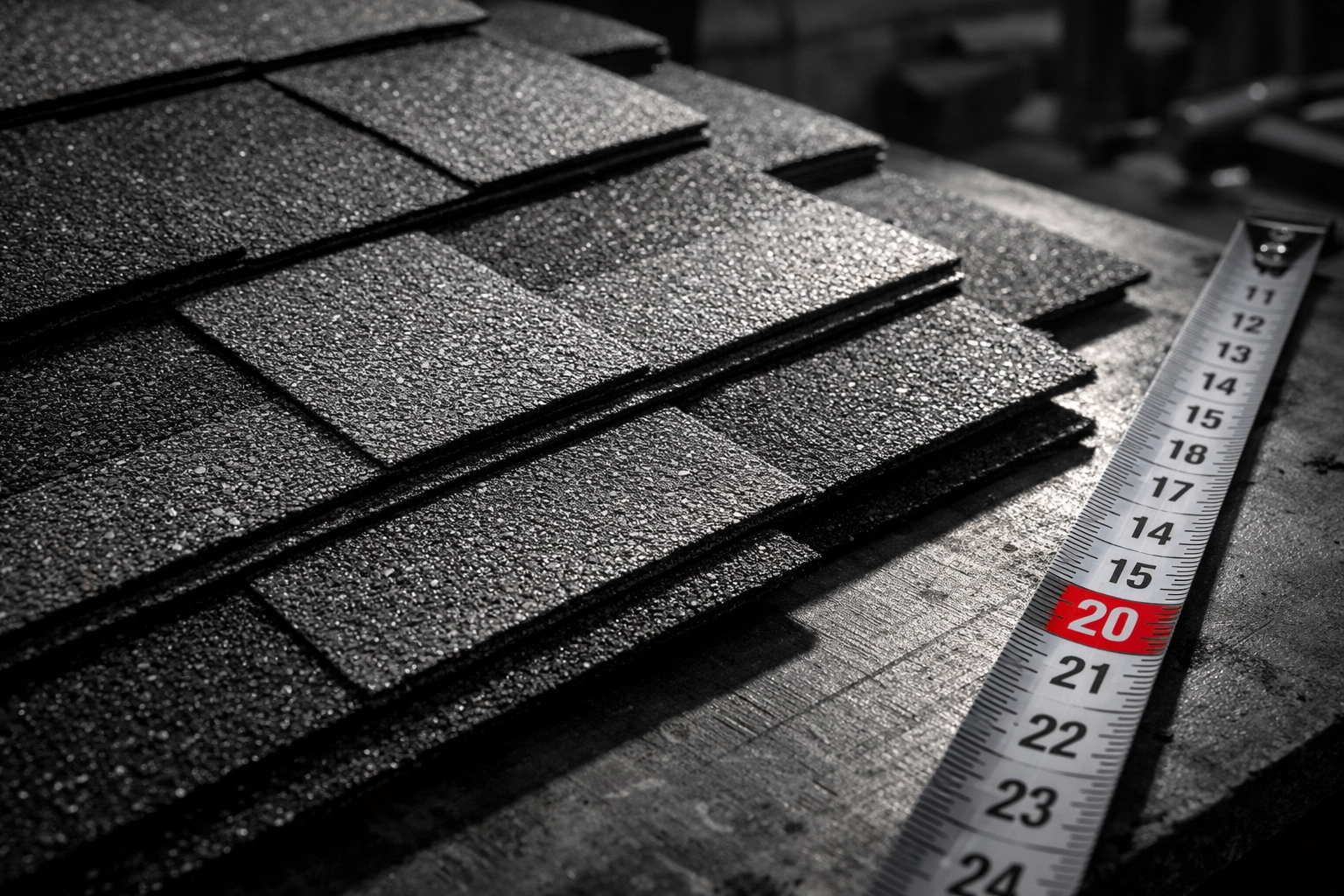
Back in the day, shingles were manufactured in what we called "standard English sizes", typically about 12 inches by 36 inches. The measurements were nice, round numbers that made sense to American contractors who grew up with feet and inches.
Then came the metric conversion wave. As manufacturing became more globalized and materials science advanced, many shingle manufacturers shifted to metric-based sizing. Today's standard architectural shingles are often slightly different dimensions, usually around 13.25 inches by 39.375 inches.
"Wait," you're thinking, "does that really matter?"
Actually, yes. It affects coverage calculations, waste factors, and installation techniques. A square of roofing (the industry term for 100 square feet of coverage) now requires slightly different material calculations than it did 30 years ago. For DIY warriors out there, this is one reason why your old roofing handbook from 1985 might leave you scratching your head.
It also matters a lot if you're thinking about a "recover" (installing new shingles over old ones). Years ago, older 3-tabs tended to "nest" more neatly under the next layer because the sizing and tab patterns lined up better. With modern metric-sized and thicker dimensional shingles, that neat alignment usually doesn’t happen. The new shingles can bridge over high spots, cup along edges, and leave voids underneath where they’re not fully supported. That movement and uneven support can shorten the life of the new roof, and it can make the roof look wavy long before it should.
For professional roofing companies in Salisbury MD like us, we've adapted our estimating systems and installation methods to account for these changes. But it's a reminder that even something as "simple" as a shingle has evolved in ways most people never notice. For that same reason, Peninsula generally doesn’t recommend recovers: we’d rather tear off, fix what’s underneath, and give the new roof a clean, flat deck to perform the way it’s designed to.
The Death of the 3-Tab Shingle
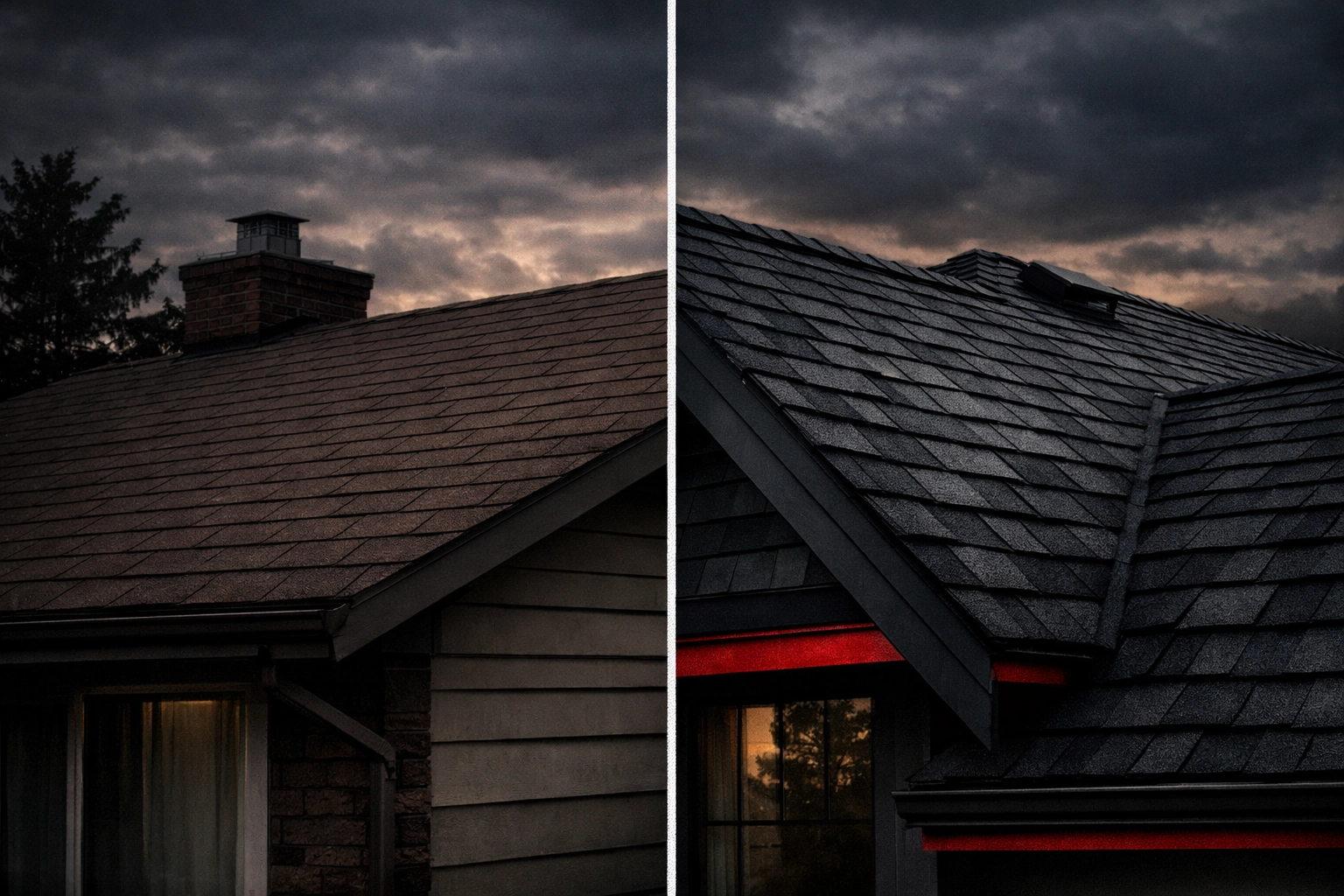
Let's pour one out for the 3-tab asphalt shingle. If you grew up in the 70s, 80s, or even 90s, these flat, uniform shingles covered probably 90% of the houses in your neighborhood.
3-tab shingles got their name from their appearance: three distinct tabs separated by cutouts, giving roofs a very uniform, flat look. They were lightweight, inexpensive, and got the job done. Emphasis on were.
Today? They're practically extinct in residential roofing.
So what happened?
Architectural shingles (also called dimensional or laminate shingles) happened. These thicker, multi-layered shingles hit the market in the 1980s and slowly started eating 3-tab's lunch. By the 2000s, the writing was on the wall: or rather, on the roof.
Here's why architectural shingles won:
Durability: Architectural shingles are typically 50-70% heavier than 3-tabs, with multiple layers of material laminated together. That extra weight and thickness means better wind resistance, better impact resistance, and longer life expectancy. In coastal areas like Delmarva, where we deal with nor'easters and the occasional hurricane scare, that matters.
Aesthetics: Let's be honest: 3-tab shingles look flat and dated. Architectural shingles have depth, dimension, and visual appeal. They mimic the look of traditional wood shake or slate roofs without the maintenance headaches or cost. When you're trying to boost curb appeal, architectural shingles are the clear winner.
Warranty & Performance: This ties into our next section, but manufacturers started backing architectural shingles with better warranties. The writing was on the wall (or roof): better product, better guarantee, slightly higher upfront cost, but much better long-term value.
Today, when someone calls us asking for 3-tab shingles, it's usually because they're trying to match an existing older roof or they're on an extremely tight budget. Even then, we typically recommend spending a little more for architectural. The difference in cost is minimal compared to the difference in performance and lifespan.
The Warranty Myth: What "Lifetime" Really Means
Remember when roofs came with "20-year" or "30-year" warranties? Pepperidge Farm remembers. So does Peninsula Roofing.
Back in the day, shingle warranties were pretty straightforward. A "30-year shingle" meant the manufacturer expected it to last about 30 years under normal conditions. There were plenty of asterisks and fine print, but at least the number meant something tangible.
Then marketing departments discovered the word "Lifetime."
Today, almost every major shingle manufacturer offers "Lifetime Limited Warranties." Sounds amazing, right? Your roof will last forever!
Not quite.
Here's what "Lifetime" actually means in the roofing world:
It's the expected lifetime of the original homeowner: not the shingles themselves. Most manufacturers define this as 50 years or until you sell the house, whichever comes first. Once you sell, the warranty typically converts to a much shorter transferable period: often just 10 or 20 years.
Commercial and multi-unit buildings are different. On many commercial (and some multi-family) projects, those "lifetime" warranties are typically capped: in practice, it's often closer to a 40-year maximum, even when the marketing language still says "Lifetime Limited."
It's "limited" for a reason. The warranty is prorated, meaning coverage decreases over time. In the first 10-15 years, you might get full replacement coverage. After that? You're getting a depreciated value. By year 30, that "lifetime" warranty might cover 20% of replacement cost.
Manufacturing defects only. Lifetime warranties cover defects in the shingle itself: not damage from storms, improper installation, lack of maintenance, or Acts of God. That windstorm that ripped off half your shingles? Not covered under the shingle warranty (that's why you have homeowners insurance).
Installation matters: a lot. Most manufacturer warranties require installation by a certified contractor following exact specifications. DIY installation or choosing the cheapest roofer in Salisbury who cuts corners? You might void that warranty before the first rain.
So when you see "Lifetime Warranty," think of it more like "50-year limited coverage with lots of conditions." It's still better than the old 20-year warranties, but it's not the golden ticket marketing makes it sound like.
At Peninsula Roofing, we always walk clients through what their warranty actually covers. Because surprises are great for birthdays, not roof repairs.
What All This Means for You
So your grandpa's 3-tab shingles are history, sizes have changed, and warranties have more fine print than a credit card agreement. Why should you care?
Better roofs, plain and simple. Today's architectural shingles genuinely perform better than what was available 50 years ago. They resist wind better (many are rated to 130 mph winds), hold up to hail impacts, and maintain their appearance longer. The technology has improved dramatically.
More options. Modern shingles come in dozens of colors, styles, and profiles. Want something that looks like slate? Cedar shake? Terra cotta tile? You can get the look without the cost or maintenance. Your grandpa got "black, brown, or gray." You get a whole rainbow.
Longer lifespan with proper installation. While those "lifetime" warranties have asterisks, the reality is that properly installed architectural shingles in good conditions can genuinely last 30-50 years. That's significantly better than the 15-25 years typical of older 3-tab installations.
Energy efficiency. This wasn't even a consideration 50 years ago, but modern shingles often include reflective granules that reduce heat absorption. In hot summers, that can actually lower your cooling costs.
The Peninsula Roofing Perspective
We've been doing this since 1947: that's over 75 years of watching the roofing industry evolve. We've installed countless 3-tab roofs, transitioned to architectural shingles, adapted to new sizing standards, and learned to navigate the warranty maze.
Here's what we've learned: better materials don't mean much without proper installation. The best shingle on the market will fail if it's installed incorrectly. And the cheapest option today often costs more in the long run.
When homeowners ask us what's really changed in roofing, the honest answer is: almost everything. But the fundamentals remain the same: you need a roof that protects your home, looks good, and lasts as long as possible for your investment.
Whether you're dealing with storm damage, planning a roof replacement, or just trying to squeeze a few more years out of what you've got, understanding how roofing has evolved helps you make better decisions.
Your grandpa's 3-tab shingles served their purpose. But today, you've got options he never dreamed of: and they're legitimately better products. Just make sure you're working with experienced professionals who know how to install them properly and can help you understand what you're actually getting.
Because at the end of the day, a roof is only as good as the team that puts it on.
Want to talk about your specific roofing needs? Reach out to us: we've been solving roofing problems on Delmarva since before your grandpa picked up his first hammer.
Comments