Spotting Trouble Early: The Top 7 Signs of a Roof Leak Salisbury Homeowners Should Never Ignore
- sean fahey
- Dec 19, 2025
- 6 min read

Living in Salisbury, we know how unpredictable Maryland weather can be. One day it's sunny and beautiful, the next we're getting hammered by a nor'easter or summer thunderstorm. All that weather takes a toll on our roofs, and sometimes those first warning signs of trouble are easy to miss, until they become expensive problems.
After decades of fixing roofs across the Delmarva Peninsula, I've seen it all. The good news? Most roof leaks give you plenty of warning before they turn into major headaches. The trick is knowing what to look for and catching them early.
Here are the seven telltale signs that your Salisbury home might be developing a roof leak, plus some practical advice on what to do about each one.
1. Water Stains and Ceiling Discoloration
This is usually the first sign most homeowners notice, and for good reason, it's pretty hard to miss a brown or yellow stain spreading across your ceiling. These stains often start small and grow over time, sometimes forming those telltale rings that look like coffee cup stains.
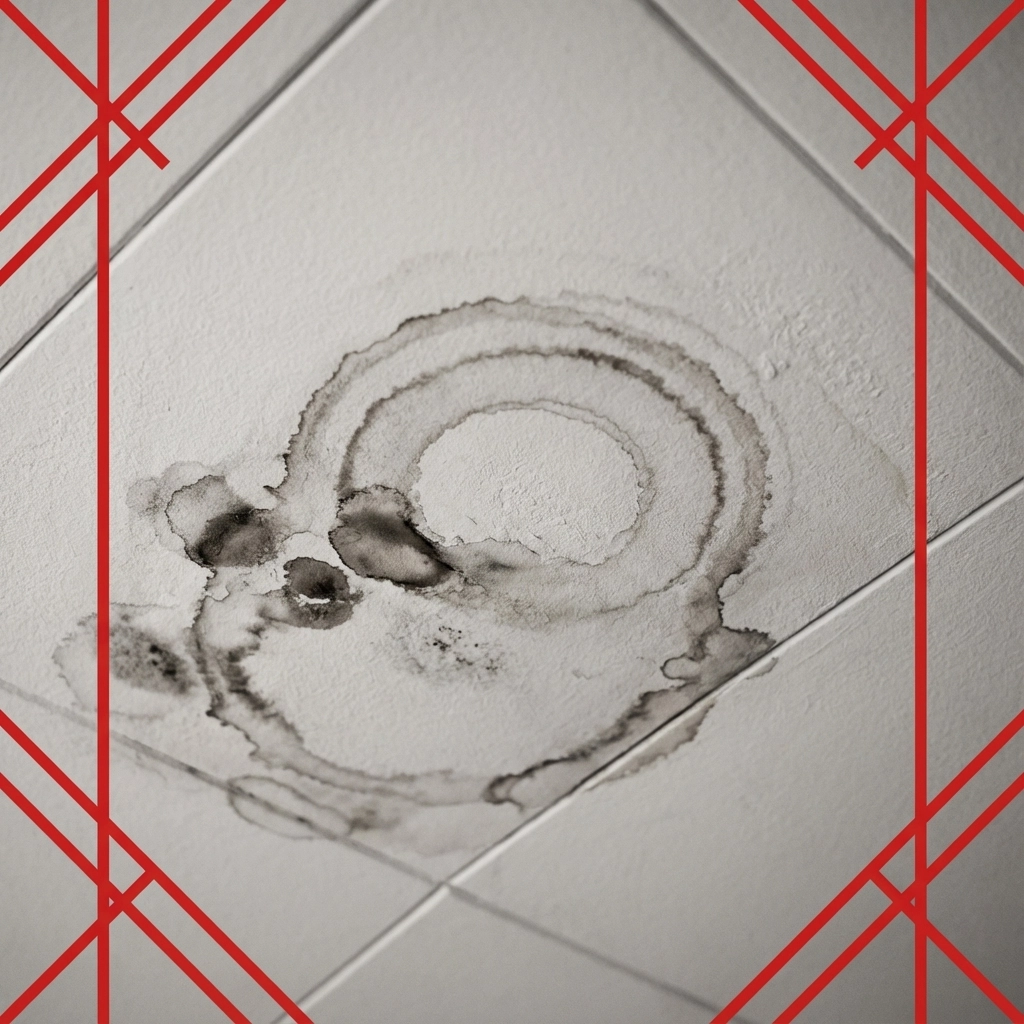
Here's what to watch for:
Light brown or yellow patches on ceilings or walls
Ring-shaped stains that seem to get bigger after storms
Subtle discoloration that's slightly darker than the surrounding area
Fresh stains that appear wet or damp to the touch
The tricky thing about water stains is they don't always show up directly under the leak. Water can travel along rafters, pipes, or other structures before dripping down, so the stain might be several feet away from the actual problem spot.
Pro tip: Take photos of any stains you find and date them. This helps you track whether they're growing and gives your insurance adjuster documentation if you need to file a claim.
2. That Mysterious Dripping Sound
Sometimes you'll hear a roof leak before you see it. During or right after a rainstorm, listen carefully for the sound of water dripping where it shouldn't be. This is especially common in quiet areas like your attic, spare bedrooms, or anywhere directly under the roof.
The sound might be subtle, maybe just a faint "plink, plink, plink" every few seconds. Don't ignore it, even if you can't immediately see where the water is coming from. I've found leaks in Salisbury homes where the only clue was that barely audible dripping sound.
If you hear dripping, grab a flashlight and check your attic if it's safe to do so. Look for wet spots, and place a bucket under any active drips to prevent further damage while you arrange for repairs.
3. Damaged, Missing, or Worn-Out Shingles
Your shingles are your roof's first line of defense against Salisbury's weather, so any damage to them is a potential entry point for water. From ground level or a second-story window, look for:
Missing shingles (especially after storms)
Curled or cracked shingles that are lifting at the edges
Bald spots where the protective granules have worn away
Shingles that look darker than the rest (often a sign of moisture damage)
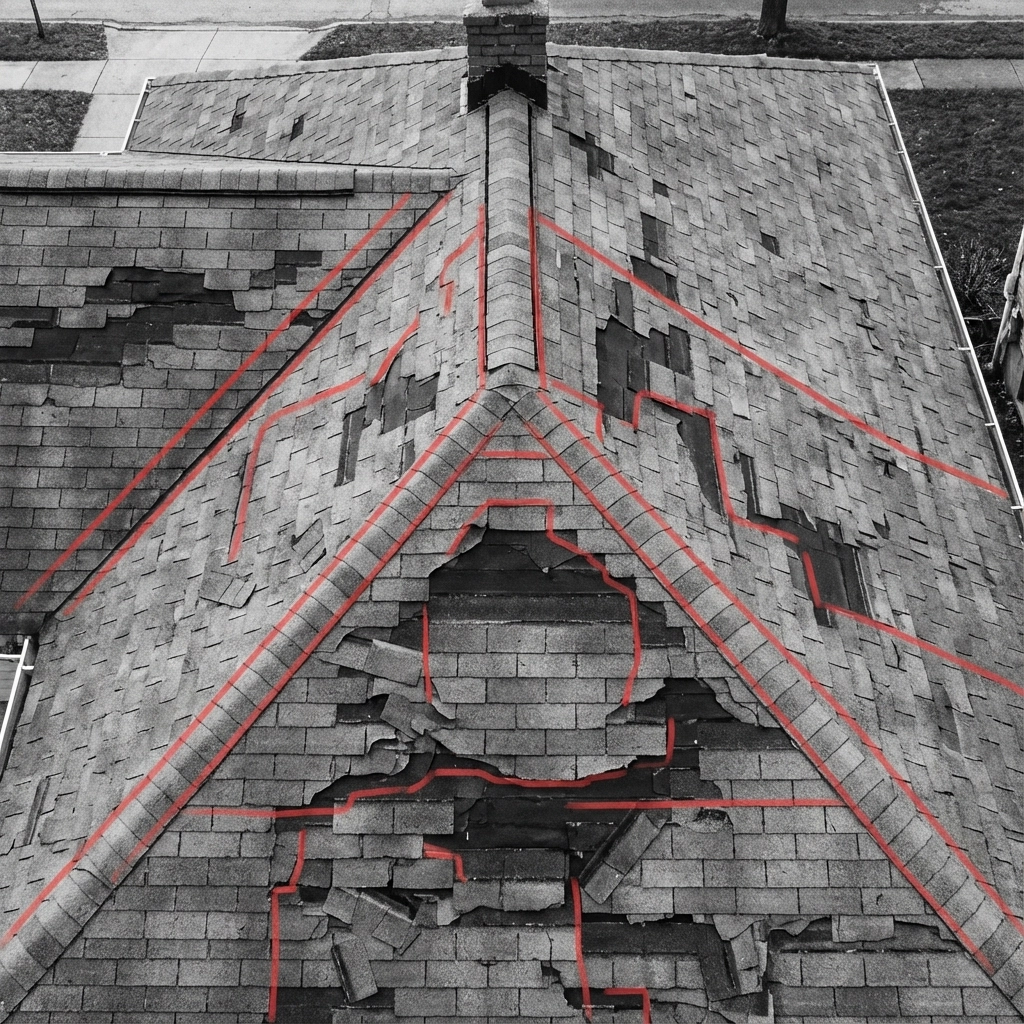
Pay special attention to your gutters after storms. If you see a lot of shingle granules collecting there, it's a sign your shingles are deteriorating faster than they should be.
I always tell Salisbury homeowners to do a visual roof check from the ground after any major weather event. You don't need to climb up there (please don't!), but a quick look can help you spot obvious damage before it becomes a bigger problem.
4. Peeling Paint and Bubbling Wallpaper
When water gets inside your walls through a roof leak, it has to go somewhere. Often, that moisture works its way out through your interior finishes, causing paint to peel, wallpaper to bubble, or walls to feel damp to the touch.
This is especially common around:
Upper-level walls near the roofline
Areas around chimneys or roof penetrations
Corners where walls meet the ceiling
Walls directly below roof valleys or complex rooflines
If you notice paint starting to bubble or peel in these areas: especially if it's happening on an upper floor: there's a good chance you've got moisture coming from above.
5. Musty Odors and Mold Growth
Your nose knows when something's wrong. That damp, musty smell that reminds you of an old basement? That's often one of the first signs of a hidden moisture problem.
Roof leaks create the perfect conditions for mold and mildew to grow: dark, damp spaces with poor air circulation. You might notice:
Musty odors that seem to come and go with the weather
Visible mold or mildew on walls or ceilings
Dark spots in corners or along the ceiling line
A generally damp feeling in certain rooms
This isn't just a cosmetic problem. Mold can cause serious health issues, especially for kids, elderly folks, and anyone with respiratory problems. If you're smelling mold or seeing growth, it's time to call in the pros to find and fix the source.
6. Wet or Damaged Attic Insulation
Your attic is like a early warning system for roof problems. If water is getting in, you'll often see signs there first. During your regular seasonal maintenance (you are checking your attic a couple times a year, right?), look for:
Wet, clumped, or compressed insulation that's lost its fluffy texture
Dark stains on the wooden roof decking
Rusty nails or metal hardware
Daylight peeking through where it shouldn't be
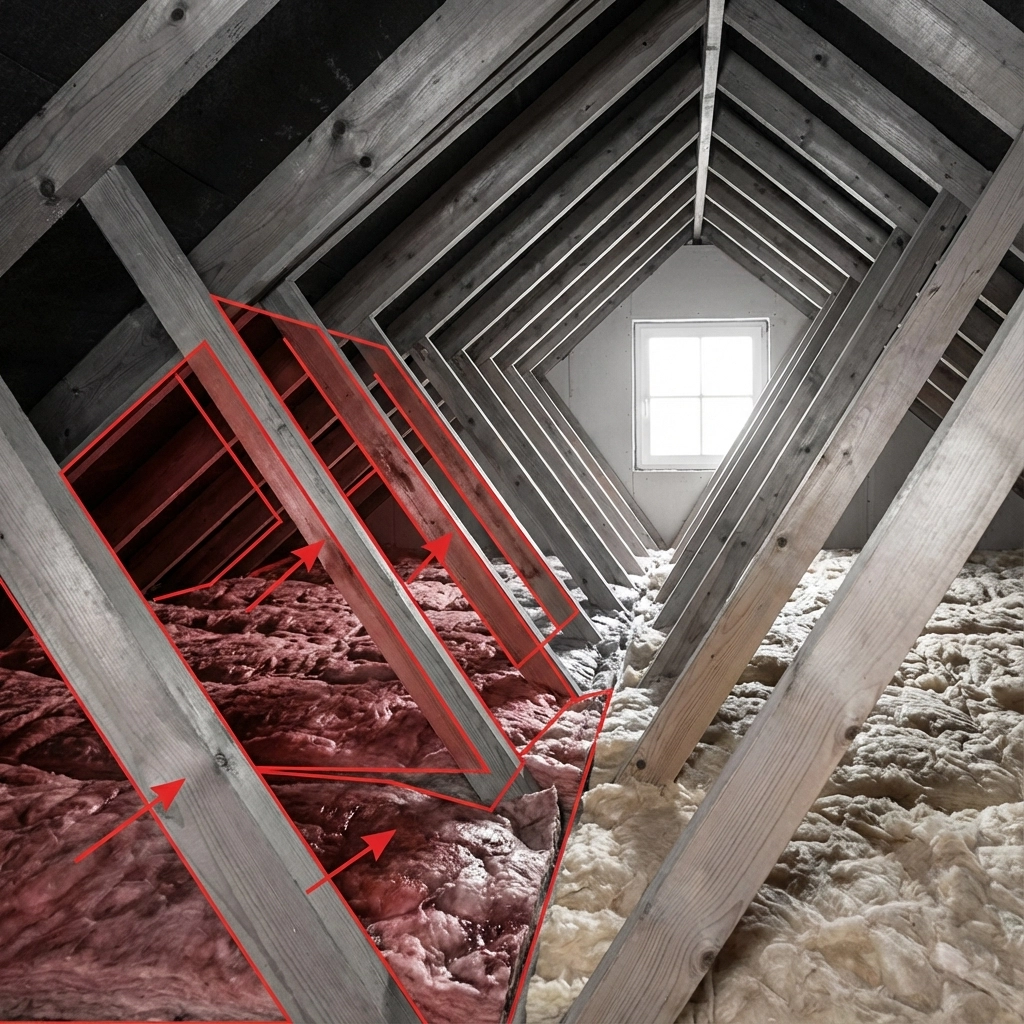
Wet insulation is particularly problematic because it loses most of its insulating value when damp, which means your energy bills go up even before you realize you have a leak.
Safety note: If you're not comfortable getting into your attic, or if you see any electrical issues up there, call a professional. It's not worth the risk.
7. Problems with Flashing and Gutters
Some of the most common leak sources in Salisbury homes aren't the shingles themselves: they're the metal flashing around chimneys, vents, and skylights, or problems with the gutter system.
Flashing issues to watch for:
Exposed or damaged flashing around chimneys or roof penetrations
Rust or corrosion on metal components
Gaps or separations where flashing meets the roof or wall
Missing or loose flashing after storms
Gutter problems that cause leaks:
Clogged gutters that overflow during heavy rain
Sagging or separated gutter sections
Rust holes or damaged downspouts
Ice dams in winter that force water under shingles
I've seen plenty of Salisbury homes where a simple gutter cleaning or flashing repair could have prevented thousands of dollars in water damage. These might seem like small issues, but they can cause big problems if left unchecked.
When to Call a Professional Roofer
Here's the bottom line: if you're seeing any of these signs, it's time to call in a professional. I know some folks like to tackle home repairs themselves, but roof work is dangerous, and a missed problem can cost you way more than a professional inspection.
Call immediately if you notice:
Multiple signs happening at the same time
Active water dripping inside your home
Mold growth or strong musty odors
Structural damage like sagging or soft spots
At Peninsula Roofing, we've been helping Salisbury homeowners spot and fix roof problems since 1947. We know the local weather patterns, the common issues that affect homes in our area, and how to fix them right the first time.
The best part about catching roof problems early? It usually costs a lot less to fix a small leak than to repair the water damage that happens when that small leak becomes a big one. Plus, most of these repairs are pretty straightforward when caught early: it's when water has been getting in for months or years that things get complicated (and expensive).
Remember: Your roof is protecting everything you value most: your family, your belongings, and your biggest investment. A little vigilance and some early action can save you a lot of headaches down the road.
If you're seeing any of these warning signs around your Salisbury home, give us a call at Peninsula Roofing. We'll come take a look, give you an honest assessment, and help you figure out the best way forward. Because when it comes to roof leaks, the sooner you act, the better off you'll be.
Want to learn more about our services or schedule an inspection? Check out our services page or contact us directly. We're here to help keep your home safe and dry, no matter what Maryland weather throws our way.
Comments