Spring is Coming: Your Essential Post-Winter Roof Maintenance Checklist for Salisbury Homes
- sean fahey
- Mar 2
- 5 min read

As the calendar turns and the Salisbury sun finally starts to feel a bit warmer, most of us are thinking about mulching the flower beds or finally getting the patio furniture out of the shed. But here at Peninsula Roofing Company, Inc., we know that spring is actually the "big reveal" season for your home.
Winter doesn’t always leave quietly. It leaves behind secrets: little cracks, loose shingles, and clogged gutters: that don't usually show their face until the first major April shower hits Delmarva. After over 75 years of being one of the leading roofing companies in salisbury md, we’ve seen exactly how the transition from freezing nights to balmy afternoons can stress even the toughest roofs.
Here is your essential guide to what’s happening up there right now and what you should be looking for to keep your home dry and safe.
1. The "Great Expansion": How Temperature Shifts Stress Your Roof
One of the most common things people overlook is what we call "The Great Expansion." Most roofing materials: whether you have asphalt shingles, metal panels, or cedar shakes: are subject to thermal movement.
When the sun beats down on a March afternoon, your roof expands. When the temperature drops back down to freezing at night, it contracts. Over a long winter, this constant back-and-forth puts a massive amount of stress on the "joints" of your roof.
Specifically, look out for:
Popped Nails: Thermal expansion can actually "back" nails out of the roof deck. A single nail head poking up might not look like much, but it creates a perfect pathway for water to travel straight into your plywood.
Stressed Seams: On metal roofs or around flashing, the sealant can become brittle over the winter. As the metal expands in the spring heat, those old sealants can crack or pull away.
The Screw Factor: If you have a metal roof, this is the time when those rubber washers on your screws might start to fail. We often call this the 15-year glitch, where the expansion of the metal eventually wears out the fasteners.

2. Gutter Health: Clearing the Winter Hangover
If you haven't looked in your gutters since the last leaf fell in November, you’re likely in for a surprise. Winter is notorious for dumping grit and debris into your drainage system. Between the wind blowing winter grime around and the natural "sloughing" of shingle granules during ice storms, your gutters might be acting more like a planter box than a drain.
Why it matters for Salisbury homeowners: We get plenty of rain in the spring. If your gutters are backed up, that water doesn't just sit there; it backs up under the eaves and can rot your fascia boards or, worse, seep into your foundation.
What to look for:
The "Sand" Test: If you see a lot of colored sand (granules) in your gutters, it’s a sign that your shingles are losing their protective coating.
Sagging Gutters: Heavy ice and snow can pull gutters away from the house. If you see a gap between the gutter and the roofline, it needs to be addressed before the spring deluges start.
Downspout Flow: Take a garden hose and run some water through. If it isn't coming out the bottom fast and clear, you’ve got a clog that’s just waiting to cause a leak.
3. The Shingle Search: Spotting Damage from the Ground
You don't necessarily need to climb a ladder to know if you need a roofer salisbury. A quick walk around your yard with a pair of binoculars (or just a sharp eye) can tell you a lot.
Winter winds in Salisbury can be brutal. They catch the edges of shingles and can snap them or pull them loose. Look for:
"Fish-mouthing": This is when the edges of a shingle curl upward, looking like an open fish mouth. It happens when the material becomes brittle from the cold and then warps as it warms up.
Missing Tabs: If you see dark patches on the roof where a shingle should be, or if you find pieces of shingles in your yard, your roof’s "armor" has been breached.
Cracked Shingles: Rapid temperature changes can cause shingles to crack, especially on older roofs that have lost their flexibility.
4. Identifying Hidden Leaks (Before the Ceiling Does)
Sometimes the damage isn't visible from the outside. The best salisbury roofing advice we can give is to check your "unconditioned" spaces: your attic or crawl spaces: during the first few warm weeks of March.
Check the Attic for:
Moisture and Mildew: If your attic smells musty, it might not be a direct leak from rain. It could be that winter snow or ice moisture got trapped and is now "cooking" as the attic warms up.
Daylight: If you can see sunlight peeking through the roof boards, you definitely have an issue.
Water Stains: Look at the underside of the roof deck for dark spots or white "crusty" areas (efflorescence). These are the fingerprints of a leak that happened during a winter thaw.
If you catch these now, you can avoid the headache of a soggy ceiling in May. If you're unsure, contact us for a professional look. We've been serving the Delmarva area since 1947, and we know exactly where these "hidden" leaks like to hide.
5. The Critical Details: Flashing and Chimneys
The most common leak points aren't usually in the middle of your shingles; they are at the "penetrations": where things come through the roof.
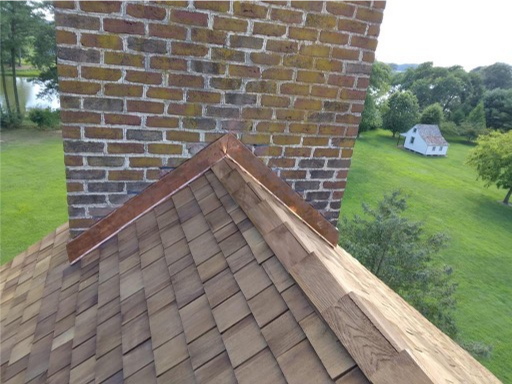
Chimneys: The freeze-thaw cycle is the enemy of masonry and flashing. Water gets into small cracks in the chimney mortar, freezes (and expands), and then thaws. This can pull the flashing away from the brick. Vents and Pipes: The rubber boots around your plumbing vents take a beating in the winter. Check for cracks or dry rot.
Why a Professional Inspection Matters
While a DIY walk-around is a great start, there are things only an experienced salisbury roofer is going to catch. At Peninsula Roofing Company, Inc., we don't just "look" at roofs: we understand the structural integrity of homes in our specific coastal climate.
We’ve spent 75+ years building a reputation as one of the most reliable roofing companies salisbury md has to offer. Whether you have a historic residential home or a large commercial facility, the transition into spring is the single best time to perform maintenance.
Being proactive is always cheaper than being reactive. A simple repair now could save you thousands in interior water damage later.
Quick Spring Checklist for Salisbury Homeowners:
Walk the perimeter: Look for shingle debris or loose metal.
Clean the gutters: Ensure water flows away from the house.
Check the attic: Smell for mold; look for stains.
Inspect the flashing: Look for gaps around chimneys and vents.
Trim the trees: If winter weakened any branches hanging over your roof, cut them back before spring storms blow them down.

If you’re worried about what winter might have done to your roof, don’t wait for the first thunderstorm to find out. Give us a call or check out our services page to see how we can help. We’ve been keeping Salisbury covered since 1947, and we’re ready to help you get your home ready for a beautiful Maryland spring.
Whether you need a minor repair or a full replacement, remember that not all roofers in salisbury md are created equal. Experience matters, and 75 years of it is just a phone call away. Learn more about us and let's get your roof in top shape for the year ahead!
Comments