Storm Damage vs Normal Wear: What Every Salisbury Homeowner Needs to Know About Emergency Roof Repairs
- sean fahey
- Dec 29, 2025
- 5 min read

When you spot something wrong with your roof, the first question that pops into your head is probably: "Is this storm damage or just normal wear?" It's a crucial question that can mean the difference between a covered insurance claim and an out-of-pocket expense. As Salisbury homeowners, we deal with everything from coastal storms to winter weather, so knowing what you're looking at can save you thousands of dollars and prevent small problems from becoming major headaches.
Let's break down exactly what to look for, when to worry, and how to protect your home and your wallet.
Understanding Normal Wear and Tear
Every roof ages, even the best ones. Normal wear happens gradually over time – think of it like gray hair or laugh lines. You don't wake up one morning and suddenly have them; they develop slowly as your roof faces years of Maryland weather.
Color Changes and Fading Your shingles will naturally fade from constant UV exposure. This usually happens evenly across your entire roof, creating a uniform, weathered look. If your roof looked vibrant when new and now appears more muted, that's completely normal aging.
Gradual Granule Loss Asphalt shingles are covered with tiny granules that protect the underlying material. Over time, these granules naturally loosen and wash into your gutters. You'll notice what looks like coarse sand collecting in downspouts and around drainage areas. A little granule loss each year is expected – it's when you see sudden, heavy loss that you should worry.
Minor Edge Curling Heat and moisture cycles cause shingles to expand and contract repeatedly. After years of this, you might notice slight curling or brittleness along shingle edges. This typically happens uniformly across the roof and develops over several years.
Algae and Dark Streaks Those dark streaks running down your roof aren't necessarily damage – they're usually algae growth from moisture and humidity. While not aesthetically pleasing, they're more of a cosmetic issue than structural damage.
Recognizing Storm Damage: The Tell-Tale Signs
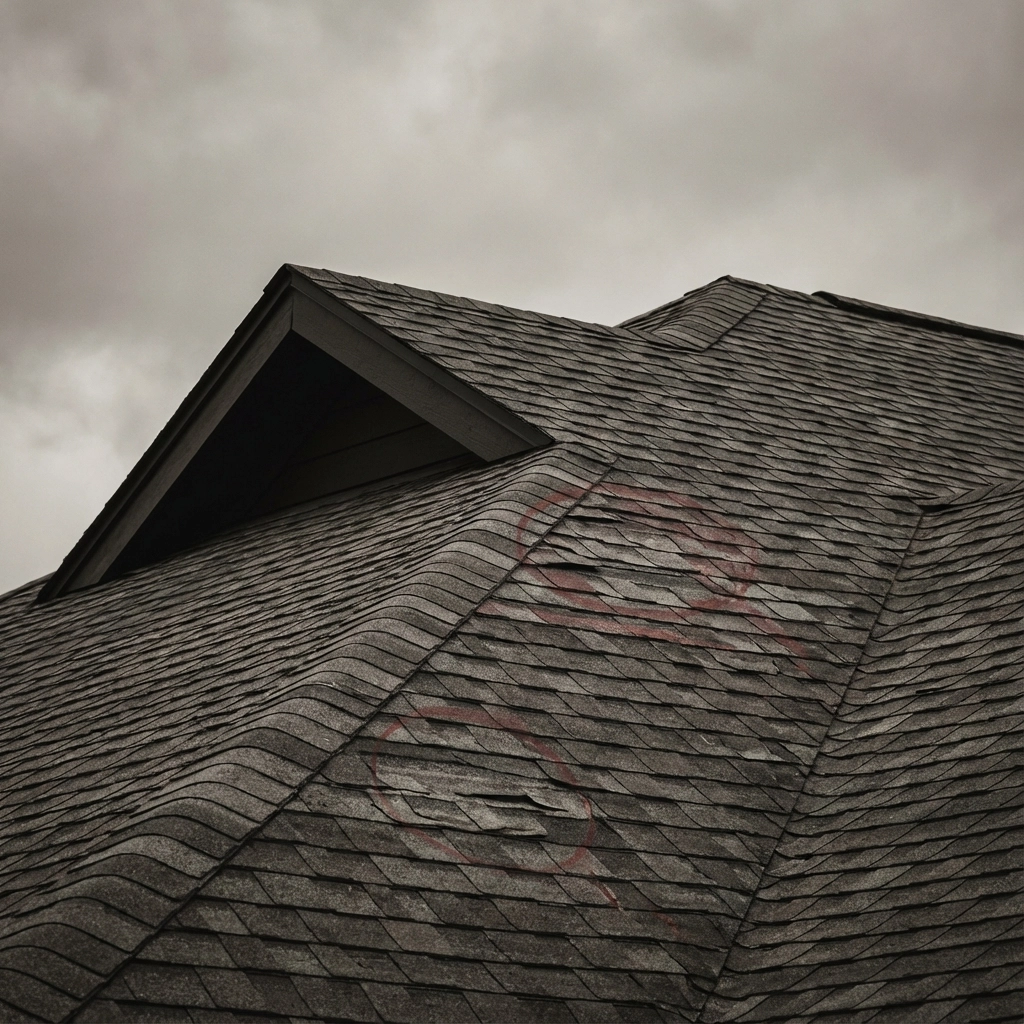
Storm damage is like a fingerprint – each type of weather leaves distinct marks that are usually obvious once you know what to look for.
Wind Damage: The Aftermath of Gusts Salisbury can experience some serious wind events, and they leave specific calling cards:
Missing or torn shingles: These are hard to miss. Entire shingles gone or hanging by a corner
Lifted or misaligned shingles: Shingles that look like someone tried to peel them back, often curled upward at odd angles
Creases and cracks: Shingles that have been bent back on themselves, creating visible fold lines
Exposed underlayment: Dark strips visible where shingles have been pulled away
Wind damage typically follows a diagonal pattern showing the direction the wind was blowing, and it's usually concentrated on the side of your roof that took the brunt of the storm.
Hail Damage: Nature's Sledgehammer Hail damage is often the most dramatic and easiest to identify:
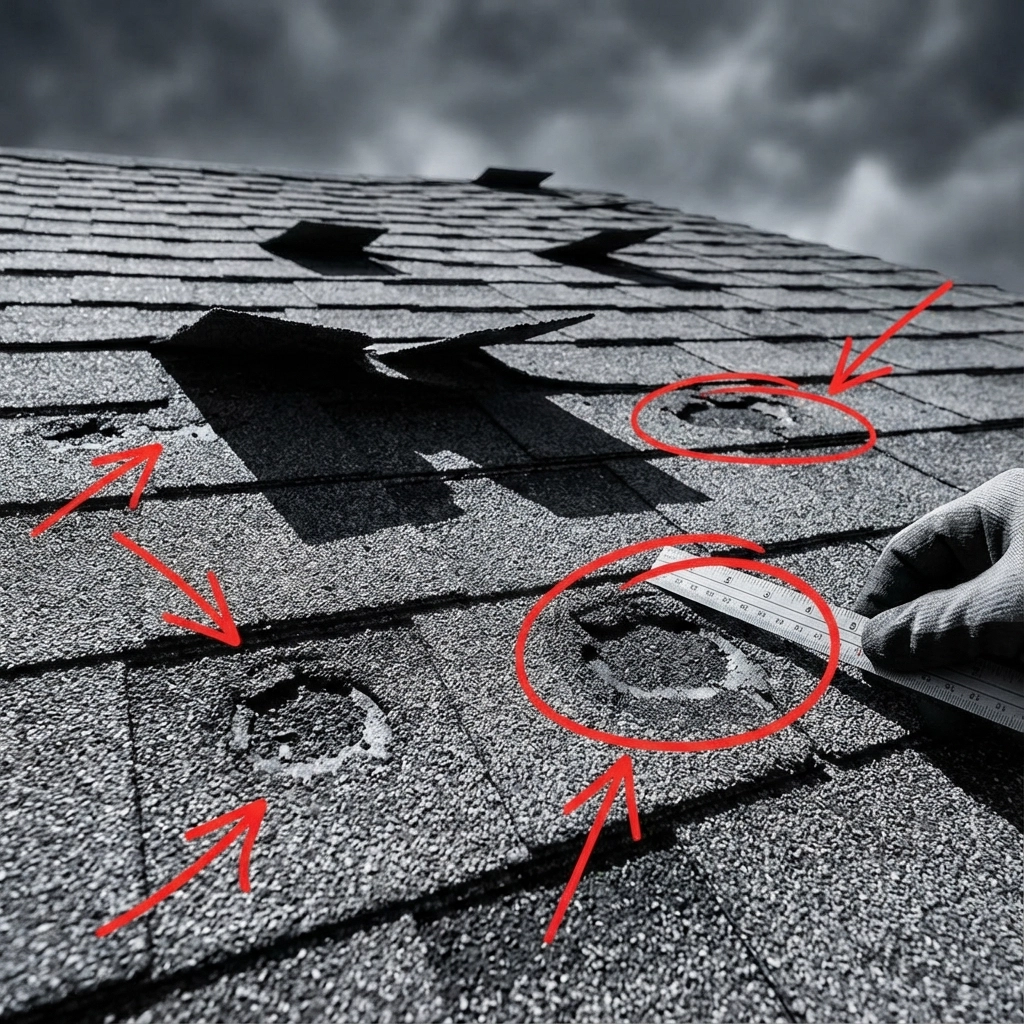
Circular dents or "bruises": These appear as round indentations on shingles and look like someone took a ball-peen hammer to your roof
Granule displacement: Fresh, bright spots where granules have been knocked off, exposing the dark asphalt underneath
Soft spots: Damaged shingles will feel soft or spongy when pressed
Metal damage: Check gutters, flashing, and vents for similar dents
Hail damage appears random across your roof – not uniform like normal wear. You'll also likely see the same damage on other surfaces around your property like siding, outdoor furniture, or vehicles.
Water Damage: The Silent Destroyer Sometimes the damage isn't visible from the ground:
Fresh water stains: New spots on ceilings or walls inside your home
Soft or warped decking: Areas where water has penetrated and compromised the roof structure
Damaged flashing: Pulled or punctured metal around chimneys, vents, or roof joints
The Critical Differences That Matter
Here's where things get important for your insurance claim and your bank account. The key differences between storm damage and normal wear aren't just academic – they determine whether your insurance company will cover repairs.
Timeline and Pattern Normal wear develops uniformly over years. Storm damage happens overnight and is typically concentrated in specific areas. If you can tie damage to a specific weather event that happened on a particular date, you're likely looking at storm damage.
Appearance and Distribution Normal wear shows consistent patterns across your entire roof. Storm damage is random and follows weather patterns – diagonal for wind, circular for hail, or concentrated around entry points for water damage.
Severity and Urgency Normal wear gives you time to plan and budget for repairs. Storm damage often requires immediate attention to prevent further damage to your home's interior.
What Insurance Typically Covers (And What It Doesn't)
Understanding insurance coverage can save you from unpleasant surprises. Most homeowners' policies cover sudden, accidental damage from storms but exclude normal wear and maintenance issues.
Usually Covered:
Hail damage to shingles and gutters
Wind damage from storms
Water damage resulting from storm-related roof damage
Emergency repairs to prevent further damage
Usually Not Covered:
Gradual deterioration from age
Normal granule loss
Maintenance issues like clogged gutters
Damage from lack of maintenance
The key is documenting everything. Take photos immediately after a storm, and keep records of when damage occurred. The more you can tie damage to a specific weather event, the stronger your insurance claim becomes.
When to Call the Professionals
Not every roofing issue requires emergency action, but some definitely do. Here's when you should pick up the phone immediately:
Call Right Away If:
You see daylight through your roof boards
Water is actively leaking into your home
Large sections of shingles are missing
You notice sagging or structural damage
Schedule an Inspection Soon If:
You're unsure whether damage is storm-related
You notice granule loss in gutters after a storm
Shingles appear lifted or damaged
You want to file an insurance claim
Can Probably Wait (But Don't Ignore) If:
You see minor, uniform granule loss
There's slight color fading across the roof
A few shingles show minor edge curling
Peninsula Roofing's Honest Assessment Approach
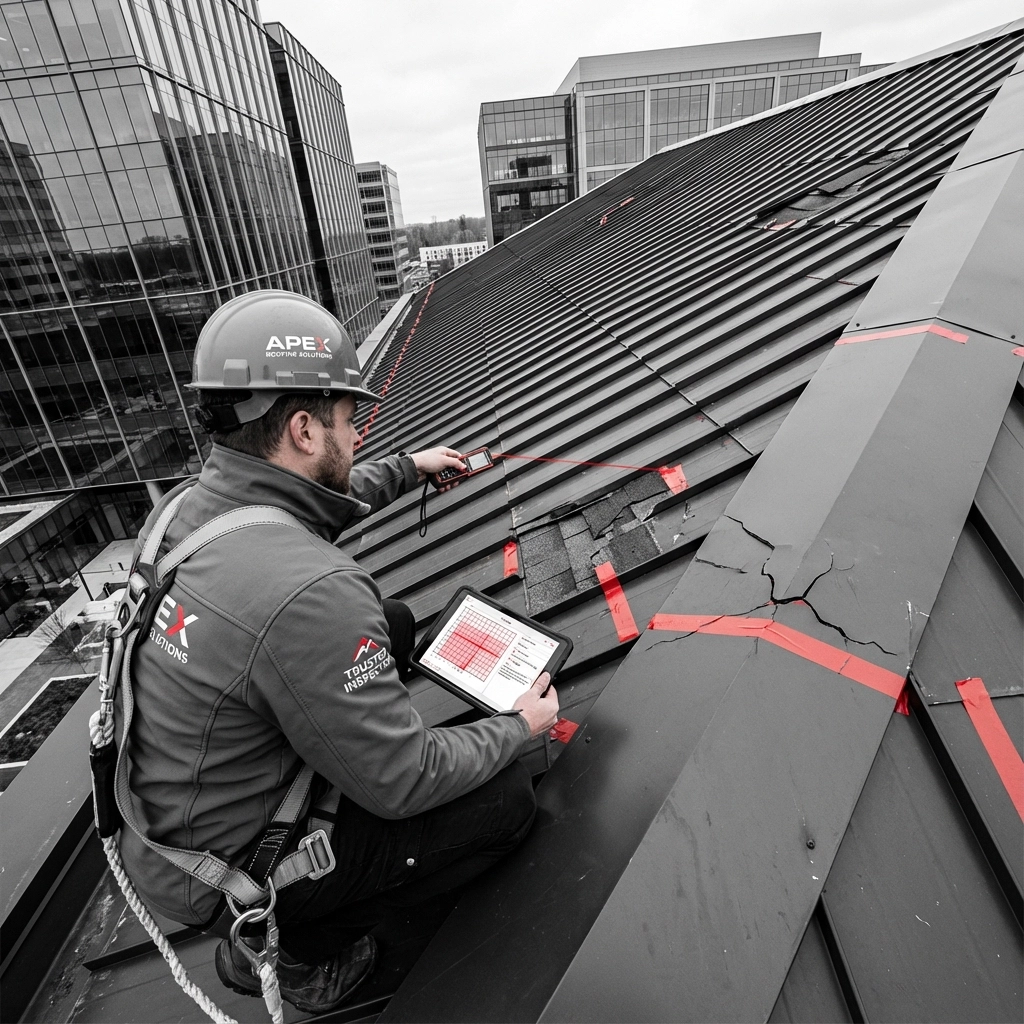
At Peninsula Roofing, we've been serving Salisbury homeowners since 1947, and we've seen every type of roof damage imaginable. Our approach is simple: we tell you what you need to know, not what we think you want to hear.
When we inspect your roof, we're looking for the real story. If storm damage requires immediate repairs, we'll prioritize those areas and help you navigate the insurance process. If normal wear means you can plan for future replacement, we'll give you a realistic timeline and budget.
We believe in repairs when they make sense and replacement when they don't. Not every damaged shingle needs a full roof replacement, and not every old roof needs immediate replacement. Our job is to keep you safe and dry while being honest about your options and timeline.
Taking Action: Your Next Steps
If you suspect storm damage, document everything with photos and contact your insurance company promptly. Most insurers have time limits for reporting claims, so don't wait weeks to file.
For normal wear issues, start planning and budgeting. A well-maintained roof can last decades, but ignoring small problems often leads to bigger, more expensive ones.
Whether you're dealing with emergency storm damage or planning for normal roof maintenance, having a trusted local roofer makes all the difference. We know Salisbury's unique weather challenges, local building codes, and how to work with area insurance companies.
The bottom line? When in doubt, get a professional opinion. A proper inspection costs far less than missing storm damage that leads to interior water damage, or filing an insurance claim that gets denied because you couldn't prove when damage occurred.
Your roof protects everything inside your home. Understanding what you're looking at – and when to take action – protects your investment and your family's safety. If you have questions about your roof or want an honest assessment of what you're dealing with, contact Peninsula Roofing today. We'll give you the straight story about your roof's condition and your best options moving forward.
Comments