Storm Season Survival: Why Salisbury Roofers Recommend These 5 Emergency Prep Steps (Before It's Too Late)
- sean fahey
- Jan 15
- 5 min read

If you've lived in Salisbury or anywhere on the Delmarva Peninsula for more than a single summer, you know the drill. One minute it's a gorgeous beach day, and the next you're watching the weather radar light up like a Christmas tree while storm clouds roll in from the bay.
Here's the thing, your roof takes the brunt of every storm that passes through. Wind, rain, hail, flying debris from your neighbor's poorly secured patio umbrella... it all lands up there. And when storm season hits hard, the difference between a minor inconvenience and a major disaster often comes down to preparation.
At Peninsula Roofing Company, we've been helping Delmarva property owners protect their homes and businesses since 1947. That's nearly eight decades of storm seasons under our belt. We've seen what works, what doesn't, and what keeps people calling us at 2 AM in a panic.
So let's talk about the five prep steps that can save you serious headaches (and serious money) when Mother Nature decides to throw a tantrum.
Step 1: Get a Professional Pre-Storm Inspection
Look, we get it. Climbing up on your roof to poke around isn't exactly anyone's idea of a good Saturday. But here's the reality, small problems become big problems fast when 60 mph winds and sideways rain enter the picture.
A professional inspection before storm season identifies the stuff you can't see from the ground:
Cracked or missing shingles that could peel back and expose your decking
Loose or damaged flashing around vents, chimneys, and skylights
Weak spots in the structure that might not handle heavy wind loads
Sealant failures that invite water intrusion
Think of it like a physical for your roof. You wouldn't skip your annual checkup and then act surprised when something goes wrong, right? Same logic applies here.
For commercial property owners, this is even more critical. Flat roofs and low-slope systems have their own set of vulnerabilities, ponding water, membrane issues, and drainage problems that can turn a moderate storm into an insurance nightmare.
Pro tip: Schedule your inspection in late spring or early summer, before storm season kicks into high gear. Roofers get slammed once the storms start rolling through, and you want to be ahead of that curve.
Step 2: Clean Your Gutters and Trim Those Trees
This one sounds almost too simple, but you'd be amazed how many storm damage calls we get that trace back to clogged gutters or overhanging branches.
Gutters first: When your gutters are packed with leaves, twigs, and whatever else blew up there last fall, water has nowhere to go. It backs up under your shingles, pools around your fascia, and eventually finds its way into places water should never be. During a heavy storm, this problem multiplies fast.
Now the trees: Any branch within 10 feet of your roof is a potential projectile. High winds turn that picturesque oak limb into a battering ram. Even branches that don't break can scrape against shingles repeatedly, wearing down your roof's protective surface over time.
Walk your property and look up. If you see branches hanging over your roof or getting close, it's time to call an arborist or break out the pruning saw. Your future self will thank you.
Step 3: Reinforce the Vulnerable Spots
Not all parts of your roof face equal risk during a storm. Certain areas take more abuse than others, and reinforcing these spots before trouble arrives makes a huge difference.
Hurricane straps are metal connectors that tie your roof structure to your wall studs. They help prevent the roof from lifting off during extreme wind events, and yes, we get those kinds of winds here on Delmarva. If your home was built before modern building codes required these, it's worth having them installed.
Flashing reinforcement is another smart move. The flashing around your chimney, vents, and roof edges is often the first place leaks develop. Metal connectors and structural clips can shore up these weak points before a storm tests them.
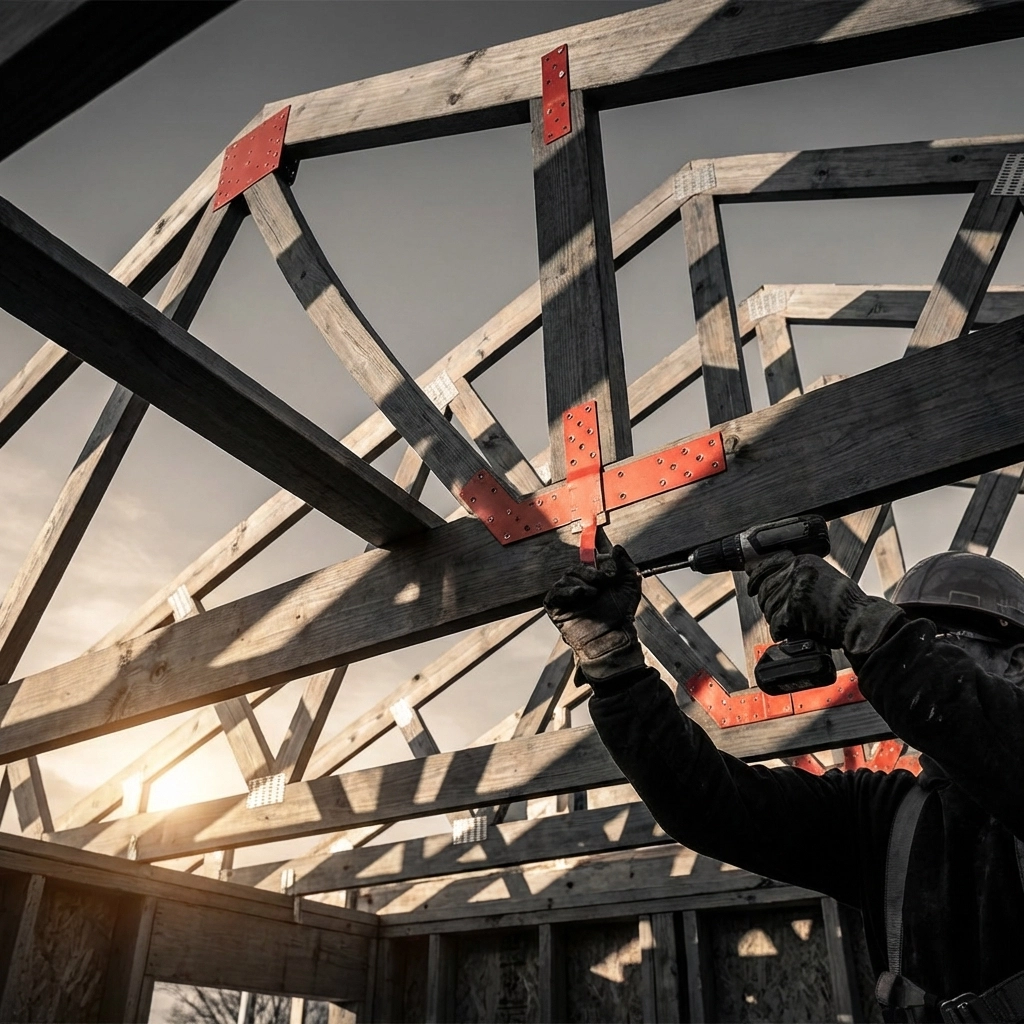
For commercial buildings, this might mean reinforcing rooftop equipment mounts, securing HVAC units, and ensuring all penetrations are properly sealed. The last thing you want is your rooftop unit becoming airborne during a storm.
Step 4: Consider Wind-Resistant Materials (Especially If You're Due for Replacement)
If your roof is getting up there in age, storm season prep might be the perfect time to think about an upgrade.
Modern roofing materials have come a long way. High-wind-rated shingles can handle sustained winds of 130-150 mph: the kind of numbers we occasionally see during serious coastal storms. These shingles feature reinforced tabs and stronger adhesives that keep them locked down when things get wild.
Impact-resistant shingles are another option worth considering. They're designed to withstand hail and flying debris, and here's a bonus: many insurance companies offer premium discounts for homes with impact-resistant roofing installed.

Speaking of insurance, here's something coastal property owners need to know: we're seeing insurance companies in beach areas require roof replacement at 20-25 years. That means investing heavily in repairs on an older roof might not make financial sense if your insurer is going to require replacement anyway. This trend hasn't spread widely to inland Delmarva yet, but it's worth keeping in mind when you're weighing repair vs. replacement decisions.
Step 5: Build Your Emergency Preparedness Kit and Plan
Here's where most people drop the ball. They do all the physical prep work but never create an actual plan for when disaster strikes.
Your storm prep kit should include:
Heavy-duty tarps and roofing nails for temporary emergency coverage
A quality flashlight and extra batteries
Contact information for a 24/7 emergency roofer (that's us, by the way: contact Peninsula Roofing)
Your insurance policy information and agent's contact details
Date-stamped photos of your roof's current condition
That last one is huge. If you ever need to file an insurance claim, having documented proof of your roof's pre-storm condition makes the process infinitely smoother. Walk around your property on a clear day and snap photos from multiple angles. Store them somewhere you can access them even if your phone takes a swim.

For business owners: Make sure your emergency plan includes procedures for securing loose equipment, protecting inventory, and communicating with employees about storm response protocols. A few hours of planning now can prevent days of chaos later.
When the Storm Hits Anyway
Even with perfect preparation, sometimes storms just win. Trees fall in unexpected directions. Debris comes from three streets over. Freak weather events happen.
That's why Peninsula Roofing offers 24/7 emergency response for Salisbury and the entire Delmarva region. When you're standing in your living room at midnight watching water drip through your ceiling, you need someone who answers the phone: not a voicemail promising a callback during business hours.
We've been the trusted local roofing team here since 1947. We know these communities, we know these buildings, and we know what Delmarva weather can dish out. Whether you need a pre-storm inspection, emergency repairs at 3 AM, or a full roof replacement after the damage is done, we've got you covered.
The Bottom Line
Storm prep isn't glamorous. It's not the fun part of homeownership or property management. But it's the difference between riding out a storm with minimal stress and dealing with catastrophic damage that could have been prevented.
Take an afternoon this week. Walk your property. Look at your roof. Check your gutters. Trim those branches. And if you're not sure what you're looking at or whether your roof is ready for whatever this storm season brings, give us a call.
Because the best time to prepare for a storm is always before it shows up on the radar.
Ready to get your roof storm-ready?Contact Peninsula Roofing Company today for a professional inspection or to learn more about our residential and commercial roofing services. We've been protecting Delmarva properties since 1947; and we're not stopping anytime soon.
Comments