Struggling With Roof Insurance Claims? Here's What Salisbury Roofers Know That Adjusters Won't Tell You
- sean fahey
- Dec 18, 2025
- 5 min read

When storm damage hits your Salisbury home, dealing with insurance claims can feel like navigating a maze blindfolded. After nearly 80 years serving Delmarva homeowners, we've seen hundreds of insurance claims: and learned some hard truths about what really works.
The good news? Armed with the right knowledge, you can level the playing field. Here's what experienced local roofers know that can make the difference between a fair settlement and leaving money on the table.
Get Your Own Professional Inspection First
This might be the most important advice we can give you: Don't wait for the insurance adjuster to tell you what's wrong with your roof.
Insurance adjusters are trained professionals, but they work for the insurance company: not for you. Their job is to assess damage fairly, but they're also motivated to keep claim costs reasonable. By getting your own professional roof inspection before the adjuster arrives, you're ensuring nothing gets missed.
Here's what happens when we inspect a roof after storm damage: We document everything with high-resolution photos, measure the extent of damage using industry standards, and create a detailed report that speaks the same technical language adjusters understand. When we find three missing shingles, damaged flashing, and compromised gutters, that's exactly what goes in your file: with photographic proof.
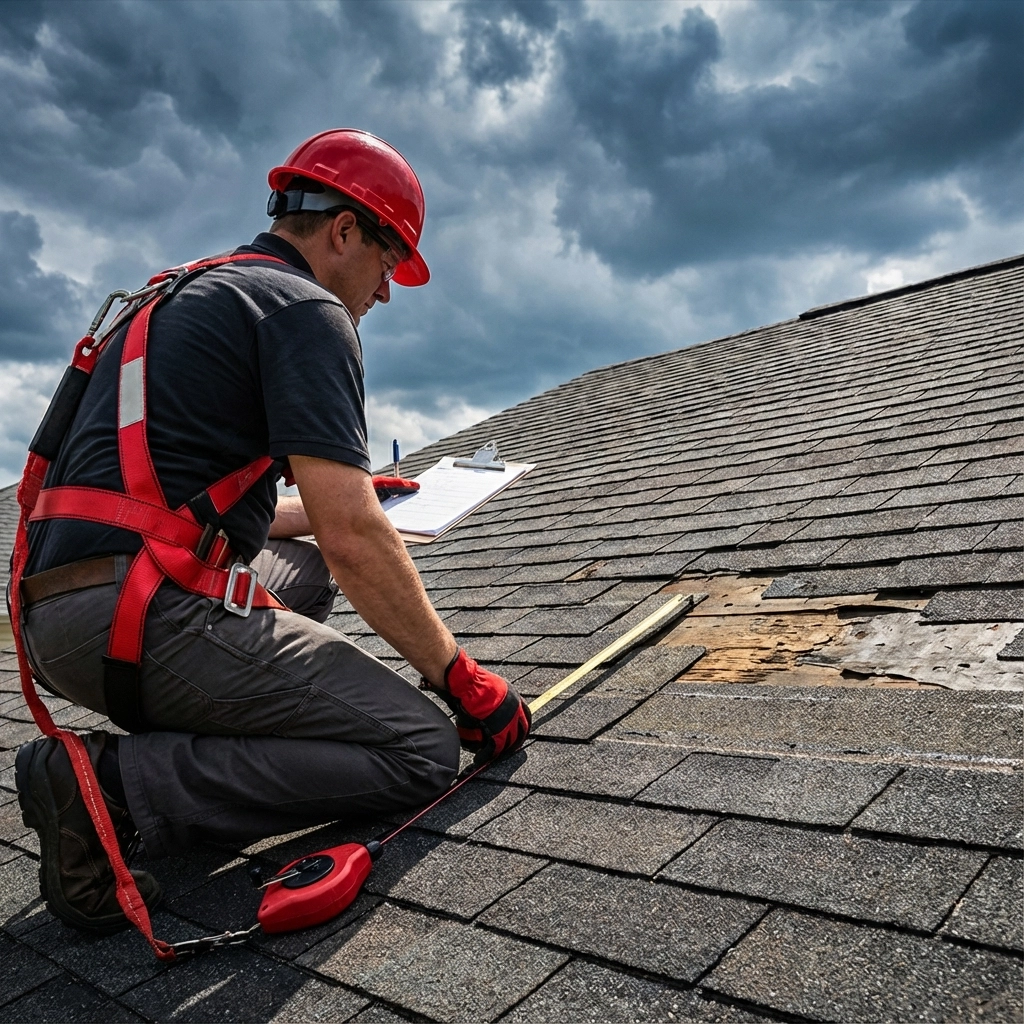
Think of it this way: if you were selling your car after an accident, wouldn't you want your own mechanic's assessment before the insurance company's appraiser showed up? Your roof deserves the same attention.
Document Like Your Claim Depends On It (Because It Does)
Insurance companies live and breathe documentation. If it's not documented, it didn't happen: at least not in their world.
Start taking photos immediately after storm damage, but don't stop there. Here's our complete documentation checklist:
Immediate photos: Take wide shots showing your entire roof, then close-ups of specific damage. Include your home's address visible in some photos to prove location and date.
Weather documentation: Screenshot local weather reports showing the storm that hit Salisbury. The National Weather Service keeps detailed records, and this proves the "when" of your damage.
Interior damage: Don't forget water stains on ceilings, walls, or in the attic. Storm damage often causes leaks that show up inside before you see exterior problems.
Maintenance records: Gather any receipts for previous roof work, inspections, or maintenance. This proves you've taken care of your roof and protects against claims that damage was due to neglect.
One Salisbury homeowner we worked with had her claim initially denied because the adjuster suggested her roof damage was from "normal wear and tear." Her maintenance records showing a professional inspection just two years prior: with no damage noted: got that denial overturned fast.
Know Your Policy Before You Need It
Most homeowners have never actually read their insurance policy until they need to file a claim. Big mistake.
Your policy contains crucial details that determine how much you'll receive: Is your coverage "actual cash value" or "replacement cost"? What's your deductible? Are there specific exclusions for your area's common weather events?
Replacement cost coverage pays to replace your roof with similar materials at today's prices. Actual cash value pays replacement cost minus depreciation: which can be significantly less for older roofs.
Here's a real example: A homeowner in Salisbury had a 15-year-old roof damaged in a storm. With actual cash value coverage, the insurance company calculated that the roof had depreciated 50% of its value. Instead of the $18,000 needed to replace it, they offered $9,000. Had she known this beforehand, she could have upgraded her policy or been prepared for the shortfall.

The Hidden Damage Rule Most People Don't Know
Many homeowners think insurance only covers obvious, visible damage. That's not true: and it's costing people money.
Storm damage often creates problems you can't see immediately. High winds can loosen shingles that look fine but will leak later. Hail can bruise shingles, making them vulnerable to future weather. Flying debris can damage flashing around chimneys or vents in ways that aren't obvious from the ground.
This is where professional inspections really pay off. We use specialized equipment to detect issues that won't show up in basic photos. Thermal imaging can reveal water infiltration, and detailed shingle inspections can spot bruising or granule loss that homeowners miss.
The key is filing your claim as soon as you suspect damage, not waiting until problems become visible inside your house. By then, you might be dealing with secondary damage that complicates your claim.
Never Accept the First Settlement Offer
Here's something adjusters won't tell you: You can negotiate.
Insurance companies expect some back-and-forth on claim settlements. If the first offer seems low, it probably is. Don't take it personally: it's just business.
When we help homeowners with this process, we prepare detailed repair estimates that break down every component: materials, labor, disposal, permits, and any code upgrades required. If there's a big difference between the adjuster's assessment and our professional estimate, we can usually resolve it through discussion.
Last year, we worked with a homeowner whose initial settlement was $7,500. After providing detailed documentation of hidden damage and updated material costs, the final settlement was $14,200. The difference paid for a complete roof replacement instead of patch repairs that would have failed within a few years.
Communication Strategies That Work
How you communicate with adjusters matters more than you might think.
Be present during inspections: Either you or your contractor should accompany the adjuster during their roof inspection. Don't be confrontational, but do point out areas of concern and provide your documentation.
Keep everything professional: Stick to facts, not emotions. "The storm damaged twelve shingles on the south side" carries more weight than "This storm destroyed everything!"
Get everything in writing: Request a detailed written report of the adjuster's findings. If something seems wrong, you'll have documentation to reference in follow-up conversations.
Follow up promptly: Return calls quickly, provide requested documentation immediately, and stay engaged in the process. Claims that drag on often get less favorable treatment.

When and How to Appeal
Not all claims go smoothly. If your claim is denied or the settlement seems unfair, you have options.
First, review the adjuster's report carefully. Are they missing damage you documented? Did they use outdated material costs? Sometimes a simple conversation with additional evidence can resolve disagreements.
If that doesn't work, you can file a formal appeal with your insurance company. Include your professional inspection report, updated repair estimates, and any additional evidence that supports your position.
For complex disputes, consider hiring a public adjuster who works exclusively for you (not the insurance company) or consulting with an attorney who specializes in insurance claims.
The Peninsula Roofing Advantage
After serving Salisbury and the broader Delmarva region since 1947, we've learned that successful insurance claims come down to preparation, documentation, and persistence.
We've helped hundreds of homeowners navigate the claims process, and we've seen firsthand how the right approach can mean the difference between adequate compensation and leaving thousands of dollars on the table.
Our role isn't to create adversarial relationships with insurance adjusters: we work with them regularly and maintain professional relationships. Instead, we help ensure your claim gets the thorough attention it deserves and that all damage gets properly documented and addressed.
Your Next Steps
If storm damage has hit your Salisbury home, don't wait to start the claims process:
Document everything immediately with photos and notes
Contact your insurance company to start your claim
Get a professional inspection before the adjuster arrives
Gather your policy details and maintenance records
Stay engaged throughout the process
Remember, insurance claims don't have to be adversarial. With proper preparation and professional guidance, you can navigate the process confidently and ensure your home gets the protection it deserves.
If you're dealing with storm damage in Salisbury or anywhere else on Delmarva, contact Peninsula Roofing Company for a professional inspection and guidance through the insurance process. We've been helping local homeowners protect their investments since 1947, and we're here to help you too.
Comments