Thanksgiving Roof Checklist: 7 Things Every Salisbury Homeowner Should Inspect Before December
- sean fahey
- Nov 26, 2025
- 5 min read

As you're prepping the turkey and setting the table for family gatherings, there's one more thing that deserves a spot on your Thanksgiving to-do list: checking your roof. With December's harsh Delmarva weather just around the corner, now's the perfect time to make sure your home is ready to keep everyone warm, dry, and comfortable through the holiday season.
Nobody wants to deal with surprise leaks dripping into the dining room during Christmas dinner or emergency roof repairs when you should be enjoying time with loved ones. A quick inspection now can save you from costly headaches later: and give you peace of mind knowing your family is safe and secure under a solid roof.
1. Clear Your Gutters and Downspouts
Your gutters work overtime during fall and winter, managing heavy rains and snowmelt that are common here in Salisbury. But clogged gutters filled with leaves, pine needles, and debris can't do their job properly, forcing water to back up under your shingles and potentially causing leaks right into your living spaces.
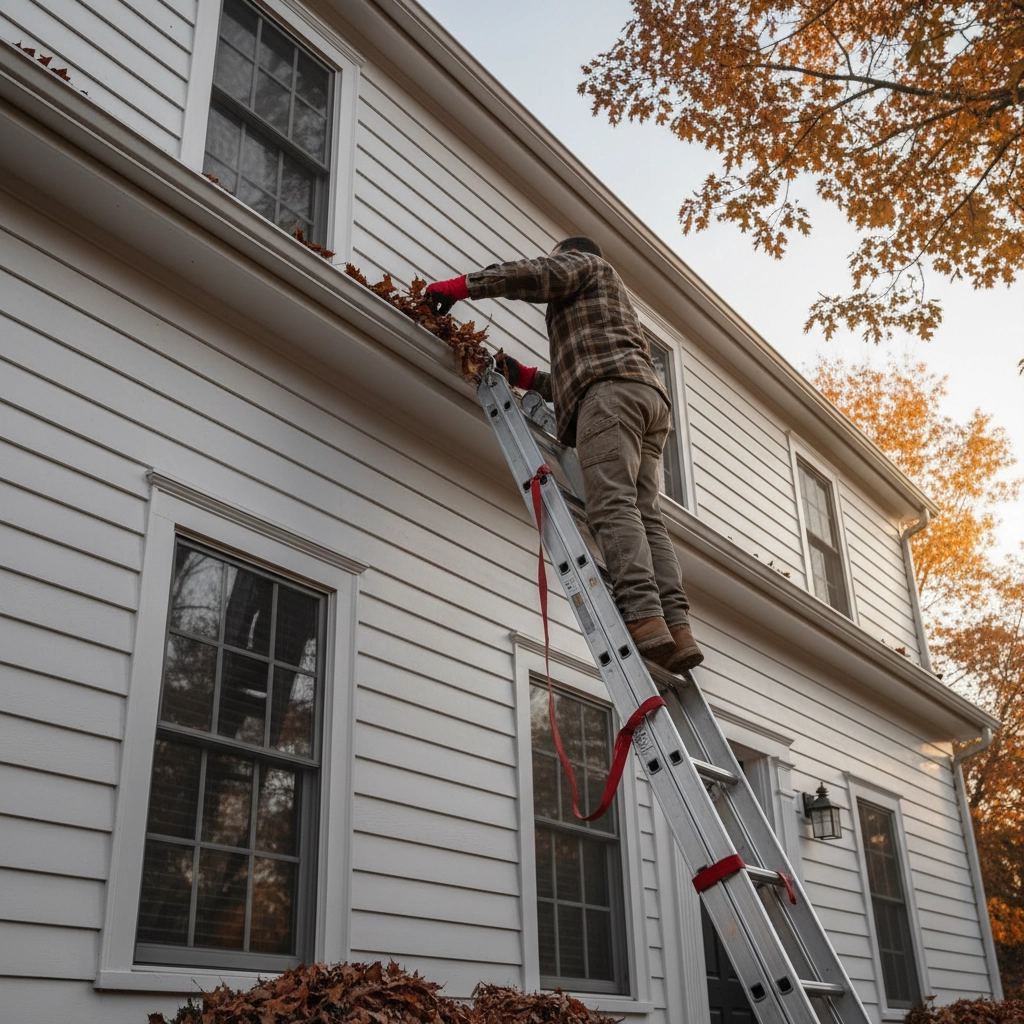
Take a walk around your home and check that all gutters are flowing freely. Look for any sagging sections, loose brackets, or areas where water might be pooling instead of flowing toward the downspouts. Don't forget to ensure your downspout extensions are directing water at least 4-6 feet away from your foundation: this prevents water from seeping into your basement or crawl space, which can lead to mold and structural issues.
If you're not comfortable getting on a ladder, many roofing companies in Salisbury MD offer gutter cleaning and inspection services that can handle this safely and thoroughly.
2. Inspect Your Shingles for Storm Damage
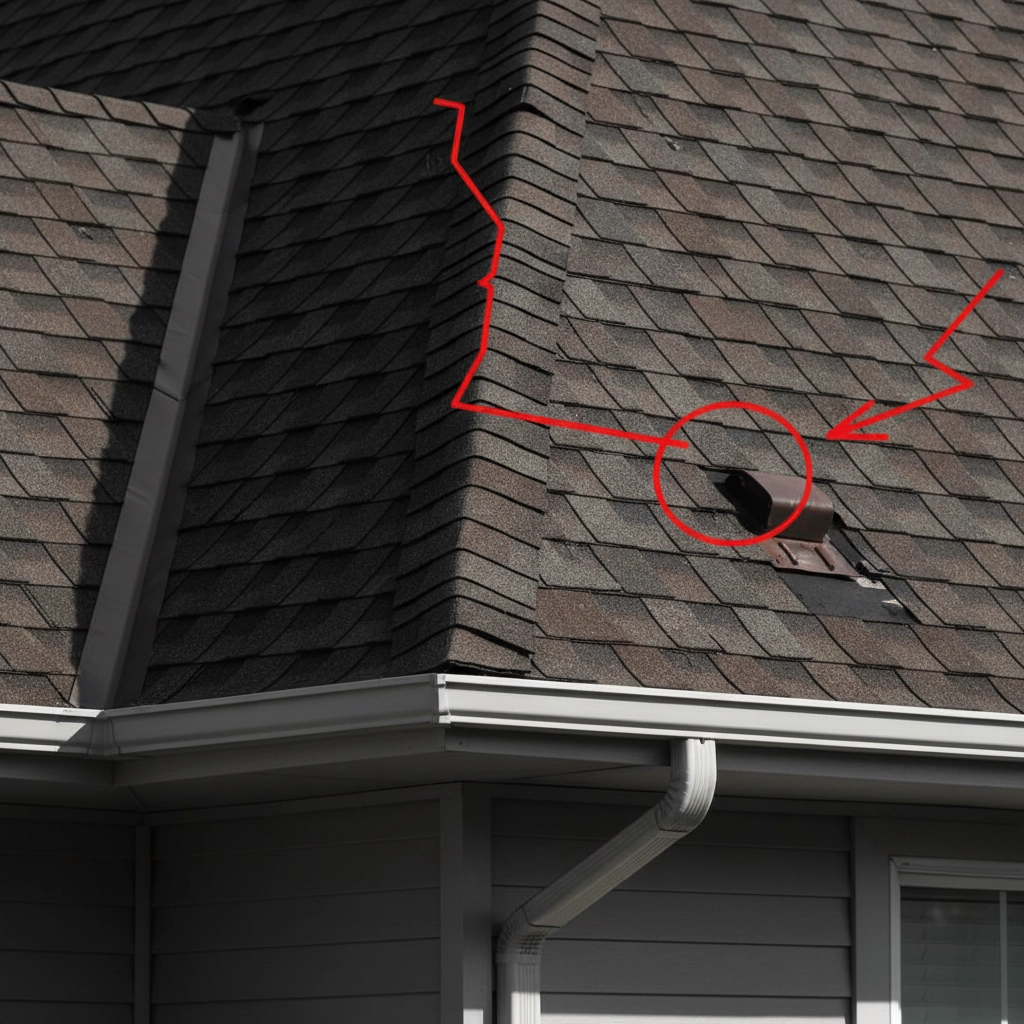
Fall storms can be particularly rough on roofs, and missing or damaged shingles create easy entry points for winter precipitation. From ground level, take a careful look at your roof's surface, checking for any shingles that appear curled, cracked, or completely missing.
Pay special attention to areas that get heavy wind exposure: typically the corners and edges of your roof. Dark spots or "bald" patches on shingles indicate granule loss, which weakens your roof's ability to shed water effectively. If you notice piles of granules collecting in your gutters or around your downspouts, it might be time to start thinking about replacement.
While you're looking up, also check for any loose or damaged flashing around chimneys, vents, and skylights. These are common trouble spots where water can sneak in and cause problems.
3. Check Your Attic for Warning Signs
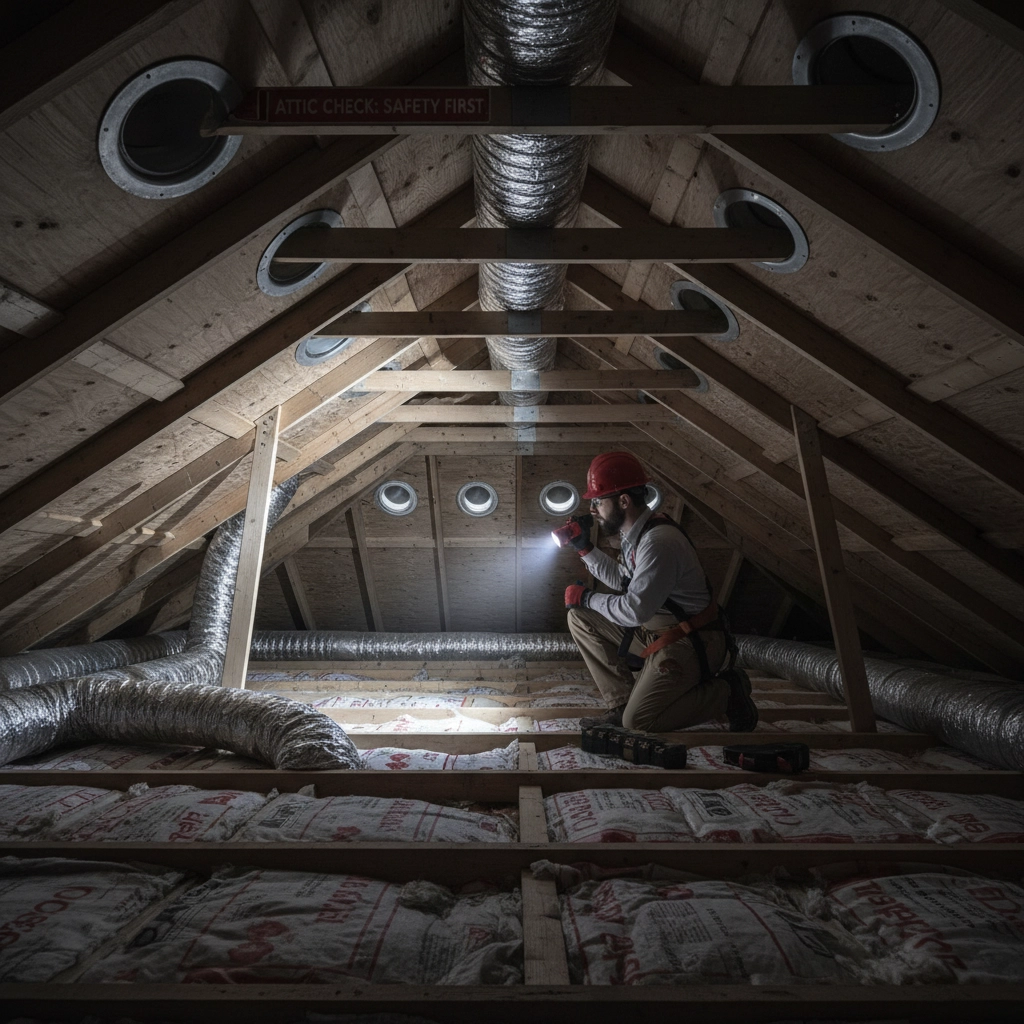
Before your holiday guests arrive, grab a flashlight and head up to your attic for a quick inspection. This is where you'll spot early signs of roof problems before they become expensive disasters.
Look for any water stains on the wooden beams, damp or compressed insulation, or spots where daylight is visible through the roof deck. Dark stains, mold growth, or musty odors are all red flags that water has been getting where it shouldn't be.
Also check that your attic insulation isn't blocking the eave vents: proper airflow is crucial for preventing ice dams and moisture buildup during winter. If you notice frost forming on the interior roof surface or warm spots that suggest heat loss, you may need to improve your insulation or ventilation system.
4. Remove Debris and Trim Overhanging Branches
Leaves, twigs, and other debris don't just look unsightly on your roof: they can actually cause serious damage by trapping moisture against your shingles and accelerating deterioration. Moss growth is particularly problematic and can lift shingles, creating gaps for water infiltration.
Take time to clear any accumulated debris from your roof's surface, paying special attention to valleys where materials tend to collect. If you have trees close to your house, look for heavy branches that could potentially snap under the weight of snow or ice and crash onto your roof.
Consider having overhanging branches trimmed back at least 6 feet from your roofline. This not only reduces the risk of storm damage but also cuts down on the amount of debris that ends up on your roof throughout the year.
5. Examine Flashing and Sealants Around Roof Penetrations
Flashing around chimneys, vent pipes, skylights, and other roof penetrations are among the most common sources of leaks. These areas take a beating from temperature changes, UV exposure, and weather, causing sealants to crack and metal flashing to deteriorate over time.
Look for rust spots, gaps in the sealant, or any flashing that appears loose or damaged. Pay particular attention to step flashing along walls and chimney bases: these areas are especially vulnerable to water infiltration.
If you notice any issues with flashing or sealants, it's worth having a professional roofer in Salisbury take a closer look. These repairs are typically quick and affordable when caught early, but can lead to expensive interior damage if ignored.
6. Test Your Roof's Drainage System
With winter weather approaching, your roof's ability to shed water efficiently becomes critical. Walk around your property during or just after a rainstorm to observe how water flows off your roof and through your gutter system.
Watch for any areas where water seems to pond or drain slowly: these spots are vulnerable to ice dam formation when temperatures drop. Look for water overflowing from gutters, which could indicate blockages or inadequate capacity for your roof's square footage.
Check that all downspouts are securely attached and directing water away from your foundation. Any loose connections or damaged sections should be repaired before winter weather arrives.
7. Schedule a Professional Inspection
While homeowner inspections are valuable for spotting obvious problems, there's no substitute for having an experienced professional evaluate your roof's condition. A qualified contractor has the training, equipment, and insurance needed to safely access your roof and identify subtle issues that could become major problems.
This is especially important if your roof is over 15 years old, if you've noticed any interior water stains or leaks, or if you've had significant storms recently. Many Salisbury roofers offer comprehensive inspection services that include detailed reports and recommendations for any needed repairs.
Professional inspections typically cost much less than emergency repairs, and many roofing companies in Salisbury MD will credit the inspection fee toward any work you decide to have done.
Don't Wait Until It's Too Late
Just like you wouldn't wait until Christmas morning to start cooking the turkey, don't put off roof maintenance until you're already dealing with leaks and damage. Taking care of these seven inspection items now: while the weather's still manageable: can save you thousands of dollars in repairs and ensure your home stays comfortable throughout the holiday season.
Remember, your roof is your home's first line of defense against the elements. By keeping it in good condition, you're protecting not just your property investment, but also the safety and comfort of everyone who gathers under your roof this holiday season.
If you discover any issues during your inspection, don't hesitate to contact experienced roofing Salisbury MD professionals who can help you address problems before they become emergencies. After all, the best gift you can give your family is the peace of mind that comes from knowing your home is secure, dry, and ready for whatever winter weather brings to the Eastern Shore.
Peninsula Roofing Company has been helping Delmarva families protect their homes since 1947, and we understand how important it is to keep your roof in top condition year-round. If you need professional assistance with any of these inspection items, contact us for a thorough evaluation and honest recommendations.
Comments