The Cedar Standard: Real Shake, Synthetic Alternatives, and the Cost of Timeless Style
- sean fahey
- Feb 19
- 6 min read

Walk through any historic neighborhood in Salisbury, MD, and you'll spot them, those gorgeous cedar shake roofs that age into that silver-gray patina everyone's always chasing. There's something about cedar that screams "timeless elegance," whether it's crowning a 1920s Colonial or a modern farmhouse trying to capture that rustic vibe.
But here's the thing: not all cedar roofs are created equal, and the decision between natural cedar and synthetic alternatives isn't as straightforward as you might think. After 75+ years in the roofing business (yeah, we've been protecting Delmarva since 1947), we've installed enough cedar to know exactly what goes into a quality installation, and why your neighbor's quote might be thousands different from yours.
Shingles vs. Shakes: What's the Actual Difference?
Most people use these terms interchangeably, but they're not the same animal at all.
Cedar shingles are sawn on both sides, giving you a smooth, uniform appearance. They're thinner, typically about 3/8 to 1/2 inch at the butt, and they lie flatter on the roof. Think clean lines and a more refined look, perfect for Cape Cods and traditional colonials.
Cedar shakes are hand-split (or at least split on one side), which creates that chunky, rustic texture everyone associates with mountain lodges and historic buildings. They're thicker, up to an inch at the butt, and that irregular surface creates deeper shadow lines and more visual interest. The trade-off? They're more labor-intensive to install and require additional underlayment between each course.
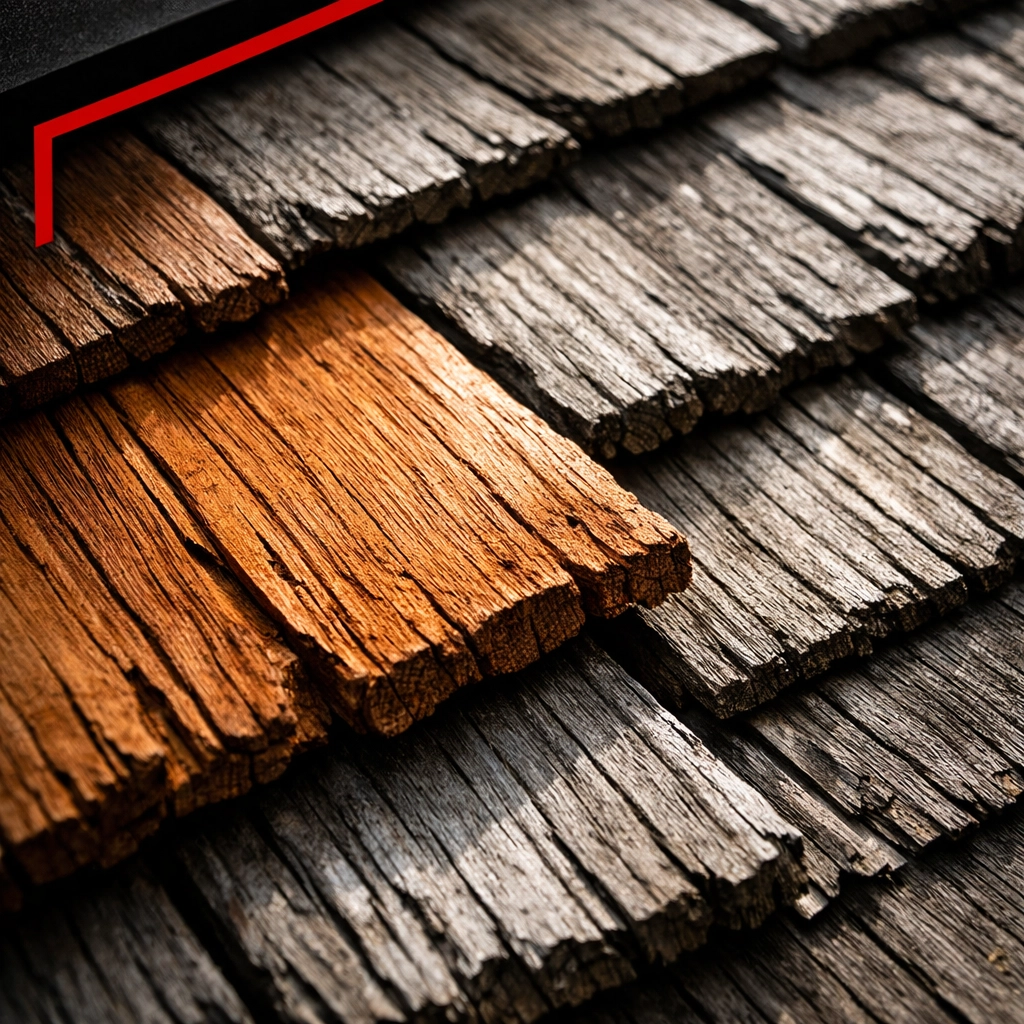
The installation process differs significantly too. Shakes need an 18-inch-wide strip of roofing felt (called an "interlay") between each course to prevent water from working its way through those irregular surfaces. Shingles don't require this extra step, which is one reason they're slightly less expensive to install.
What Makes a Premium Cedar Roof
Not all cedar is created equal, and this is where things get interesting. The gold standard is Western Red Cedar from the Pacific Northwest, specifically old-growth timber that's naturally resistant to rot, decay, and insect damage thanks to its high concentration of natural oils called thujaplicins. Alaskan Yellow Cedar is another premium option, known for being even more durable and stable than Western Red.
Here's what separates a quality cedar roof from a mediocre one:
Grade matters. Number 1 (Blue Label) is your top-tier grade, 100% clear, edge-grain, heartwood. Number 2 (Red Label) is still solid but allows some limited sapwood and defects. For most residential applications, we recommend Blue Label for maximum longevity.
Proper fastening is non-negotiable. We're talking stainless steel fasteners only, not galvanized, not regular nails. Cedar's natural acidity will corrode anything less, and you'll end up with fastener failure long before the cedar itself gives out. (If you want the full story on fastener failure, check out our post on metal roof fasteners, different material, same principle.)
Ventilation and spacing. Cedar needs to breathe. That means proper attic ventilation, and each shake or shingle needs about 1/8 to 1/4 inch of space on either side for expansion. Skip this step, and you'll see premature cupping and warping.
The Price Tag (and Why It's Worth It)
Let's talk numbers, because this is where most homeowners experience sticker shock.
As of 2026, a premium natural cedar shake roof will run you anywhere from $18 to $28+ per square foot installed, significantly higher than the $14 to $18 you'd pay for synthetic alternatives, and light-years beyond the $4 to $7 for standard asphalt shingles. For a typical 2,000-square-foot roof, you're looking at $36,000 to $56,000 or more.
Why so expensive? Three main factors:
Material sourcing. Western Red Cedar is a premium product that's become increasingly scarce. Old-growth timber is largely protected now (and rightfully so), which means the supply chain is tighter than it used to be. Add in 2026 inflation trends and transportation costs from the Pacific Northwest to the East Coast, and you're paying a premium before the first shake hits your roof.
Skilled labor. Here's the honest truth: not every roofing crew can install cedar properly. It's a specialized skill that requires understanding wood movement, proper exposure rates, and installation techniques that differ significantly from standard shingles. At Peninsula Roofing, we've been doing this since 1947, so we've got the experience, but quality craftsmanship commands a higher labor rate.
Installation complexity. Cedar takes longer to install. Period. Each shake needs to be individually placed, properly spaced, and fastened with precision. Shakes require that interlay between courses. Valleys, hips, and ridges all need custom metalwork. It's not a "slap it down and move on" situation.
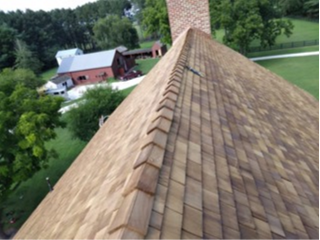
But here's what you get for that investment: a roof that, with proper maintenance, will last 30 to 40 years and develop that iconic weathered patina that synthetic materials can only hope to imitate. Natural cedar is also one of the most environmentally friendly roofing materials available, it's renewable, biodegradable, and requires less energy to produce than synthetic alternatives.
Natural Cedar vs. Synthetic: The Real Talk
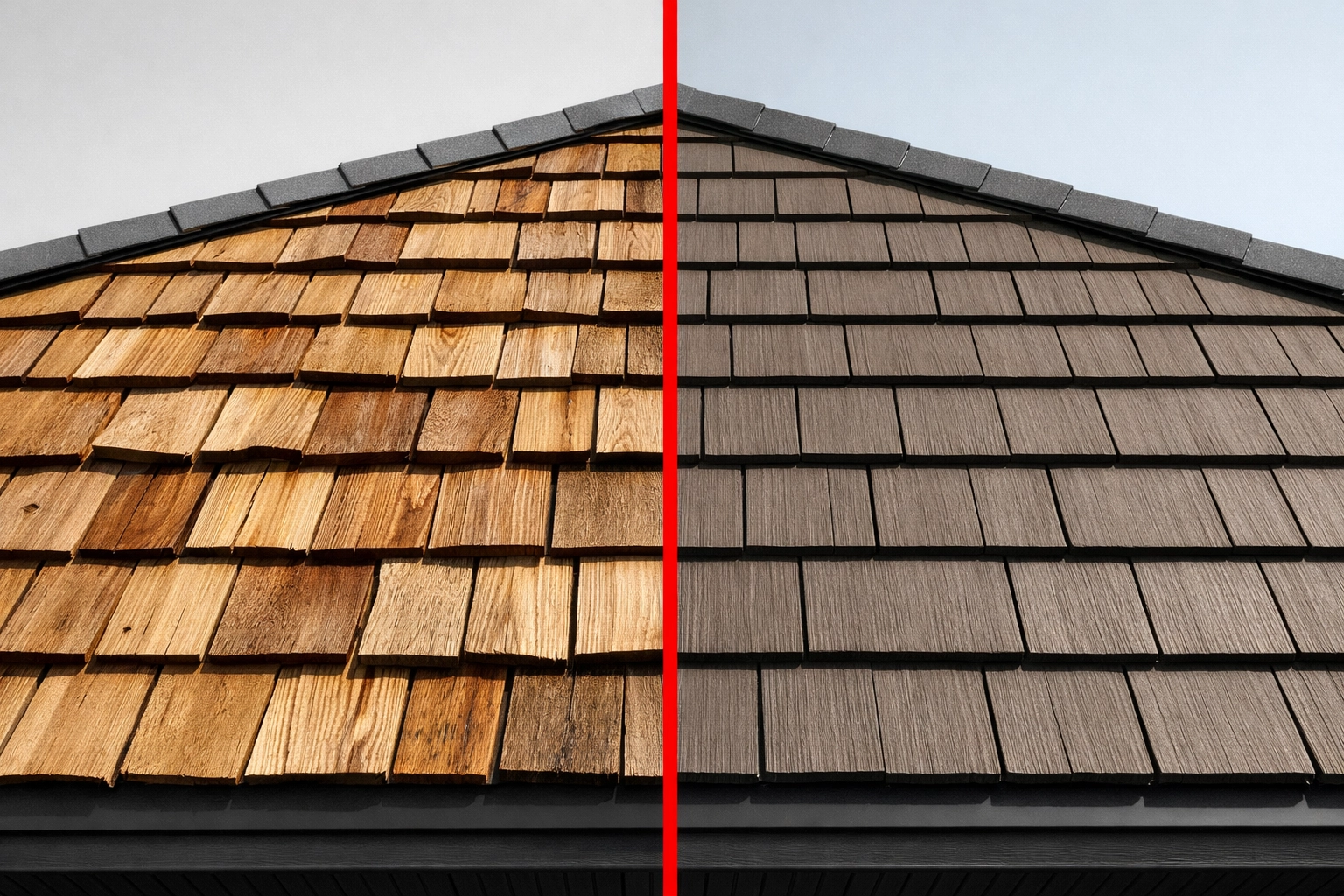
The synthetic shake industry has come a long way. Modern products made from recycled rubber and plastics can replicate the look of cedar with impressive accuracy, deep grooves, realistic grain patterns, multiple color options. And the performance numbers are compelling: 40 to 50+ year lifespans, Class 4 impact ratings, virtually zero maintenance required.
So why would anyone choose natural cedar?
The aging process. Natural cedar transforms over time, developing that silver-gray patina as UV rays break down the lignin in the wood. Every roof ages differently based on sun exposure, orientation, and local climate. It's a living material that tells a story. Synthetic shakes stay the same color, which some people love for consistency, but others find... well, a bit boring.
Historic authenticity. And this is where things get really important for Salisbury homeowners with older properties.
Texture and depth. There's still something about hand-split cedar that synthetic can't fully replicate: the irregular thickness, the way light plays across the surface, the subtle variations in grain and color. It's the difference between hardwood floors and laminate: both can look great, but one has a depth that the other just can't match.
Environmental considerations. Natural cedar is harvested from renewable forests and biodegrades at the end of its life. Synthetic shakes, while often made from recycled content, are still plastic products that'll be around for centuries in a landfill. Pick your environmental priority.
The maintenance factor is real, though. Natural cedar requires treatment every 1-3 years to prevent rot, mildew, and insect issues. Synthetic? Spray it with a hose occasionally and call it a day.
Historic Buildings: A Different Ballgame
If you're dealing with a historic property in Salisbury: and we've worked on plenty of them over our 75 years in business: the rules change significantly.
Historic district guidelines and preservation requirements often mandate that you match the original roofing material, texture, and even size. That gorgeous Victorian on Camden Avenue? You can't just slap synthetic shakes on it and call it done. The local historic preservation commission will have something to say about that.
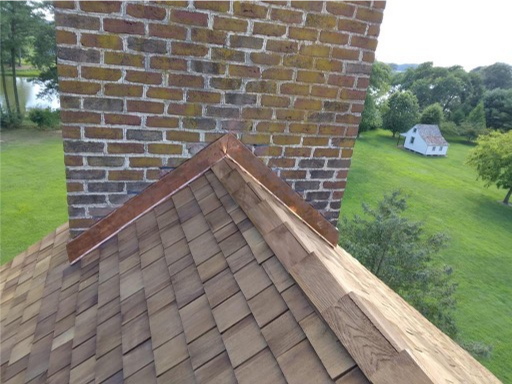
Salisbury's specific guidelines typically require:
Complete removal of all existing layers down to the roof deck. No layovers on historic buildings: ever. This allows for proper inspection of the underlying structure and ensures you're not hiding problems that could accelerate deterioration.
Matching original texture and size. If the original roof had 18-inch hand-split shakes with a heavy texture, that's what you're replacing it with. Period. This often means sourcing specialty materials that aren't sitting in your average lumberyard.
Specialized installation techniques that respect the original construction methods while incorporating modern weatherproofing strategies. It's a balancing act between preservation and performance.
This is where working with experienced roofing companies in Salisbury MD becomes critical. We've navigated these requirements countless times, and we understand how to satisfy preservation standards while giving you a roof that'll actually protect your investment.
The Bottom Line
Cedar roofing: whether natural or synthetic: represents a significant investment in your home's curb appeal and protection. Natural cedar gives you authentic beauty and environmental benefits but demands ongoing maintenance. Synthetic alternatives offer durability and convenience but can't always substitute for natural materials on historic properties.
If you're considering a cedar roof for your Salisbury home, the key is working with a roofing contractor who understands the nuances: from proper material selection to specialized installation techniques to navigating historic preservation requirements.
At Peninsula Roofing Company, we've been doing Salisbury roofing since 1947, and we've seen every cedar roof scenario imaginable. Whether you're restoring a historic gem downtown or building a new custom home on the outskirts, we've got the expertise to do it right.
Got questions about cedar roofing for your property? Need emergency repairs after the next Delmarva storm? We're available 24/7 because your roof doesn't care what time it decides to leak. Contact us and let's talk about what makes sense for your specific situation.
Because at the end of the day, a roof is only as good as the people who install it: and we've had 75+ years to perfect our craft.
Comments