The Cost of Compliance: Why Your 2026 Commercial Roof Quote Includes These 'Hidden' Safety Upgrades
- sean fahey
- Feb 12
- 7 min read

You just got a quote for your commercial roof replacement, and the number is... higher than you expected.
A lot higher.
Before you start calling around to compare roofing companies in Salisbury MD, here’s the thing: a big chunk of that cost usually isn’t your roofer padding the bill.
It’s compliance.
Building codes, safety regs, and insurance requirements have gotten a lot stricter over the last few years. And 2026 added even more.
What used to be “replace the roof” is now “replace the roof and meet a pile of standards that hit your materials, details, and labor.”
As a commercial property owner in the Salisbury/Delmarva area, you deserve to know what you’re paying for—so let’s break down the real reasons your quote looks the way it does.
Roofer Salisbury Shock #1: The Roof Hatch Rails That Triples the Cost
This is the one that catches almost everyone off guard:
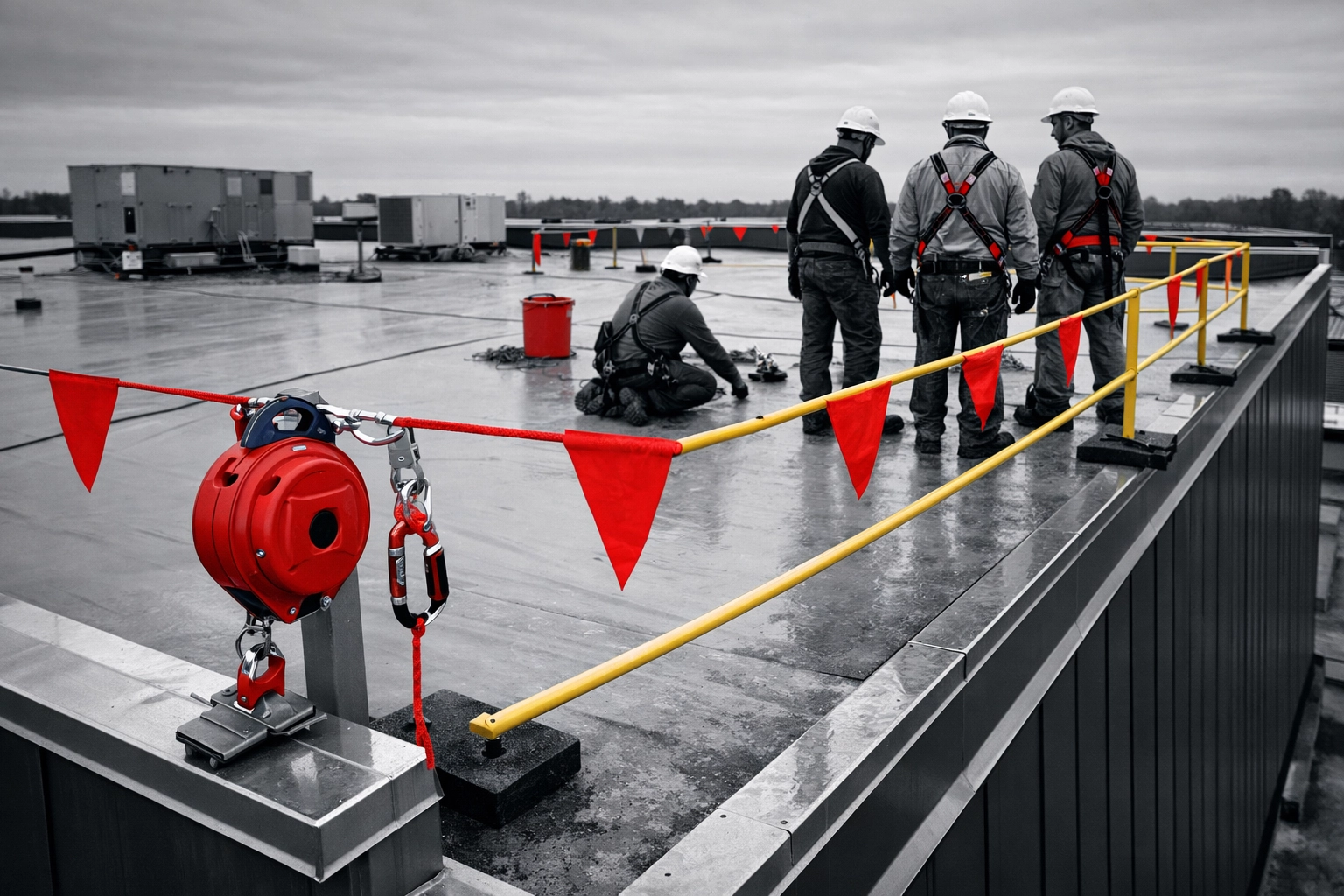
If your roof hatch is within 10 feet of a roof edge, current safety rules typically require permanent safety rails.
And no—this isn’t a basic railing from the hardware store. These are engineered fall protection systems built to meet OSHA specs.
Why it hits so hard
The result is simple: the hatch package can triples the cost once guardrails, layout constraints, and proper attachment are accounted for.
What the rails have to include (in plain English)
OSHA fall protection requirements apply to roofing work on structures 6 feet or higher, and that includes permanent access points like hatches. Guardrails generally need to be:
Built with required components (like toeboards where applicable)
Installed at specific height ranges (34–39 inches)
Able to handle specific load requirements
If the hatch is close to the edge, there’s usually no “optional upgrade” here. The safety system is part of doing the job legally—and safely.
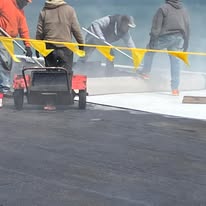
Is it expensive? Yep.
But it also protects anyone who needs roof access later (maintenance crews, HVAC techs, inspectors, emergency repairs, you name it). Any reputable roofer in Salisbury will include it because cutting corners on safety isn’t an option.
Insulation R-Values: The Code Numbers That Move Your Quote
If you’re comparing your 2026 quote to what a similar roof cost five years ago, insulation is often the smoking gun.
The important part: the “right” R-value depends on whether it’s commercial vs. residential, and how the insulation is installed.
Commercial roofs (typical minimums around here)
For commercial roofs in our area, the minimum is typically R-30.
That matters because higher R-value usually means:
Thicker insulation boards (or more layers)
More adhesive/fasteners
More labor time
The continuous insulation nuance (this trips up budgets)
If the roof is continuously insulated, the minimum can be 4.5" of insulation (roughly R-24.7).
But here’s the budget gotcha: that’s the base requirement before tapered insulation is added for drainage.
So the “code minimum” and the “what we actually have to build” can be two different numbers once slope is designed in.
Residential roofs (above-deck insulation is a different animal)
For residential roofs where all insulation is above the roof deck, code requires R-49 for residential.
That higher R-value can spike costs fast because it often means:
Significantly more material thickness
More labor
More complicated edge/transition details (flashings, term bars, etc.)
Why the R-numbers hit your budget
Insulation isn’t a tiny line item anymore. Going from roughly R-24.7 / R-30 to R-49 isn’t “a little extra foam.”
It can affect:
Material quantities
Install time
Roof height at transitions
Whether other components have to change to match the thicker assembly
When roofing companies in Salisbury MD price out your job, they’re not guessing. They’re building an assembly that meets code, passes inspection, and still works in the real world (including drainage).
Wind Uplift & ES-1 Edge Metal: Coastal Protection Isn’t Optional
Living on the Delmarva Peninsula has perks.
It also means we’re in a higher wind zone—and the codes (and insurers) take that seriously.
What’s changed
ES-1 edge metal has become the standard for commercial roofs in our area, especially closer to the coast.
This isn’t the lightweight edge trim that used to slide by. ES-1 profiles are heavier, stronger, and designed to resist wind uplift.
Why edges matter so much
Wind doesn’t just blow over your roof.
It creates suction that tries to peel the system up—starting at the perimeter.
ES-1 edge metal is designed (by weight/profile/testing) to keep the membrane and perimeter locked down during storms.
Insurance and FM requirements
Insurance companies are paying attention. Many commercial policies now want proof of wind-rated roof systems.
And FM Global compliance often calls for ratings like:
FM 1-90
FM 1-120
(Which one depends on location, exposure, and the specific building.)
This upgrade adds cost, no question. But compared to a perimeter failure during a big storm—repairs + downtime—it’s usually money well spent.
Salisbury Roofing Savings Tip: The Slope Detail That Can Save You a Fortune
Ponding water is bad news. It beats up the membrane, adds stress, and makes leaks more likely.
So yes—positive drainage matters.
The slope rule (new build vs. reroof)
Here’s the part that can save you real money:
New construction typically requires 1/4" per foot
Reroofs (replacements) can still use 1/8" per foot for reroofs
That one little fraction change can be the difference between a reasonable roof budget and a “how did this get so expensive?” project.
Why 1/8" per foot for reroofs is a huge budget win
When you can design at 1/8" instead of 1/4", you often get a thinner tapered insulation package, which can mean:
Less insulation material (big savings)
Less added weight on the existing structure
Fewer clearance problems at rooftop details
And that last point is the one that really stings owners when it’s missed.
A thicker roof system can force you into collateral work just to meet manufacturer clearance requirements, like:
Rebuilding or raising HVAC units/curbs
Modifying access doors
Reworking wall flashings and terminations
That’s how a reroof quietly turns into multiple construction projects.
Bottom line
Knowing the difference between 1/4" (new) and 1/8" (reroof) can save a property owner a fortune—not because it’s “less quality,” but because it can prevent a chain reaction of expensive rooftop and wall modifications.
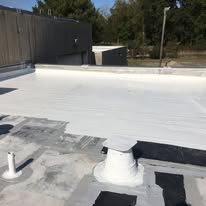
When experienced roofers in Salisbury MD include tapered systems in your quote, they're not upselling you: they're making sure the roof drains, meets code, and doesn’t accidentally trigger a pile of avoidable collateral construction costs.
Fire Ratings, Ice & Water Shield, and System Certification
After the big “shock” items, there are smaller compliance pieces that still add up.
Common add-ons you’ll see in a 2026 quote
Class A Fire Ratings: Most jurisdictions require these now. It’s not just the membrane—the whole assembly (membrane, insulation, cover board, etc.) has to meet fire testing. Fire-rated components typically cost more, but they’re required.
Ice & Water Shield: Required at eaves, valleys, and other leak-prone areas in our climate zone. Salisbury isn’t the tundra, but we get enough freeze/thaw to make this a real risk reducer.
FM Global System Certification: More insurers require it. The roof isn’t treated as random parts—it’s a tested system (membrane + insulation + fasteners/adhesives) that has to match what’s listed in FM’s RoofNav. That limits mix-and-match options, which can push costs up.
The 2026 Factor: OSHA + PPE Changes That Affect Labor
If you’re wondering why quotes feel higher this year in particular, 2026 brought more changes.
OSHA has rolled out updates like:
Stricter PPE fit requirements
A Heat Illness Prevention Standard (a big deal for summer roofing)
Enhanced silica enforcement
These don’t change your roof materials directly, but they can affect labor cost and project timelines.
Good roofing companies in Salisbury MD build those compliance realities into estimates so the job doesn’t get stalled, red-tagged, or forced into rework later.
Peninsula Roofing: 75+ Years of Navigating Code Compliance
Look, we get it.
Nobody likes seeing a big number on a roof quote.
But once you understand what’s driving it, the quote usually makes a lot more sense.
These aren’t “mystery markups.” They’re the real costs of installing a roof system that meets 2026 safety standards, energy codes, and insurance requirements.
At Peninsula Roofing Company, we’ve been serving Delmarva—including Salisbury MD—for 75+ years (since 1947). We’ve lived through a lot of code changes, and we’ve helped owners find the most cost-effective way to stay compliant.
That experience matters because we know:
Where a repair makes more sense than a replacement
Where you can save money without cutting corners
And where you can’t (because it won’t pass inspection, or it won’t perform)
One quick tip when comparing quotes
Make sure you’re comparing apples to apples.
A suspiciously low bid can mean someone left out required safety features or built a non-compliant assembly that won’t pass.
We believe in transparency. We break down the quote so you know what you’re getting—and why.
The Bottom Line
Commercial roofing costs have gone up, and compliance is a big reason why.
But these standards exist for a reason. They make buildings safer, more energy-efficient, and more storm-resistant.
A properly compliant roof isn’t just “passing inspection.” It can mean:
Better insurance outcomes
Lower energy bills
Longer roof life
Less risk during severe weather
If you want help understanding what’s actually required for your building, reach out to us.
We’ll walk you through the code items that apply, show you where the costs come from, and help you avoid unnecessary extras—no surprises, just straight answers.
Ready for a compliant quote from trusted Salisbury roofers?
Contact Peninsula Roofing Company, Inc. for a code-compliant roof replacement or repair. If you’re comparing roofers in Salisbury MD or other roofing companies Salisbury MD, we’ll help you compare apples to apples and build the right system for your building.
Because with roofing Salisbury MD, the cheapest quote isn’t always the best value. The best value is the roof that’s built right the first time—by Salisbury roofers you can count on.
Comments