The Evolution of Roofing Materials in America: From Colonial Days to Modern Innovations
- sean fahey
- Dec 12, 2025
- 5 min read

Ever wonder why your neighbor's house has asphalt shingles while that historic building downtown sports beautiful slate? The story of American roofing is a fascinating journey through centuries of innovation, practicality, and sometimes pure necessity. From the first European settlers splitting wood by hand to today's solar-integrated smart roofing systems, the materials protecting our homes tell the story of America itself.
The Humble Beginning: Wood Shingles Rule the New World
When European settlers first arrived in North America, they faced a simple reality: the continent was covered in forests, and they needed shelter fast. Wood shingles, also called "shake," became the obvious choice. With abundant timber and basic tools, colonists could split cedar, pine, and oak into protective roof coverings that were lightweight and relatively easy to install.
But there was a catch: these wooden roofs were essentially kindling waiting for a spark. Colonial cities lived in constant fear of fire, especially after hearing tales of London's Great Fire of 1666. To combat this, ingenious 18th-century Americans began treating their wood shingles with pine pitch, linseed oil, and brick dust, creating some of the earliest weatherproofing treatments in the New World.
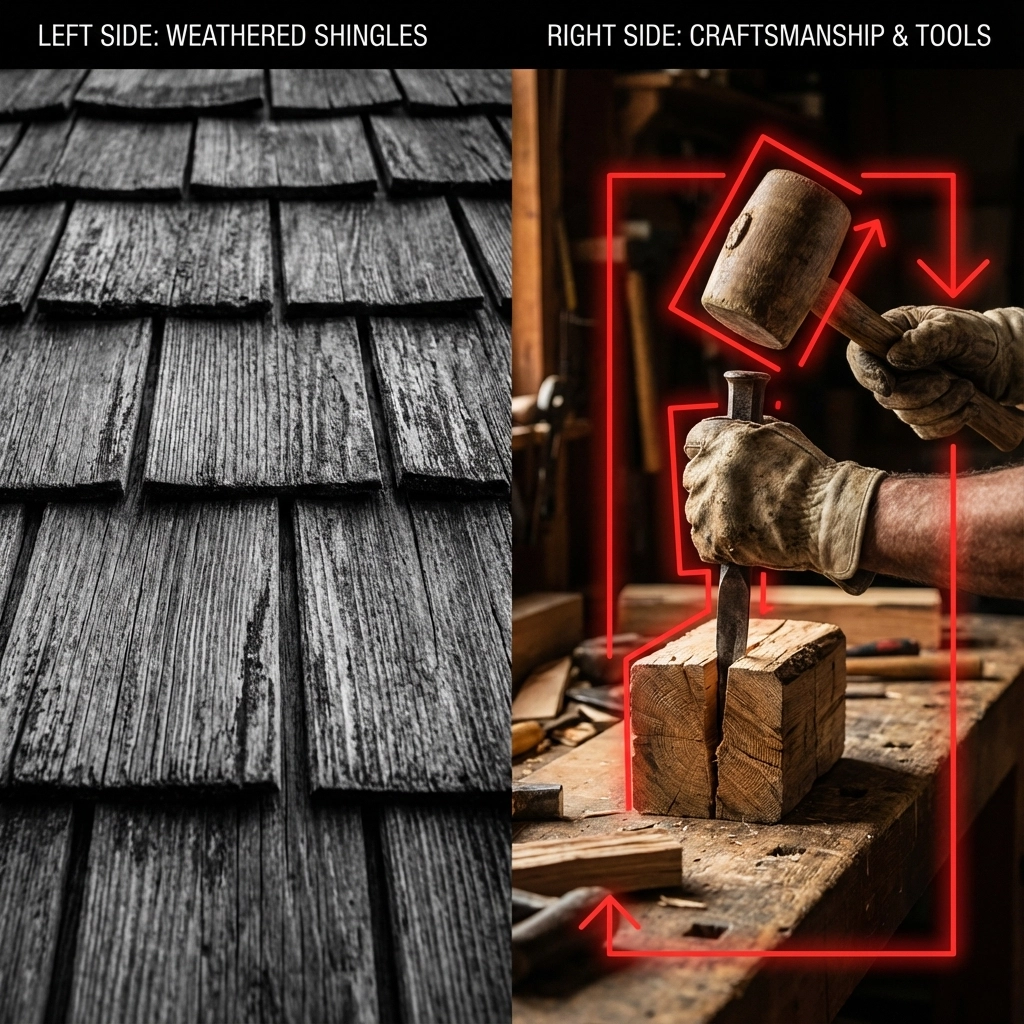
Fun Fact: The term "shake" comes from the splitting process: shingles were literally "shaken" from logs using a froe (a cleaving tool) and wooden mallet.
Clay Tiles: Learning from Spanish Settlers
By the mid-1600s, fire-resistant clay tiles began appearing on American roofs. The Spanish colonists in the Southwest brought centuries-old European tile-making knowledge, while local Native American tribes had already been using clay for roofing. These barrel tiles and flat tiles weren't just practical: they helped create the distinctive architectural style we still see throughout California, Arizona, and the Southwest today.
The real game-changer was accessibility. Clay was abundant, especially in the Southwest, and the tiles provided crucial fire resistance that wood simply couldn't match. Many of those original Spanish colonial buildings with clay tile roofs are still standing today, testament to the material's incredible durability.
Slate: The Aristocrat of Roofing
Slate was the luxury choice of early America, but initially only for those who could afford to import it from Wales. Everything changed in the mid-1800s when American railroads and canals made domestic slate quarries accessible. Suddenly, this premium material became available to middle-class homeowners, particularly in the Northeast where natural slate deposits were discovered.
By the 1930s, slate had reached peak popularity. Its imperviousness to harsh weather and natural beauty made it the crown jewel of American roofing. Vermont, Pennsylvania, and Wales quarries supplied slate that topped everything from modest homes to grand civic buildings.
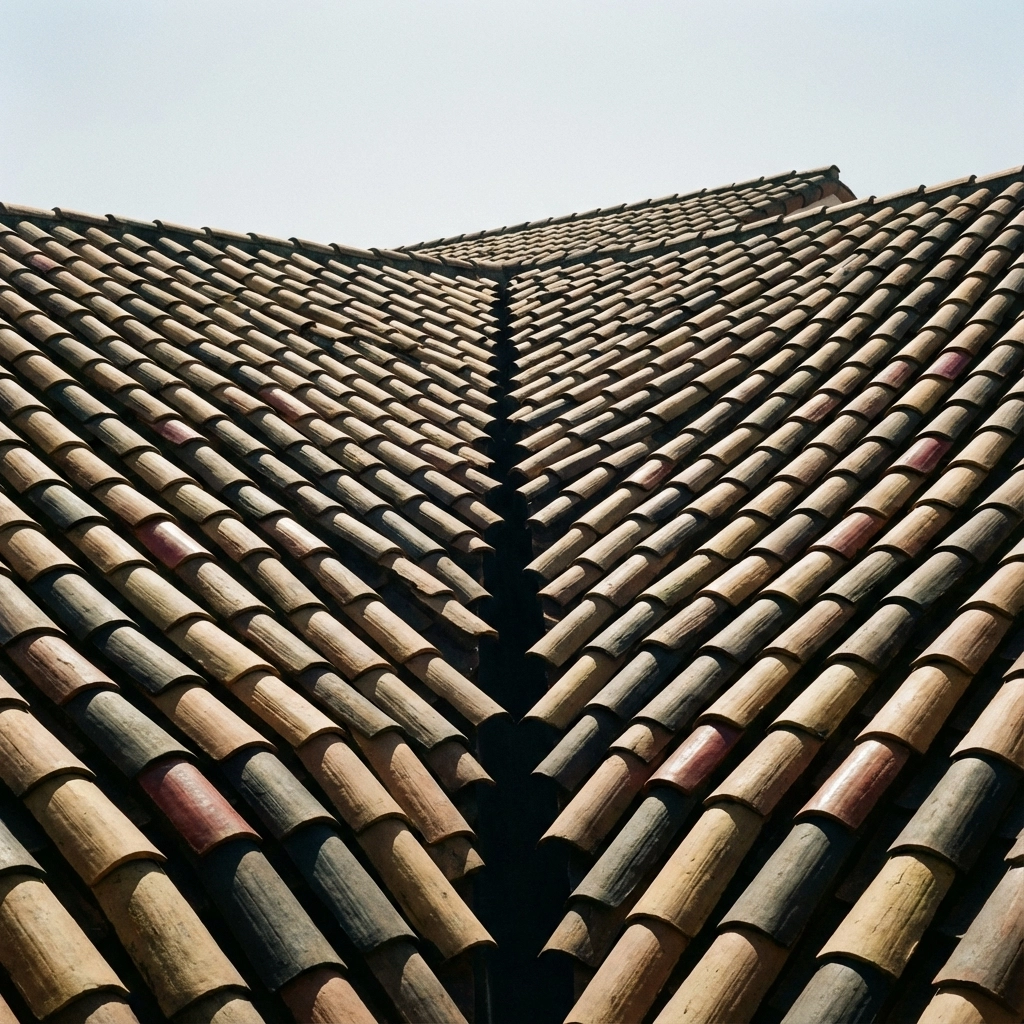
Milestone Moment: The development of American transportation infrastructure in the 1800s transformed slate from an elite luxury to a middle-class possibility, reshaping the appearance of entire neighborhoods.
The Metal Revolution: From Copper to Corrugated Iron
Metal roofing tells the story of American industrial might. Early metal roofs featured copper sheets: Christ Church in Philadelphia still showcases its original copper roof. But the real revolution came with corrugated iron in the 1800s. This innovation, first patented in England, allowed metal sheets to span greater distances with lighter framework.
The galvanizing process, developed in France, solved iron's rust problem by coating it with zinc. By the 1850s, American rolling mills were producing affordable tin plate that topped post offices, homes, train sheds, and factories. The Philadelphia Mint got one of the South's first metal roofs in 1857.
In Florida, settlers known as "crackers" embraced galvanized metal roofs for their hurricane resistance and fire protection: practical choices that helped families survive the stormy season. The embossed tin shingles of the late 1800s became so popular that many examples still crown historic homes today.
Asphalt Shingles: The Game Changer
The 1920s brought the innovation that would transform American neighborhoods forever: asphalt shingles. Engineered specifically for American climates, these shingles combined cellulose or fiberglass bases with granulized materials like oyster shells, clay, and slate, sealed with resins and adhesives.
The progression was remarkable:
1892: Ready-to-lay asphalt roll roofing introduced
1904: Colored granules embedded for UV protection and lasting color
1912: Individual cut asphalt shingles created a modular system
1967: GAF developed the Timberline® dimensional shingle, revolutionizing both appearance and performance
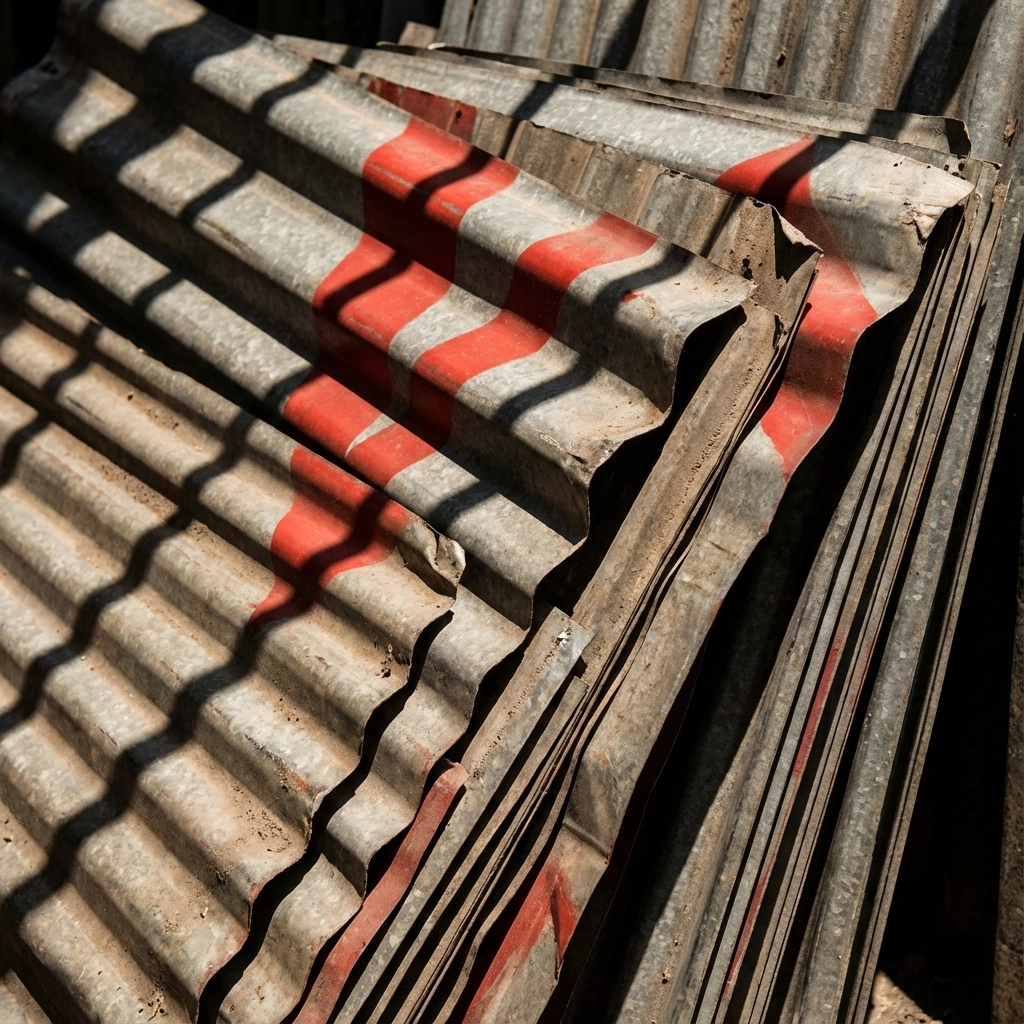
The Numbers: Asphalt shingles quickly captured the American market because they were affordable, durable, and easy to install: perfect for the booming suburban development of the 20th century.
Innovation Continues: Mid-Century Advances
The 1930s brought rolled roofing as a faster alternative to traditional shingles, while manufacturers continued refining existing materials. In 1936, W.F. Norman Manufacturing created stamped sheet metal roof tiles that looked like clay but weighed less and cost a fraction of the price.
Republic Steel Company innovated in 1939 with large corrugations that spanned longer distances while using less metal: efficiency that helped fuel America's building boom. Built-up roofing, invented in the late 1800s, enabled flatter commercial roofs that would define the modern American skyline.
Modern Marvels: Today's Roofing Renaissance
Today's roofing landscape would amaze those early colonists. We now have:
Composite Materials: Engineered shingles that mimic slate, wood, or tile while offering superior durability and lighter weight.
Solar Integration: Photovoltaic systems that generate electricity while protecting homes, turning roofs into power plants.
Cool Roofing: Reflective materials that reduce energy costs and urban heat islands.
Impact-Resistant Options: Shingles designed to withstand severe weather, crucial as climate patterns intensify.
Smart Technology: Sensors that monitor roof conditions and alert homeowners to potential issues.
Even cedar shingles have made a comeback in high-end applications, prized for their natural beauty and sustainability credentials. Modern treatment methods have solved many of the fire and durability issues that plagued early wood roofing.
How Materials Shaped America's Skyline
The evolution of roofing materials literally shaped how America looks. Colonial wood shingles created the distinctive steep-pitched roofs of New England. Spanish clay tiles defined Southwestern architecture. Slate topped the grand homes of the Gilded Age. Asphalt shingles enabled the ranch houses and suburbs of post-war America. Modern materials now allow architectural creativity that our ancestors couldn't imagine.
Each innovation responded to specific challenges: fire safety, weather protection, cost, and available materials. The choices made by builders and homeowners across centuries created the diverse, beautiful roofscape that defines American neighborhoods today.
Looking Forward
As we face new challenges: climate change, energy efficiency, sustainability: roofing materials continue evolving. Solar roof tiles, recycled content shingles, and smart monitoring systems represent the latest chapter in this ongoing American story.
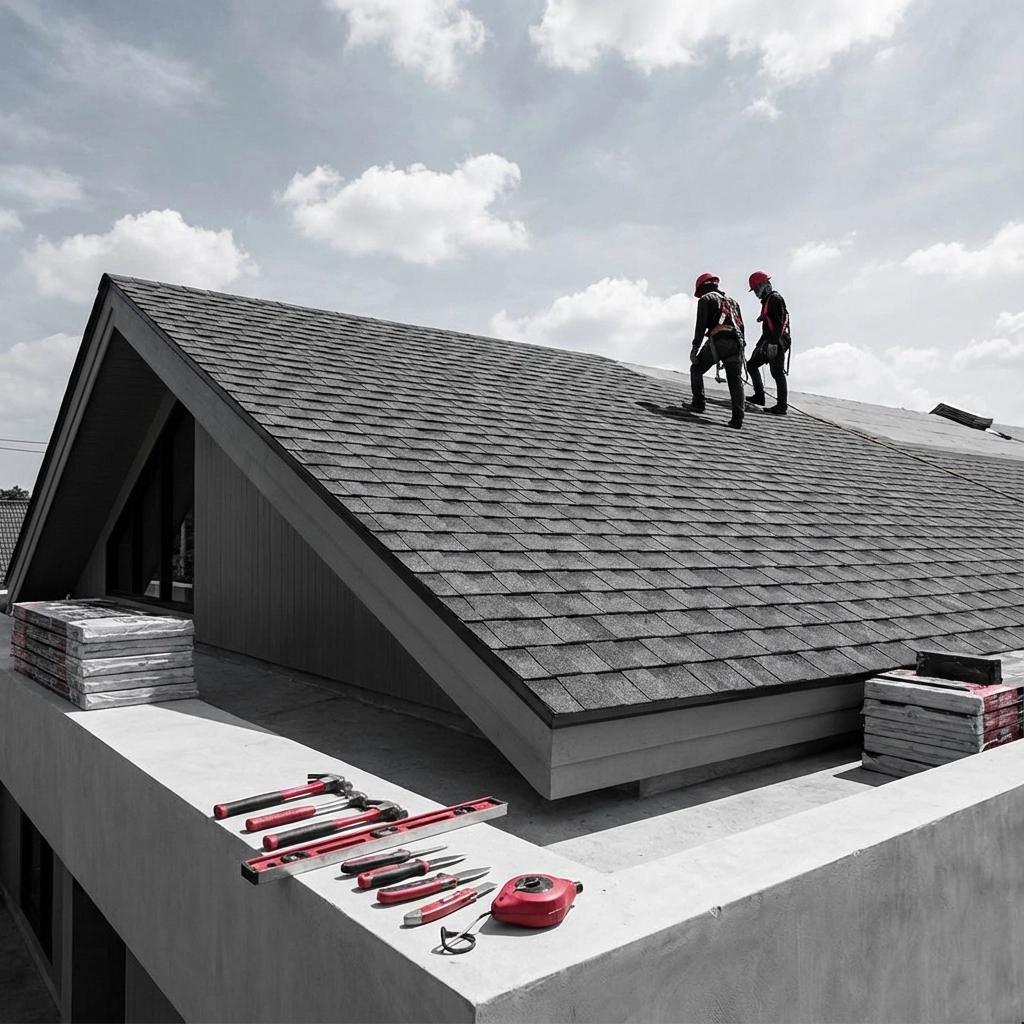
The next time you drive through your neighborhood, take a moment to appreciate the roofs overhead. Each one tells a story of innovation, adaptation, and the endless American drive to build better, safer, and more beautiful homes. From those first colonial wood shakes to tomorrow's integrated solar systems, the evolution continues.
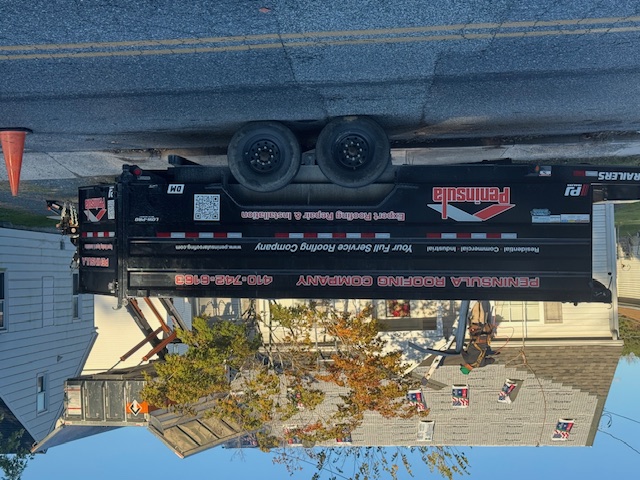
At Peninsula Roofing Company, we're proud to be part of this continuing story, helping homeowners choose the right materials for their needs while honoring the rich tradition of American roofing craftsmanship.
Comments