The Southwest Look: Why You Don’t See Terra Cotta Roofs on Delmarva
- sean fahey
- Feb 27
- 5 min read

If you’ve ever taken a road trip through the Arizona desert or spent a week vacationing in South Florida, you know the look. Those striking, sun-baked orange and red tiles give homes a classic Mediterranean, Spanish, or Mission-style aesthetic that screams "permanent vacation." It’s a beautiful look, and it’s one that many homeowners in Salisbury, MD, find themselves admiring.
Naturally, the question comes up: "Why don't we see more of those here?"
As one of the long-standing roofing companies in Salisbury, MD, we get asked about various materials all the time. Everyone wants their home to stand out, and a terra cotta tile roof is certainly a way to make a statement. However, there are some very practical: and very "Delmarva": reasons why you see asphalt, metal, and cedar shingles in our neck of the woods instead of fired clay.
At Peninsula Roofing Company, Inc., we’ve been serving this community since 1947. Over those 75+ years, we’ve learned exactly what the coastal climate of the Mid-Atlantic does to different building materials. While terra cotta is a superstar in the Southwest, it faces an uphill battle here on the shore.
What Exactly is a Terra Cotta Roof?
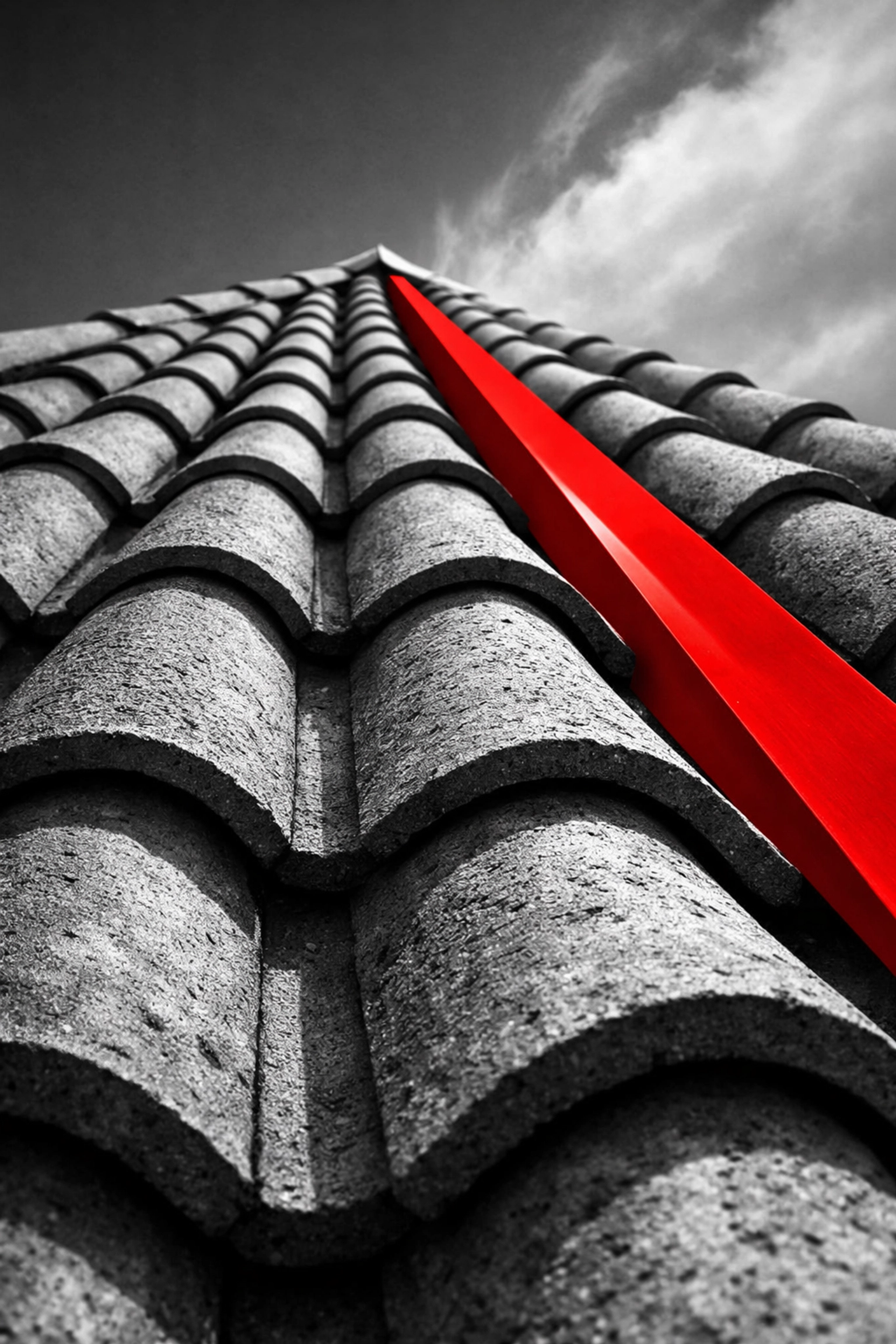
Before we get into why they aren't common in Maryland, let’s look at what they actually are. The term "terra cotta" literally translates from Italian as "baked earth." These tiles are made from natural clay that is molded into shapes: most commonly the "S" curve or the "barrel" shape: and then fired in a kiln at incredibly high temperatures.
The result is a hard, durable, and fire-resistant material. But it’s not just about the look; there is some serious science behind how these roofs function:
Water Shedding: The tiles are designed to overlap. They don't typically "seal" in the way a modern asphalt shingle does with a strip of adhesive. Instead, they rely on the curve and the overlap to direct water down the face of the roof and into the gutters.
Thermal Mass: This is the big winner for hot climates. Clay tiles have a high "thermal mass," meaning they are very good at absorbing heat during the heat of the day and releasing it slowly. This keeps the attic space: and the rest of the house: significantly cooler during a desert summer.
Longevity: In the right climate, a clay tile roof can last 50 to 100 years. It’s a "legacy" roof.
Why the Southwest Loves Them (And We Don’t)
In places like New Mexico, Arizona, and Southern California, the environment is a perfect match for clay. It’s dry, it’s hot, and the temperature swings are predictable. The "Far South" and "Southwest" regions don't have to deal with the same moisture levels we see here in Salisbury.
When you’re looking for salisbury roofing solutions, you have to account for humidity, heavy rain, and: most importantly: the winter cycle. Here are the three main reasons why terra cotta remains a rarity on the Delmarva Peninsula.
1. The Deadly Freeze-Thaw Cycle
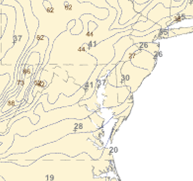
This is the absolute number one reason terra cotta is a tough sell in Maryland. While the tiles are fired at high temperatures, clay is naturally a porous material. It has tiny, microscopic holes that like to drink up moisture.
In a place like Scottsdale, Arizona, that’s not a big deal because the air is dry. But in Salisbury, we have high humidity and plenty of winter rain. When that moisture gets trapped inside the clay tile and the temperature drops below freezing at night, the water expands as it turns to ice. This creates internal pressure that causes the tile to crack, chip, or even shatter completely. Over a few winters, a beautiful terra cotta roof can literally start "exploding" or flaking away.
2. The Heavy Lifting: Weight and Structure
Terra cotta tiles are incredibly heavy. To give you some perspective, a standard square (100 square feet) of asphalt shingles weighs somewhere between 200 and 400 pounds. A "square" of terra cotta tile can weigh anywhere from 800 to 1,500 pounds.
Most residential homes built in the Delmarva region are framed with the expectation of holding asphalt shingles or perhaps a metal roof. If you wanted to install a terra cotta roof on a standard Salisbury home, you would likely need a structural engineer to come in and reinforce the entire roof deck and the supporting walls. Without that reinforcement, the sheer weight of the clay could cause the roof to sag or, in extreme cases, cause a structural failure. That’s a massive added expense before you even buy the first tile.
3. The Cost Comparison
There’s no getting around it: terra cotta is expensive. Because it’s a specialty material in our region, the shipping costs alone are significant. Beyond the material, you need a highly specialized crew to install it. It’s a slower, more meticulous process than installing a standard roof.
When you compare the cost of a high-quality asphalt shingle or even a standing seam metal roof to terra cotta, the tile is often 3x to 5x more expensive. For most homeowners on the shore, that’s a hard pill to swallow, especially when the material isn't naturally suited for our weather.
The Ice Damming Dilemma
Beyond the structural and material issues, there is a functional problem with how tile roofs handle a Maryland winter: ice damming.
As we mentioned, terra cotta tiles work by shedding water through overlaps. They aren't a "sealed" system. In the Southwest, this isn't an issue because they rarely see snow or ice buildup. However, in Salisbury, we get those slushy winter storms where snow sits on the roof, melts slightly, and then refreezes at the gutters.
This creates a "dam" of ice. When the snow above that dam melts, the water has nowhere to go. It backs up under the tiles. Because the tiles are just sitting there, gravity-fit, that backed-up water can easily slide right underneath the clay and onto the underlayment. While a good underlayment helps, having standing water under your primary roofing material is a recipe for leaks and wood rot.
What Works Better for Delmarva?
At Peninsula Roofing Company, Inc., our goal is to make sure your home stays dry for decades, not just a few seasons. While we appreciate the beauty of different architectural styles, we generally recommend materials that are "climate-correct" for the Mid-Atlantic.
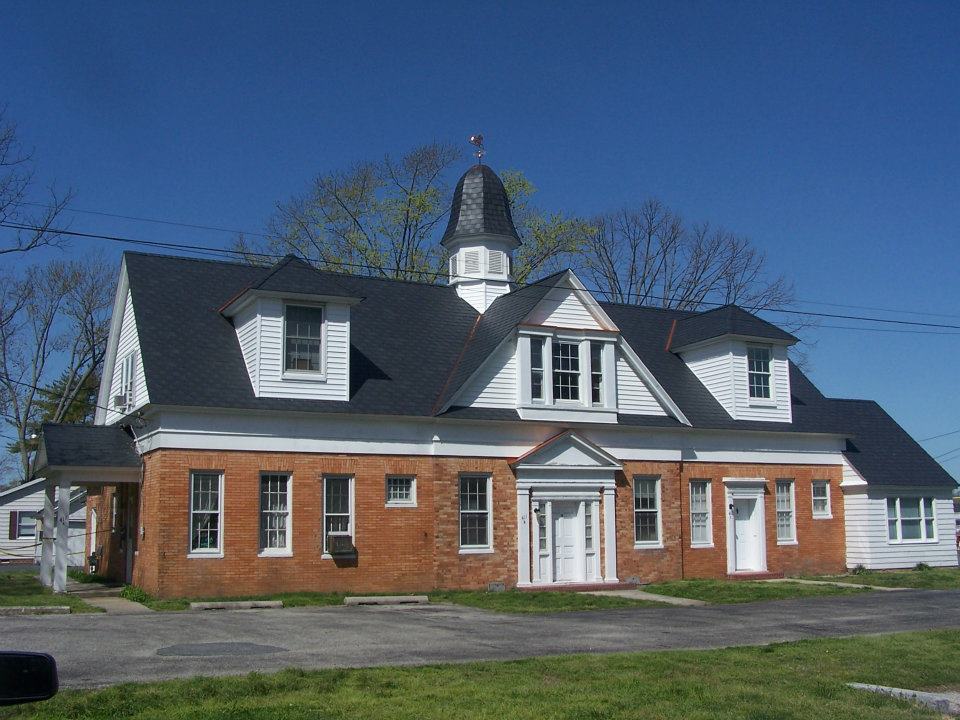
Architectural Asphalt Shingles: Modern shingles can actually mimic the look of slate or wood shakes and are designed specifically to handle the freeze-thaw cycles and high winds we get off the Atlantic.
Metal Roofing: If you want longevity and a unique look, metal is a fantastic option. It’s lightweight, sheds snow perfectly, and handles our coastal humidity without a problem.
Synthetic Slate/Tile: There are now incredible synthetic products made from polymers and recycled materials. They can look exactly like terra cotta but weigh a fraction of the amount and are completely impervious to the freeze-thaw cycle.
Trust the Local Experts
Choosing a roof is about more than just "the look." It’s about understanding how your home interacts with the local environment. When searching for roofing companies in salisbury md, you want a team that understands the local nuances: from the salt air coming off the bay to the heavy snow loads we occasionally face.
Since 1947, Peninsula Roofing has been the go-to choice for homeowners who want honest advice and expert craftsmanship. We aren't just here to sell you a roof; we're here to make sure you get the right roof for your specific home and budget.
If you’re dreaming of a Mediterranean look but want a roof that will actually survive a Maryland winter, let’s talk. We can show you some modern alternatives that give you the style you want with the durability you need.

Ready to start your next project? Contact us today for an inspection or a quote. Whether you’re in Salisbury, Ocean City, or anywhere across Delmarva, we’ve got you covered.
Comments