Top Signs Your Shingle Roof Is Aging (Salisbury Homeowner's Guide)
- sean fahey
- Jan 8
- 5 min read

Your roof works 24/7 to protect your Salisbury home from everything Mother Nature throws at it: blazing summer sun, driving rain, winter storms, and everything in between. But like any hardworking system, your shingle roof shows its age over time. The key is knowing what to look for before small problems turn into major headaches.
Most asphalt shingle roofs last 20-25 years, but here on the Delmarva Peninsula, our unique climate can accelerate aging. The combination of coastal humidity, temperature swings, and occasional severe weather means your roof might show signs of wear sooner than expected.
Here's your guide to spotting the telltale signs that your shingle roof is getting up there in years: and what to do about it.
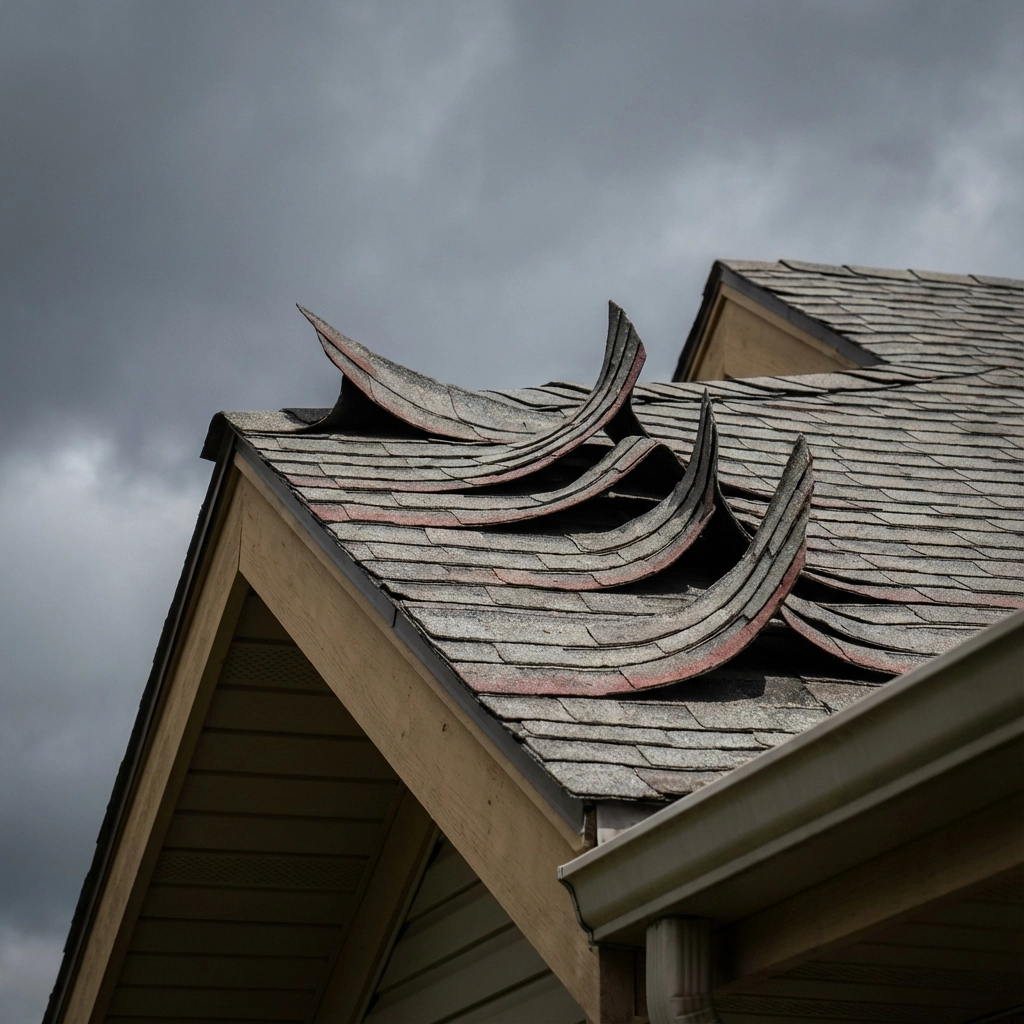
Curling or Buckling Shingles: The Classic Red Flag
When shingles start looking like they're trying to curl up at the edges or lift in the middle, that's your roof waving a big red flag. This curling happens in two ways:
Cupping is when the edges of shingles turn upward, creating a cup-like shape. Clawing is when the middle of the shingle lifts up while the edges stay flat.
Both types of curling usually mean the same thing: your shingles have been through a lot of heat cycles and moisture exposure. Poor attic ventilation makes this worse by trapping hot, humid air that literally "cooks" your shingles from below.
What to do: Curled shingles are vulnerable to wind damage and water infiltration. If you're seeing widespread curling across your roof, it's time for a professional inspection. A few isolated curled shingles might be repairable, but extensive curling often signals it's time to start planning for replacement.
Granule Loss: When Your Roof Goes Bald
Those little granules on your asphalt shingles aren't just for show: they're your roof's sunscreen, protecting the underlying asphalt from UV damage. As shingles age, these granules start falling off at an accelerated rate.
You'll notice granule loss in your gutters and downspouts first. A little bit of granules is normal, especially on a newer roof, but excessive amounts signal aging. On the roof itself, you'll see bald spots or areas where the darker asphalt backing shows through.
What to do: Check your gutters after heavy rains. If you're consistently finding lots of granules, especially after your roof is more than 10-15 years old, schedule an inspection. Significant granule loss leaves your shingles exposed to UV damage, which accelerates deterioration.
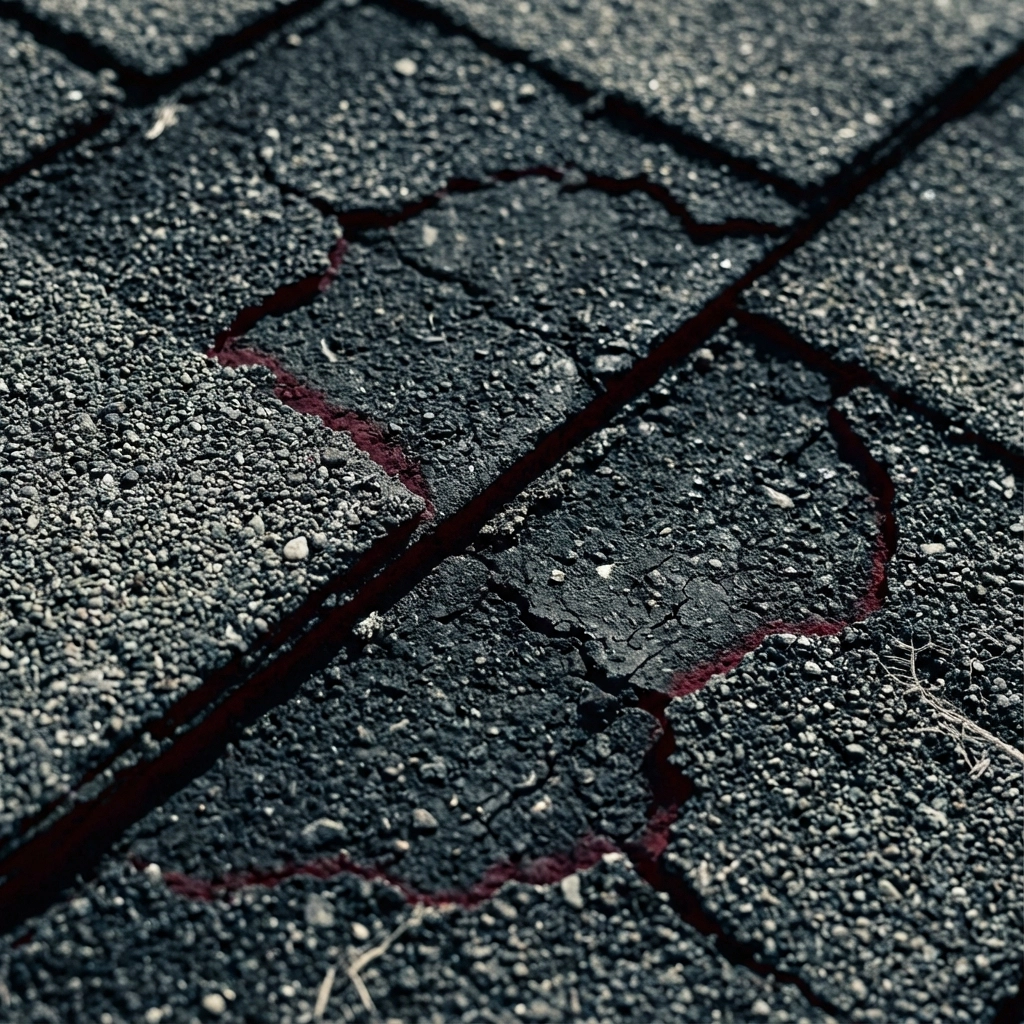
Cracked, Split, or Brittle Shingles
Our Salisbury weather puts shingles through their paces. Summer heat makes them expand, winter cold makes them contract, and wind constantly flexes them. Over time, this leads to cracks, splits, and increasingly brittle shingles.
You might notice small cracks at first, but these tend to spread and multiply as the roof ages. Brittle shingles break easily when stepped on or when hit by falling branches.
What to do: A few cracked shingles can be individually replaced, but widespread cracking indicates your roof is entering what professionals call the "accelerating deterioration" phase. This is when problems start snowballing, and individual repairs become less cost-effective than replacement.
Missing Shingles: Gaps in Your Defense
When shingles start going missing: whether blown off by wind or fallen off due to failed adhesive: your roof's protective barrier gets compromised. Missing shingles leave your roof deck and underlayment exposed to the elements.
This often happens when shingles are already weakened by age, making them easier for wind to grab and lift off.
What to do: Replace missing shingles immediately. Even one missing shingle can lead to water damage. If you're regularly losing shingles, especially in normal weather conditions, it's a sign your roof's overall condition is declining.
Moss and Algae Growth: The Moisture Problem
Seeing green or black streaks on your roof? That's moss and algae taking up residence on your shingles. While this might look like just a cosmetic issue, it's actually a sign that your shingles are retaining moisture and losing their protective properties.
Moss is particularly problematic because it can actually lift shingles and create gaps where water can penetrate. In our humid Delmarva climate, these organisms thrive on aging roofs that don't shed water as effectively as they once did.
What to do: Professional cleaning can remove moss and algae, but if growth returns quickly, it indicates your shingles are deteriorating. Consider having a roofer evaluate whether the underlying shingles need attention.
Exposed or Loose Nails
As your roof ages, the constant expansion and contraction cycles can cause nails to work their way up through the shingles or even pop out entirely. You might see nail heads poking through or find loose nails in your gutters or yard after storms.
Exposed nails create entry points for water, and loose attachment points make shingles more vulnerable to wind damage.
What to do: Individual loose nails can be reset and sealed, but widespread nail problems often indicate that your roof's attachment system is compromised. This is especially important to address before storm season.
Sagging Roof Areas: The Serious Warning
A sagging roofline is never something to ignore. Whether it's a gentle dip you notice from the street or a more obvious sag in your attic ceiling, this indicates structural problems that go beyond just aging shingles.
Sagging can result from moisture damage to the roof decking, inadequate structural support, or the weight of multiple roof layers.
What to do: Call a professional immediately. Sagging roofs can be dangerous and typically require more than just shingle replacement: you may need structural repairs or decking replacement.
Interior Signs: Water Stains and Leaks
Sometimes the first signs of roof aging show up inside your home. Water stains on ceilings or walls, especially after storms, indicate that your roof's barrier system is failing. You might also notice musty odors or see actual water dripping.
What to do: Don't wait on interior water damage: it can lead to mold, structural damage, and ruined belongings. Have the source identified and repaired as soon as possible.
When Professional Inspection Is Essential
While you can spot many of these signs from the ground or during your regular home maintenance, a professional roof inspection provides the complete picture. Schedule an inspection if:
Your roof is approaching 15-20 years old
You're seeing multiple aging signs
You've recently experienced severe weather
You're buying or selling your home
You're planning other major home improvements
A qualified roofer can assess not just the visible problems but also check flashing, underlayment, ventilation, and structural integrity: things that aren't easily visible to homeowners.
The Bottom Line for Salisbury Homeowners
Recognizing these signs early gives you the power to make informed decisions about your roof's future. Sometimes, addressing aging signs promptly with targeted repairs can extend your roof's life by several years. Other times, the signs indicate it's more cost-effective to plan for replacement rather than continue with piecemeal fixes.
The key is getting professional guidance to understand which situation you're in. An aging roof doesn't have to mean an emergency: but ignoring the signs often does.
If you're seeing any of these warning signs on your Salisbury home, don't wait for the next big storm to test your roof's limits. Contact Peninsula Roofing Company for a thorough inspection and honest assessment of your roof's condition. We'll help you understand what you're dealing with and create a plan that makes sense for your home and budget.
Comments