What is Snow Load? Why Salisbury Homeowners Need to Know the Number
- sean fahey
- Jan 20
- 6 min read

When a big winter storm rolls through the Eastern Shore, most of us are thinking about shoveling the driveway, stocking up on groceries, and whether we'll lose power. But here's something that probably isn't on your radar: how much does all that snow actually weigh on your roof?
That's where snow load comes in. It's one of those terms that sounds technical: because it is: but understanding the basics can help you make smarter decisions about your home and know when to call in the pros. Let's break it down in plain English.
What Exactly Is Snow Load?
Snow load is simply the downward pressure that accumulated snow and ice puts on your roof. Here's the thing most people get wrong: it's measured in pounds per square foot (PSF), not inches of depth.
Why does that matter? Because not all snow weighs the same. You can have 12 inches of snow on your roof that weighs almost nothing, or 12 inches that feels like someone parked a truck up there. The depth alone doesn't tell you much: it's the weight that your roof structure actually has to support.
Think of it like this: a foot of feathers and a foot of wet towels take up the same space, but you'd definitely notice which one is heavier if you had to hold it over your head. Your roof feels the same difference.
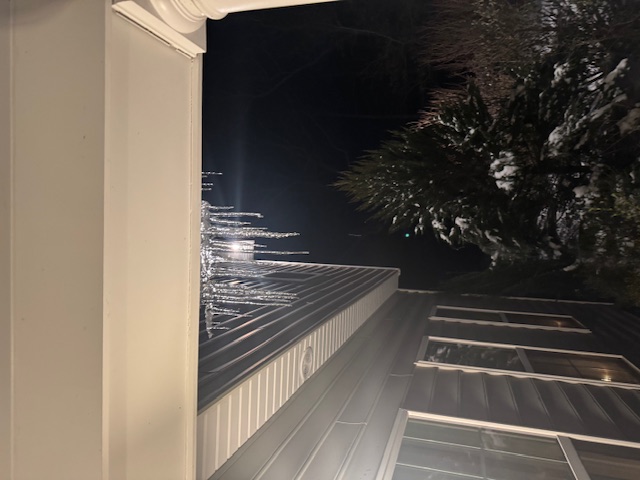
How Snow Load Is Calculated
When engineers and roofing companies in Salisbury MD design or evaluate a roof, they don't just guess at snow load. There's actually a pretty detailed process that goes into determining what your roof needs to handle. Here are the main factors:
Ground Snow Load
This is the starting point. Ground snow load (often written as "Pg" in engineering speak) measures the maximum expected weight of snow that accumulates on the ground in your specific region. Local building codes use historical data to establish this baseline number.
But here's where it gets interesting: the snow load on your roof isn't necessarily the same as what's on the ground. It can actually be more or less depending on several other factors.
Roof Slope (Pitch)
A steep roof sheds snow more easily than a flat or low-slope roof. Snow slides off, which means less accumulation and less weight. Flat commercial roofs, on the other hand, tend to hold onto everything that falls on them. This is why roof pitch plays a big role in calculating expected snow load.
Exposure
Is your house surrounded by tall trees and other buildings, or does it sit out in an open field where the wind whips through? Wind exposure affects how snow accumulates. Sometimes wind blows snow off the roof; sometimes it creates drifts in certain spots that are much deeper than elsewhere.
Thermal Factor
Here's one that surprises a lot of folks. A heated building melts snow from underneath, which can reduce accumulation: but it can also create ice dams when that melted water refreezes at the eaves. An unheated garage or shed will have different snow load characteristics than your main house.
Drift Loads
Wind doesn't just remove snow: it also piles it up. If you have a two-story section of your home next to a single-story section, or obstructions like dormers and chimneys, snow can drift and create much heavier localized loads. These drift zones are often where problems show up first.
What's Salisbury's Magic Number?
So what does all this mean for those of us living on the Eastern Shore? Under the modern building code, roofs in our area are commonly specified around 30 PSF (pounds per square foot) for snow load.
But here's the key detail: many local municipalities are still operating under older code editions, and that means a lot of Delmarva homes were actually designed around 20 PSF instead.
That distinction matters. A modest 1,500 square foot roof at 30 PSF is designed to handle 45,000 pounds of snow (over 22 tons). At 20 PSF, that same roof is designed for 30,000 pounds. Same roof size: very different limits.
Now, we don't usually see snow loads anywhere near those maximums here in Salisbury. Our winters are generally mild compared to places like Buffalo or the mountains of Western Maryland. But those numbers exist because when we do get hit with a significant storm: especially a wet, heavy one: the consequences of an under-designed roof can be serious.
If you're working with experienced Salisbury roofers, they'll already be designing and building to meet the requirements of the local jurisdiction and the home itself. For homeowners, the takeaway is simple: don’t assume your roof is a “30 PSF roof” just because that’s the modern standard: your specific home may have been built for 20 PSF depending on when and where it was constructed.
The "Wet Snow" Factor: Not All Snow Is Created Equal
Remember when we said inches don't tell the whole story? Here's where that really matters.
Light, fluffy snow: the kind that looks beautiful and blows around in the wind: weighs roughly 3-5 pounds per cubic foot. You can get a foot of this stuff and your roof barely notices.
Heavy, wet snow: what some folks call "heart-attack snow" because of how hard it is to shovel: can weigh 20 pounds per cubic foot or more. That's four to five times heavier than the fluffy stuff.
And then there's ice. Pure ice weighs about 57 pounds per cubic foot. When you get a freezing rain event or significant ice accumulation on top of existing snow, the weight adds up fast.
Here on the Eastern Shore, we're actually more prone to those wet, heavy snow events and ice storms than we are to the light powder you see in ski country. That's important to keep in mind. A "moderate" 8-inch snowfall of wet snow can put more stress on your roof than a 20-inch blizzard of dry powder.
What This Means for Your Home
So your roof is designed to handle a certain snow load. What happens when things start getting heavy?
Signs Your Roof Is Feeling the Strain
Most of the time, if your roof was properly designed and built, you're not going to have problems. But older homes, buildings with flat roofs, and structures that have had modifications over the years may not have the capacity they should.
Why Drainage Matters More Than You Think
Here's the connection that a lot of homeowners miss: your gutters and roof drains aren't just about directing water away from your foundation. They're critical for managing snow load too.
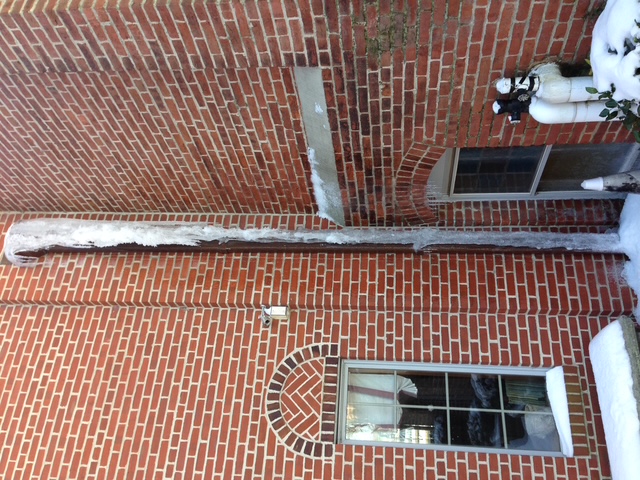
When snow melts during the day and refreezes at night, you get ice buildup. If your gutters are clogged with leaves and debris, that ice has nowhere to go. It builds up at the edges of your roof, creating ice dams that trap more water and add more weight.
We've seen situations where the ice accumulation at the eaves weighs more than the snow on the rest of the roof. All that weight is concentrated right at the edge, pulling on your fascia and soffits, backing water up under your shingles, and creating a perfect recipe for leaks and damage.
Before winter hits, make sure your gutters are clean and your downspouts are clear. Check that any flat roof drains are free of debris. It's one of the simplest things you can do to protect your home.
When to Call the Professionals
If you're worried about your roof's ability to handle a heavy snow load: whether because of the age of your home, a previous leak, or just a gut feeling that something isn't right: it's worth getting a professional inspection.
At Peninsula Roofing Company, we've been serving roofing Salisbury MD homeowners and businesses since 1947. That's over 75 years of Eastern Shore winters under our belt. We've seen what snow and ice can do to roofs around here, and we know how to spot potential problems before they become emergencies.
And if you wake up to a storm that's got you genuinely concerned about your roof's integrity, we offer 24/7 emergency response. Don't wait until you see water coming through the ceiling.
Contact us for an inspection or to talk through any concerns about your roof this winter. Sometimes peace of mind is worth a phone call.
Comments