Why Did Old Trocal Roofs Fail: and How Are Modern Single-Ply Roofs Better?
- sean fahey
- Jan 9
- 5 min read

If you're a commercial property owner in Salisbury or anywhere on the Delmarva Peninsula, chances are you've either heard horror stories about old Trocal roofs or maybe even experienced the headaches firsthand. These early PVC single-ply roofing systems, popular in the 1980s and 1990s, seemed like a revolutionary solution at the time: until they started failing in spectacular fashion.
But here's the good news: we've learned a lot since then. Today's single-ply roofing systems have addressed virtually every problem that plagued those early Trocal installations. Let's dive into what went wrong back then and how modern roofing technology has transformed flat and low-slope roofing for the better.
The Rise and Fall of Trocal Roofing
Trocal roofs hit the market as one of the first thermoplastic single-ply roofing systems, promising durability and cost-effectiveness for commercial buildings. Property owners were drawn to the material's initial performance and the promise of heat-welded seams that would outlast traditional built-up roofs.
Unfortunately, reality didn't match the marketing brochures. By the early 2000s, building owners across the country: including right here in Maryland: were dealing with widespread failures that often required complete roof replacement decades earlier than expected.
The Fatal Flaws: Why Trocal Roofs Failed
Plasticizer Loss: The Root of the Problem
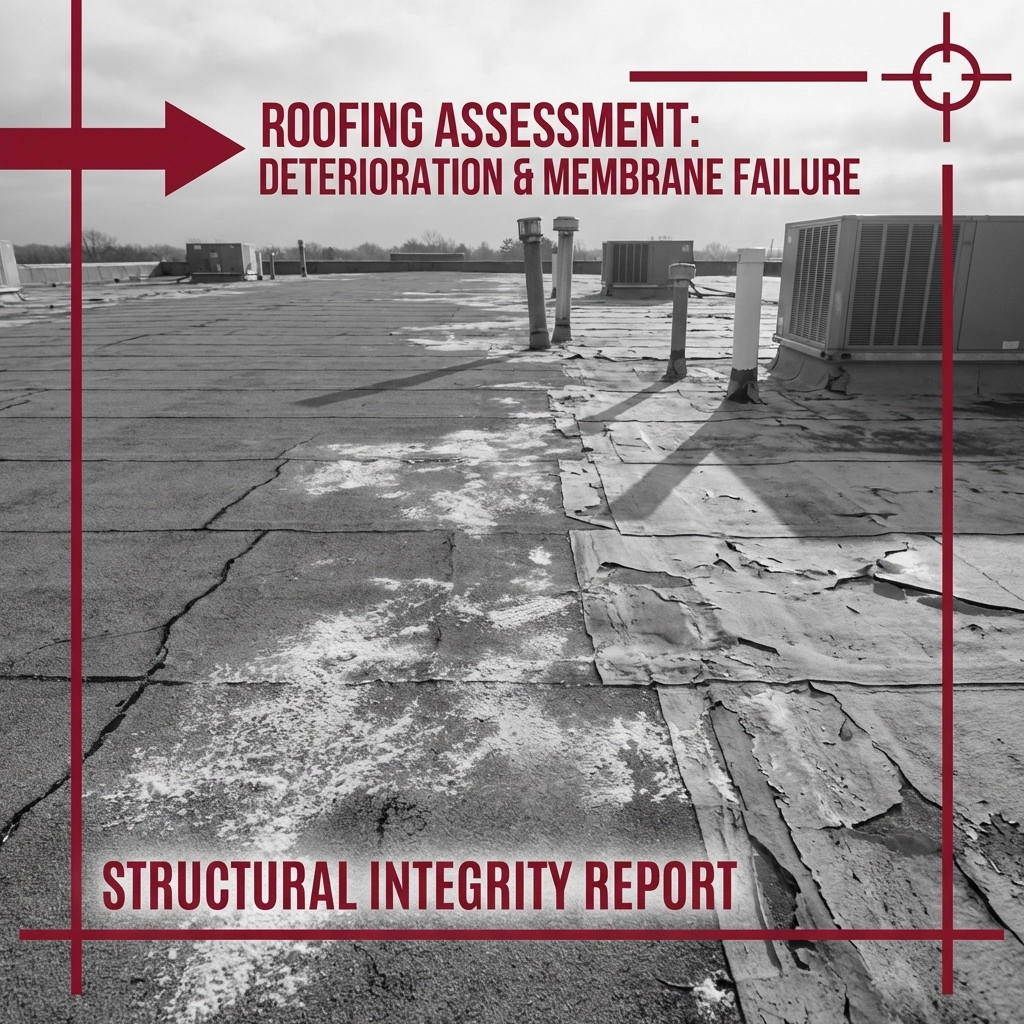
The biggest issue with old Trocal roofs was something called plasticizer loss. Plasticizers are chemical additives that keep PVC flexible and workable. In early Trocal formulations, these plasticizers would literally evaporate out of the membrane over time, especially under the intense UV exposure common in our Mid-Atlantic climate.
As the plasticizers disappeared, the roofing membrane would become increasingly brittle and prone to shrinkage. Think of it like a rubber band that's been left in the sun too long: it loses its stretch and starts cracking. This process was particularly problematic in our area, where we experience significant temperature swings between summer and winter.
Temperature-Related Disasters
Our Delmarva winters were especially hard on Trocal roofs. The membrane would become so brittle in freezing temperatures that even light foot traffic could cause it to crack or shatter. HVAC technicians walking across roofs for routine maintenance would sometimes leave a trail of damage in their wake.
The thermal expansion and contraction cycles between our hot summers and cold winters created additional stress on the material. As the roof expanded and contracted, wrinkles would form that compromised the roof's wind uplift resistance: a serious concern given our exposure to Atlantic storms.
UV Degradation and Chalking
If you've ever seen an old Trocal roof, you've probably noticed the telltale white, chalky residue on the surface. This chalking is actually the membrane breaking down under UV exposure, releasing degraded material that forms a powdery layer.
While this chalky layer provided some UV protection for the membrane underneath, it was also a clear sign that the roof was deteriorating. Property owners would often discover extensive damage during routine inspections, sometimes finding that what looked like minor surface wear was actually indicating widespread membrane failure.

Installation and Design Shortcomings
Early Trocal installations often suffered from poor installation practices that weren't necessarily the fault of individual contractors. The technology and best practices simply weren't as refined as they are today. Common issues included:
Missing or inadequate cut-edge sealant that allowed moisture infiltration
Poor seam welding techniques that created weak points
Inadequate fastening patterns that didn't account for the material's shrinkage tendencies
Insufficient drainage design that led to ponding water and accelerated deterioration
These installation issues often voided warranties, leaving property owners with expensive problems and little recourse.
How Modern Single-Ply Roofs Fixed These Problems
The roofing industry learned valuable lessons from the Trocal failures, and today's single-ply systems are dramatically better. Here's how modern technology has addressed each of the major failure modes:
Advanced Material Formulations
Modern PVC and TPO (Thermoplastic Polyolefin) membranes use completely different plasticizer systems: or eliminate plasticizers altogether. Today's TPO systems, for example, use polyolefin chemistry that doesn't rely on volatile plasticizers that can evaporate over time.
Current PVC formulations use more stable plasticizer packages and improved polymer backbones that resist UV degradation much more effectively. Many modern single-ply membranes come with 20+ year warranties that manufacturers actually stand behind.
Improved UV and Weather Resistance
Today's single-ply membranes incorporate advanced UV stabilizers and reflective technologies that not only protect the roof but can actually help reduce cooling costs. Modern white TPO and PVC roofs reflect a significant portion of solar radiation, keeping the roof surface cooler and reducing thermal stress.
This is particularly beneficial for Salisbury-area buildings, where cooling costs can be substantial during our humid summers. The improved weather resistance also means better performance during our occasional severe weather events.
Better Installation Standards and Training
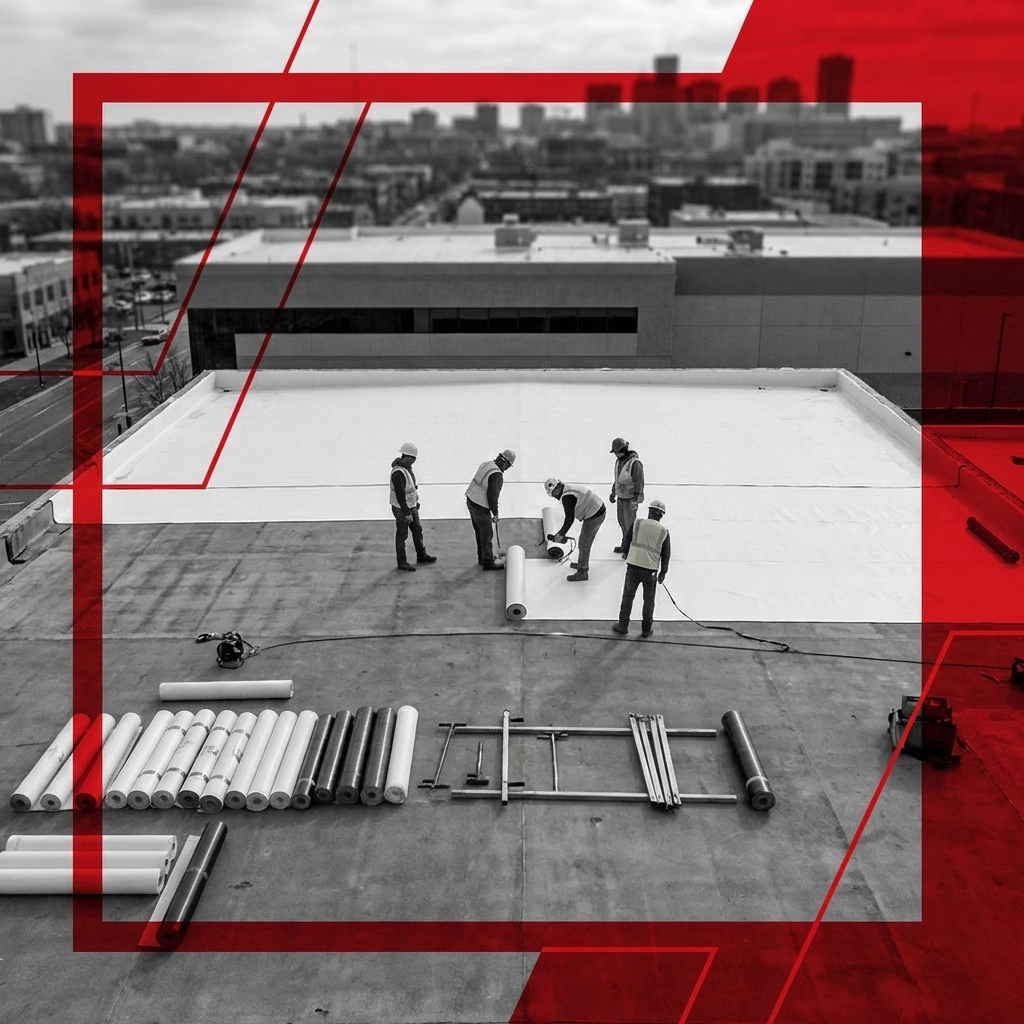
The roofing industry has developed much more sophisticated installation standards and training programs. Modern contractors understand proper fastening patterns, seam welding techniques, and drainage requirements that prevent the installation issues that plagued early single-ply systems.
At Peninsula Roofing Company, our crews receive ongoing training on the latest installation techniques and manufacturer requirements. This ensures that your new roof will perform as designed from day one.
Enhanced Quality Control
Today's single-ply manufacturers have implemented much stricter quality control measures both in manufacturing and in the field. Many systems now include:
Pre-manufactured components that reduce field fabrication errors
Improved welding equipment with better temperature and pressure controls
More rigorous inspection protocols during installation
Better warranty programs that provide real protection for property owners
Why Modern Single-Ply Makes Sense for Delmarva Properties
For commercial property owners in our area, modern single-ply roofing offers several compelling advantages:
Climate Suitability
Today's single-ply systems are specifically designed to handle the temperature extremes and weather patterns we experience on the Delmarva Peninsula. From hurricane-force winds to ice storms, modern membranes maintain their flexibility and performance.
Energy Efficiency
With energy costs continuing to rise, the reflective properties of modern single-ply roofs can provide significant savings on cooling costs. Many systems qualify for Energy Star certification and may be eligible for utility rebates.
Maintenance Benefits
Modern single-ply roofs are much easier to inspect and maintain than their predecessors. Small repairs can often be made quickly and economically, extending the roof's service life significantly.
Choosing the Right Modern Single-Ply System
Not all modern single-ply systems are created equal. When considering a new roof for your Salisbury-area property, factors to consider include:
Building use and traffic patterns
Roof slope and drainage requirements
Existing substrate conditions
Budget and life-cycle cost considerations
Local building code requirements
The Bottom Line
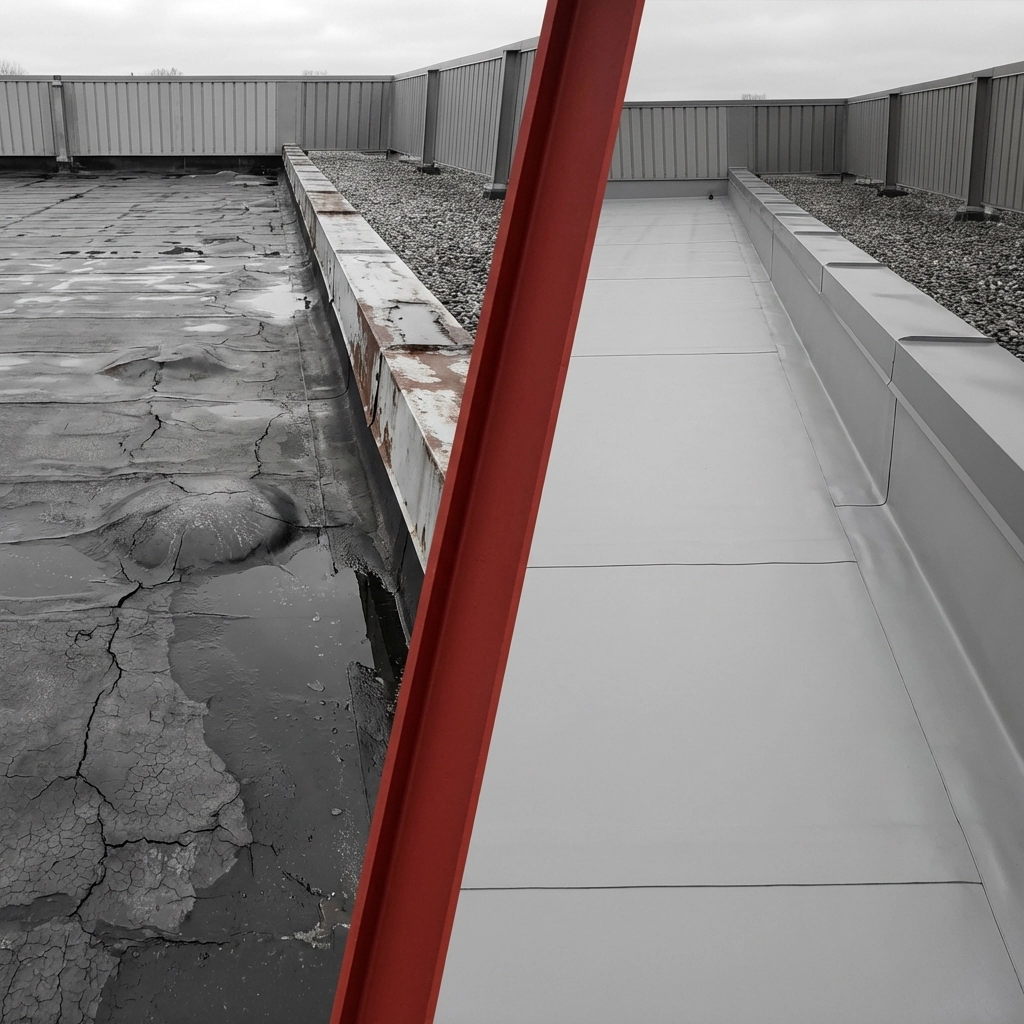
The failures of old Trocal roofs taught the industry valuable lessons that have resulted in dramatically improved single-ply roofing systems. Today's TPO and PVC membranes offer the performance and durability that the early systems promised but couldn't deliver.
If you're dealing with an aging roof: whether it's an old Trocal system or another failing membrane: modern single-ply technology offers a reliable, cost-effective solution that's designed to perform well in our Mid-Atlantic climate.
At Peninsula Roofing Company, we've been helping Delmarva property owners navigate roofing decisions since 1947. We've seen the evolution from those problematic early systems to today's advanced materials, and we're here to help you choose the right solution for your specific needs.
Don't let the failures of yesterday's technology scare you away from the proven performance of today's single-ply systems. With proper design, quality materials, and professional installation, a modern single-ply roof can provide decades of reliable service: something those old Trocal roofs never quite managed to deliver.
Comments