Why Firefighters Cut Holes in Your Roof (And What Happens Next)
- sean fahey
- Jan 27
- 5 min read

If you've ever watched firefighters respond to a structure fire, you might have noticed something that seems counterintuitive: they're up on the roof, cutting holes in it. Wait, isn't the goal to save the building? Why are they making more holes?
It's a fair question, and one we're thinking about today as our crew heads out to respond to a fire-damaged building here in Salisbury. The truth is, those holes aren't causing more damage, they're actually preventing catastrophic destruction and saving lives. Let's break down the science behind this critical firefighting technique and what happens to your roof after the flames are out.
What Is Vertical Ventilation?
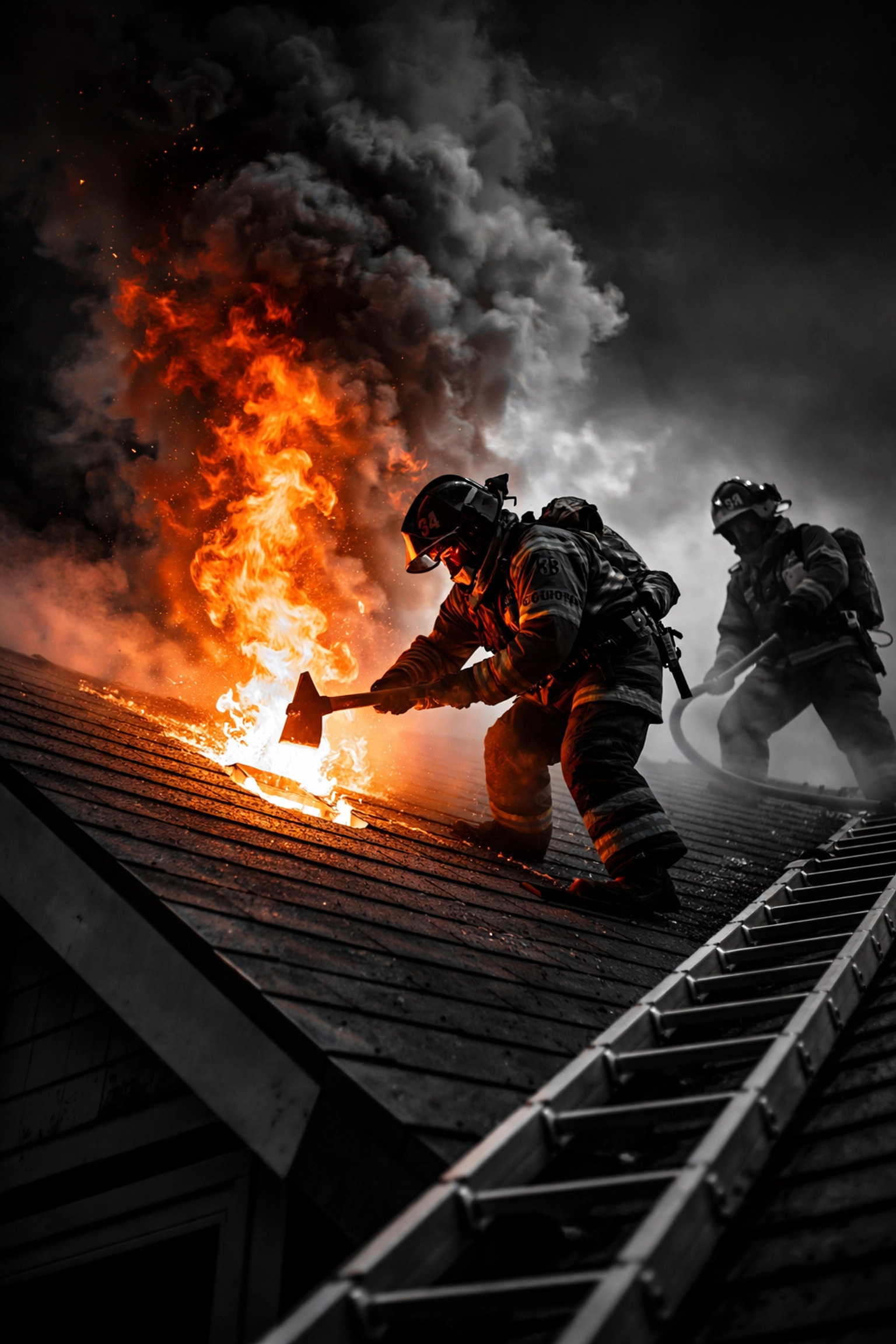
When firefighters cut holes in a roof during an active fire, they're performing what's called vertical ventilation. It might look destructive from the street, but it's actually one of the most important tactics in their playbook.
Here's the deal: fire creates an enormous amount of heat, smoke, and toxic gases. All of that nasty stuff rises and gets trapped under your roof, turning your attic and upper floors into what's essentially a pressure cooker. Without an escape route, those superheated gases build up until something very bad happens.
By cutting strategic holes in the roof, firefighters create an exit point for all that heat and smoke. It's controlled, it's calculated, and it's often the difference between a salvageable structure and a total loss.
The Chimney Effect: Why Heat Rises and Why That Matters
Think about your fireplace at home. When you light a fire, the smoke doesn't fill your living room, it goes up the chimney. That's because hot air and gases are lighter than cool air, so they naturally rise and escape through the path of least resistance.
Now imagine your entire house is on fire, but there's no chimney. All that heat and smoke has nowhere to go. It builds up under the roof, spreads horizontally through the attic, and pushes down into the living spaces below. Temperatures inside can exceed 1,000°F: hot enough to melt metal and instantly ignite anything it touches.
When firefighters cut that hole in the roof, they're essentially creating a chimney. The superheated gases rush upward and out, following their natural path. This is called the Chimney Effect, and it's the foundation of vertical ventilation.
Once they punch through the roof, firefighters also break through the ceiling below to create a complete path for smoke and heat to escape. The building essentially "exhales" all that dangerous buildup, and conditions inside improve dramatically within seconds.
The Life-Saving Science Behind Those Roof Holes
Vertical ventilation isn't just about property: it's about survival. Here's what those roof cuts actually accomplish:
1. Releasing Superheated Gases
Fire produces gases that can reach temperatures well over 1,000°F. These gases are invisible killers, capable of causing severe burns to lungs and skin even without direct flame contact. By venting the roof, firefighters release these gases into the open air where they can dissipate safely.
2. Improving Visibility for Rescue Operations
Have you ever seen video footage from inside a burning building? It's pitch black, filled with thick smoke that makes it impossible to see your hand in front of your face. Firefighters searching for trapped victims are essentially working blind.
When the roof is vented, that smoke clears out fast. Suddenly, rescue teams can see where they're going, locate victims, and navigate the structure safely. Those extra seconds of visibility can mean the difference between life and death.
3. Preventing Flashover
Here's where things get really scary. Flashover is a phenomenon where everything in a room spontaneously ignites at once. It happens when trapped heat builds up to the point where all combustible materials in the space reach their ignition temperature simultaneously.
Flashover is unsurvivable. If firefighters are inside when it happens, they're in serious trouble. Venting the roof keeps temperatures just low enough to prevent this catastrophic event from occurring.
4. Stopping the "Attic Run"
Fire loves to travel through attic spaces. Think about it: attics are full of wooden rafters, insulation, and plenty of oxygen. Once flames reach the attic, they can "run" the entire length of the building in minutes, spreading the fire to areas that weren't even involved initially.
By cutting holes ahead of the fire's advancement, firefighters can access the attic and stop the flames before they consume the entire structure from the top down.
What Happens After the Fire Is Out
So the fire's been extinguished, the smoke has cleared, and you're left staring at your building with holes in the roof. Now what?
This is where things get complicated: and where you need a roofer who really knows what they're doing.
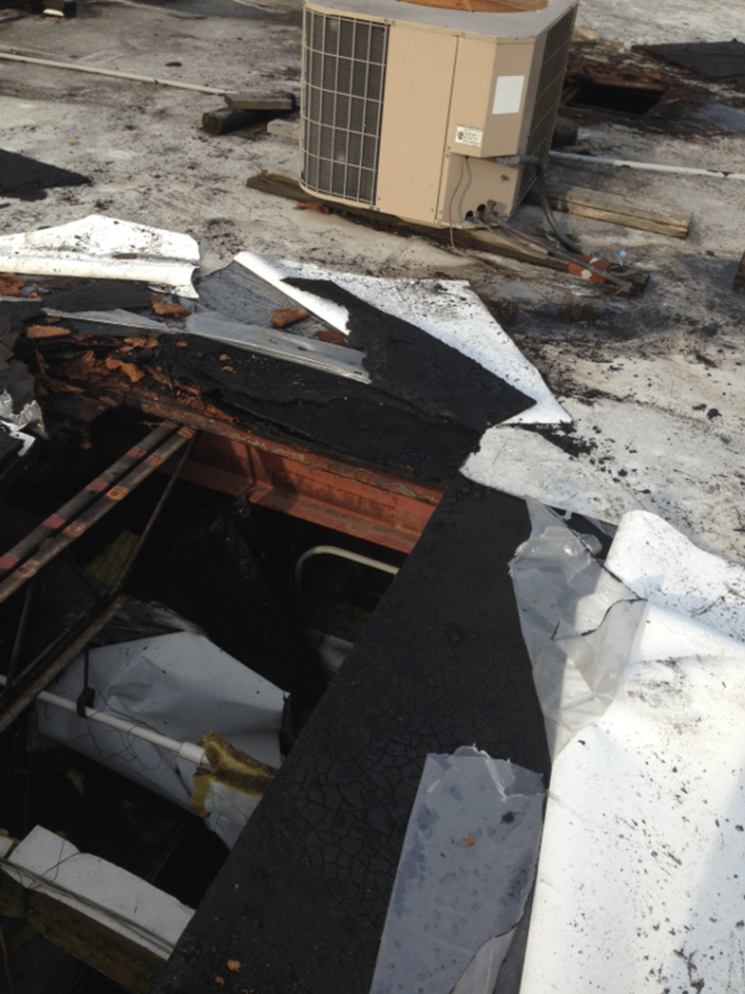
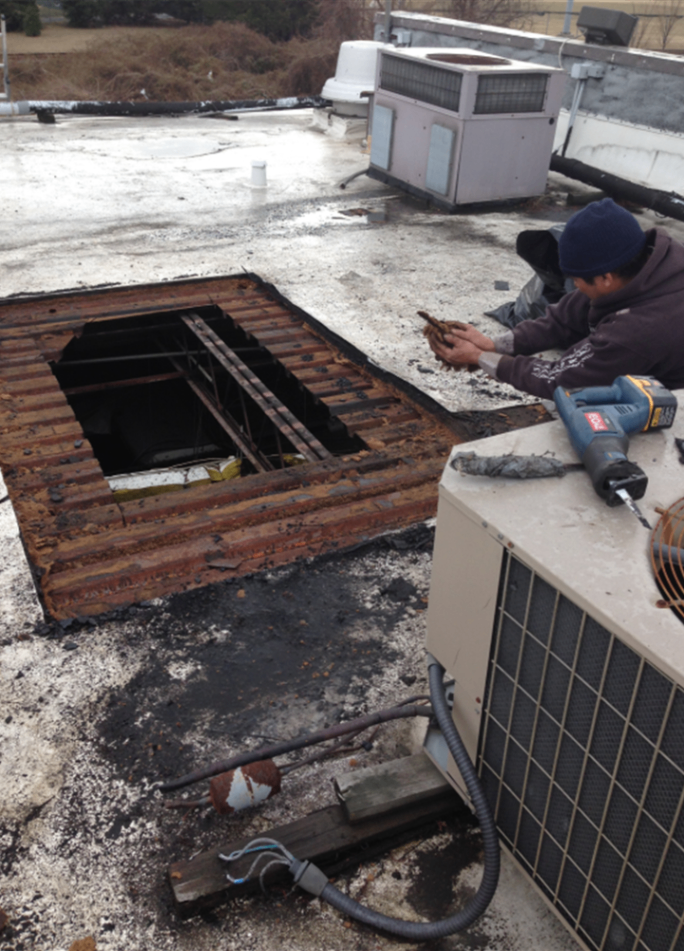
Fire damage repair isn't like patching a leak or replacing some shingles after a storm. When firefighters cut through your roof, they're cutting through multiple layers:
Shingles or roofing membrane
Underlayment
Roof decking (plywood or OSB)
Rafters or trusses
And that's assuming the fire itself didn't cause additional structural damage. In most cases, the rafters and decking around the vent holes are charred, weakened, or completely compromised. You can't just slap a patch over that and call it a day.
Why Fire Damage Repair Requires Specialized Experience
Here's the reality: fire damage repair is some of the most complex work a roofing company can take on. You're not just dealing with the roof itself: you're dealing with:
Structural integrity assessments to determine which rafters and trusses need replacement
Water damage from firefighting efforts (all that water has to go somewhere)
Smoke and soot contamination that can affect materials throughout the roof system
Insurance documentation and coordination with adjusters
Code compliance for any structural repairs
This isn't a job for a handyman or a fly-by-night contractor. You need a team that understands both roofing and structural repair, with the experience to assess damage accurately and restore your building safely.
Peninsula Roofing: 75+ Years of Delmarva Experience
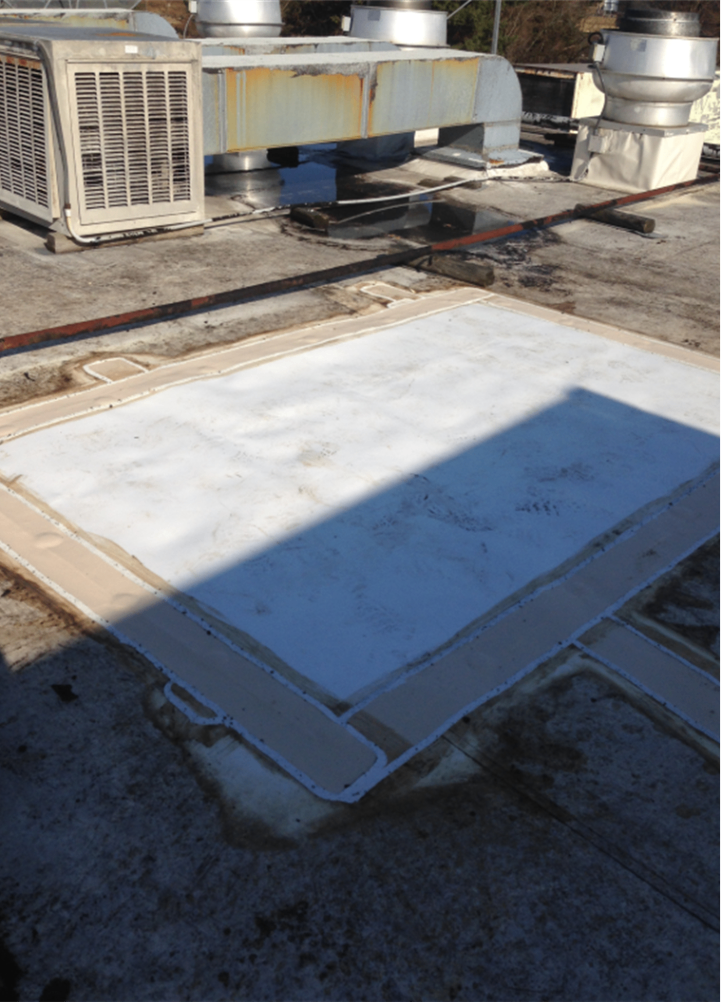
At Peninsula Roofing Company, we've been serving the Delmarva Peninsula since 1947. That's over 75 years of roofing experience right here in Salisbury, MD: and in that time, we've seen just about every type of roof damage you can imagine.
Fire damage calls are never easy. We understand that when your building has been through a fire, you're dealing with stress, uncertainty, and a million questions. Our team is here to help you navigate the process from start to finish.
In fact, as I write this, our crew is heading out to respond to a building that was damaged by a fire over the weekend. It's a tough situation, but it's exactly the kind of complex structural repair work we're equipped to handle.
What To Do If Your Roof Has Fire Damage
If your home or business has experienced fire damage, here's what we recommend:
Stay safe. Don't enter the building until it's been cleared by fire officials.
Document everything. Take photos and videos of the damage for your insurance claim.
Contact your insurance company to start the claims process.
Call a reputable roofing contractor for an assessment. Look for a company with experience in fire damage repair: not just general roofing.
Get a detailed written estimate that covers all necessary repairs, including structural work.
If you're looking for a trusted roofer in Salisbury to help with fire damage or any other roofing emergency, we're just a phone call away.
The Bottom Line
Those holes firefighters cut in your roof aren't random destruction: they're calculated, life-saving interventions based on solid science. Vertical ventilation harnesses the Chimney Effect to release deadly gases, improve visibility, prevent flashover, and stop fires from spreading through attic spaces.
But once the fire is out, you're left with a roof that needs serious attention. Fire damage repair requires specialized knowledge, structural expertise, and a team you can trust.
Peninsula Roofing Company has been the go-to Salisbury roofing contractor for over seven decades. Whether you're dealing with fire damage, storm damage, or just need a roof inspection, contact us to see how we can help protect your home or business.
Comments