Attic Condensation vs. Roof Leaks: How to Tell the Difference on Delmarva

A water stain on your ceiling or moisture in your attic naturally makes you think, “My roof is leaking.” Sometimes that is exactly what is happening. But in Salisbury, MD, and throughout the Delmarva Peninsula, attic condensation is another common cause of damp insulation, frost, mold, and water-like stains.
The difference matters. If condensation is mistaken for a roof leak, you could spend money replacing a roof that still has years of useful life. If a real leak is dismissed as “just humidity,” hidden moisture can lead to rot, mold, damaged insulation, and structural problems.
The timing, location, and pattern of the moisture usually provide important clues.
What Is the Difference Between Condensation and a Roof Leak?
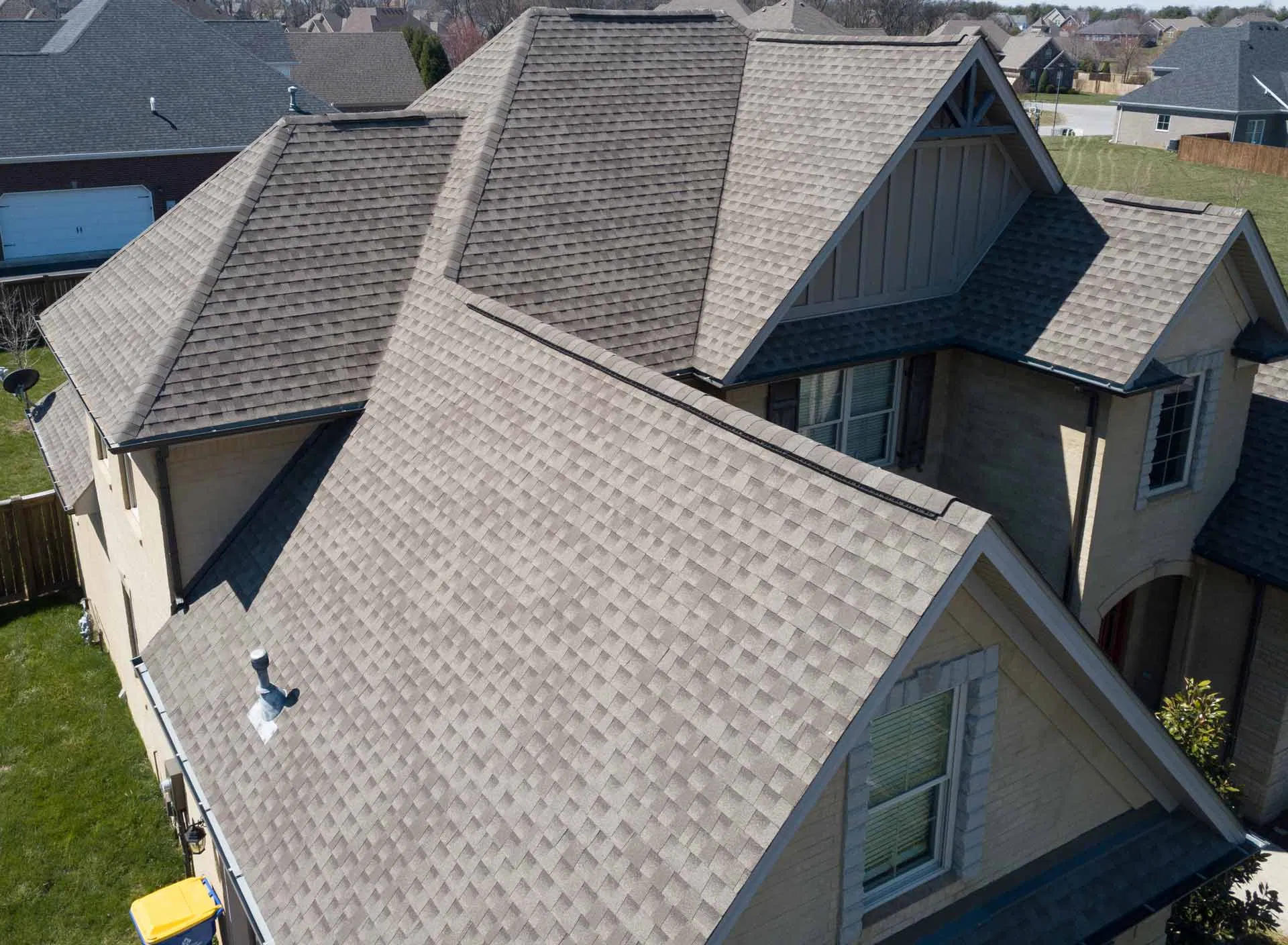
A roof leak occurs when water enters through a failure in the roof system. Common entry points include:
Missing, cracked, or damaged shingles
Failed pipe boots or roof vents
Loose or deteriorated flashing
Chimneys and skylights
Valleys where roof planes meet
Storm damage
Ice dams or melting snow
Attic condensation occurs when warm, humid air from inside the home reaches a cold roof deck or cold metal fastener. When that warm air cools, it releases moisture onto the underside of the roof. In winter, the moisture may appear as frost on nail tips or as dampness across the roof decking.
Condensation is often an attic ventilation and air-sealing problem: not a roofing replacement problem.
Signs You May Have a Roof Leak
A roof leak is more likely when moisture follows a clear relationship to precipitation.
1. The moisture appears after rain or snowmelt
If a ceiling stain grows during or shortly after a heavy rain, the roof deserves a close inspection. The same is true when moisture appears after snow begins melting.
Pay attention to the weather pattern:
Does the stain worsen after a wind-driven storm?
Does water appear near the same location each time it rains?
Does the problem disappear during extended dry weather?
Is the amount of moisture related to the intensity of the rain?
A consistent connection to rain or snowmelt points more strongly toward a roof leak than condensation.
2. The moisture is localized
Roof leaks commonly create one wet area, one stain, or one visible water trail. You may find:
A single soaked section of insulation
A dark or discolored area on the roof decking
A wet rafter or roof truss
Water marks that follow a narrow path
A concentrated area of rust around fasteners
However, do not assume that the ceiling stain is directly below the leak. Water can travel along roof decking, rafters, insulation, or framing before it becomes visible. A stain in a bedroom may originate several feet away near a chimney, valley, or roof penetration.
3. The area is near a roof penetration
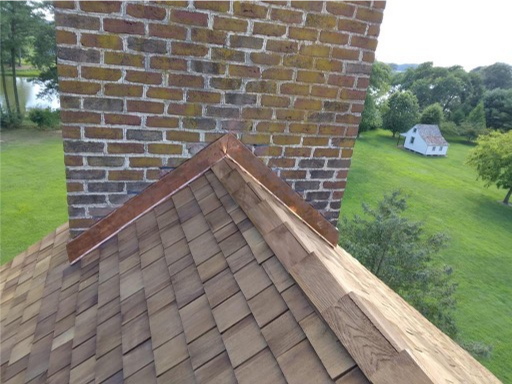
Leaks frequently develop around places where the roof is interrupted, including chimneys, skylights, plumbing vents, exhaust vents, and flashing transitions.
A localized water trail that leads toward one of these areas should be investigated promptly. Exterior damage is not always obvious from the ground, so avoid assuming that a few intact-looking shingles mean the roof is watertight.
Signs You May Have Attic Condensation
Condensation usually follows a different pattern. It is more closely related to indoor humidity and cold temperatures than to rainfall.
1. Moisture appears on cold, dry nights
If you see dampness, frost, or water droplets after a cold night: even when there has been no rain: condensation is a strong possibility.
This commonly occurs during Delmarva’s fall and winter freeze-thaw season. The roof deck becomes cold overnight while warm, humid air from the living space rises toward the attic. When that air contacts the cold roof surface, moisture forms.
2. Frost appears on many nail tips
One of the clearest signs of attic condensation is frost or moisture on numerous nail tips across a broad portion of the attic.
A few wet or rusted nails in one concentrated area could be related to a roof leak. But if many nail tips are uniformly damp or frosted, the attic likely has excess moisture and insufficient airflow.
As temperatures rise, the frost melts. That can create drips or wet spots that look very similar to a roof leak.
3. Dampness is widespread
Condensation often affects more than one location. You may notice:
Moisture across multiple roof bays
Broadly damp insulation
Mold or mildew over large areas of roof decking
A musty attic odor
Light rust developing on many fasteners
Frost or moisture covering much of the underside of the roof
A roof leak is usually more concentrated. Widespread moisture suggests that humid air is affecting the attic as a whole.
4. Bathroom or kitchen fans vent into the attic
Bathroom fans, kitchen exhaust fans, and clothes dryers must discharge to the outside. If a fan vents into the attic, it releases warm, moisture-filled air directly into a cold space.
This is one of the most common causes of attic condensation.
Check whether exhaust ducts:
Connect securely to an exterior roof or wall cap
Are routed completely outside the attic
Are sealed at their connections
Are insulated when passing through a cold attic
Use appropriate, intact ductwork
A loose bathroom fan duct can release a surprising amount of moisture over the course of a winter.
Why Delmarva Homes Are Vulnerable to Condensation
Delmarva’s coastal climate creates conditions that can increase attic moisture problems. Humidity is common, and homes may hold significant indoor moisture from cooking, bathing, laundry, and normal daily activities.
Condensation is especially likely during the transition from fall to winter and throughout the freeze-thaw season. Cold roof surfaces combine with warm indoor air, creating the temperature difference condensation needs to form.
Poor attic ventilation can make the problem worse. So can:
Unsealed attic hatches
Gaps around recessed lights
Openings around plumbing and electrical penetrations
Insufficient attic insulation
Blocked soffit vents
Missing ventilation baffles
Improperly installed exhaust ducts
Ice dams can also develop when heat escapes into the attic and warms sections of the roof unevenly. Meltwater can refreeze at colder roof edges and back up beneath shingles, creating a genuine leak.
How to Inspect the Problem Safely
Homeowners can gather useful information without climbing onto the roof.
Start by recording when the moisture appears. Note whether it follows:
Rain
Snowmelt
A cold, clear night
A prolonged period of high indoor humidity
A particular season
Next, look from a safe location inside the attic. Check for widespread frost, damp insulation, wet roof decking, water trails, or concentrated staining. Look at several nail tips rather than only one.
From the ground, inspect for obvious signs such as missing shingles, damaged flashing, or visibly deteriorated roof penetrations. Do not walk on a steep or wet roof, and do not disturb electrical components or unstable insulation.
Remember that water travels. The location of an interior stain may not identify the actual entry point.
What the Fix Looks Like for Attic Condensation
If condensation is the cause, replacing the roof may not solve the problem. The correction usually involves controlling indoor moisture, improving air sealing, and creating balanced attic airflow.
Typical improvements may include:
Vent exhaust fans outdoors
Bathroom and kitchen fans should never terminate inside the attic. They should discharge through a properly installed exterior wall or roof cap.
Air-seal attic penetrations
An attic hatch, recessed light, plumbing penetration, or electrical opening can allow warm household air to escape into the attic. Sealing these openings helps reduce the amount of moisture reaching the roof deck.
Improve insulation
Depending on the home and existing insulation, an upgrade to approximately R-38 through R-60 may be appropriate. The exact target depends on the structure, existing materials, and applicable local requirements.
Insulation should not cover soffit vents. Adding insulation without preserving airflow can make ventilation problems worse.
Clear soffit intakes
Soffit vents need to remain open so outside air can enter the attic. Insulation, debris, paint, or poorly installed materials can block these openings.
Install ventilation baffles
Baffles create a continuous air channel between the soffit and the roof deck. They help keep insulation from blocking airflow at the eaves.
Maintain balanced ventilation
Air should enter through lower intake vents and leave through properly designed upper exhaust ventilation, such as a ridge vent or other appropriate roof vents. The system needs to be evaluated as a whole rather than adding a random vent and assuming the problem is solved.
Peninsula Roofing has previously covered the differences between ridge vents and box vents for Salisbury homes. The right solution depends on the roof design, existing intake ventilation, insulation, and attic layout.
Why an Accurate Diagnosis Matters
Misdiagnosis can be expensive in either direction.
Replacing a roof when the actual issue is condensation wastes money and may leave the underlying moisture problem unresolved. The new roof could still develop mold or moisture damage if bathroom fans continue exhausting into the attic or soffit vents remain blocked.
On the other hand, ignoring a real roof leak can allow water to damage:
Roof decking
Rafters and trusses
Wall framing
Ceiling materials
Insulation
Electrical components
Interior finishes
The correct approach is to inspect both the roof and the attic. Looking only at the ceiling stain or only at the exterior shingles may miss the actual source.
When to Call a Roofing Professional
Contact a roofing professional when:
A stain appears or worsens after rain
Water is actively dripping
Insulation is soaked in one area
You see a water trail leading toward a penetration
The roof has storm damage
Mold or rot appears on the roof decking
You find widespread frost or moisture in the attic
You cannot determine whether the problem is condensation or a leak
Peninsula Roofing Company, Inc. has served Delmarva since 1947. Our team provides in-person roof and attic assessments rather than relying only on drone images. A physical inspection helps identify roof penetrations, flashing issues, ventilation problems, insulation conditions, and signs of hidden moisture.
We provide honest repair-versus-replacement guidance. If the roof is serviceable and the real problem is ventilation or air sealing, we will tell you. If a roof repair is needed, we can identify the likely entry point and recommend a targeted solution whenever possible.
For additional information about our residential and commercial roofing services, visit our roofing services page. If you have an active leak or storm-related emergency, Peninsula Roofing offers 24/7 emergency response.
Get a Free Attic and Roof Assessment in Salisbury, MD
Condensation and roof leaks can look alike, but they require different solutions. A wet ceiling stain does not automatically mean you need a new roof: and frost on attic nails should not be dismissed as harmless humidity.
If you are unsure what is causing moisture in your attic, schedule a free in-person assessment with Peninsula Roofing Company. We will inspect the attic and roof, explain what we find, and help you determine whether the right solution is ventilation, air sealing, repair, or replacement.
Call Peninsula Roofing at 410-742-6163 or contact us online to schedule an assessment with a Salisbury roofing professional.
Comments