Fall Roof Prep on Delmarva: The Leaf-Season Checklist Salisbury Homeowners Need

Fall roof care is about more than getting ready for colder temperatures. For homeowners in Salisbury, MD and throughout Delmarva, autumn brings a different set of roofing concerns: falling leaves, damp shaded areas, wildlife looking for shelter, and the need to uncover summer damage before it becomes a leak.
A few hours of preventive maintenance this fall can help keep water moving away from your home, protect vulnerable roof details, and give you time to address repairs before the season’s wet and windy weather arrives. Use this checklist to inspect your roof safely this weekend: and know when it is time to call a professional.
Why Fall Roof Maintenance Is Different
Winter preparation generally focuses on freezing temperatures, ice, snow, and condensation. Fall roof preparation begins earlier in the process.
The main goal is to remove the organic debris that accumulates during leaf season and identify damage caused by summer heat, thunderstorms, hail, and wind. Leaves can collect in roof valleys and gutters, where they hold moisture and restrict drainage. At the same time, squirrels, raccoons, and birds may begin searching for small openings around soffits, vents, flashing, and roof edges.
Delmarva’s coastal moisture and frequent wind-driven rain make these small problems especially important. A roof that appears to be functioning normally may still have a loose flashing edge, cracked vent boot, or lifted shingle waiting for the next storm to expose it.
The Salisbury Homeowner’s Fall Roof Checklist
1. Clear leaves from roof surfaces and valleys
Leaves do not just make a roof look untidy. When they remain on the surface, they trap moisture against the shingles and can encourage moss or algae growth. Leaves are especially problematic in valleys, where two roof sections meet and rainwater naturally concentrates.
Using binoculars from the ground, look for:
Leaf piles in roof valleys
Branches or twigs resting on shingles
Debris behind chimneys, dormers, and skylights
Leaves collecting near roof-to-wall transitions
Areas where water appears to pool after rain
Do not climb onto a wet or steep roof to remove debris. Asphalt shingles can be slippery, and walking on them can loosen granules or damage older materials. If debris is difficult to reach safely, a professional can clear and inspect the area at the same time.
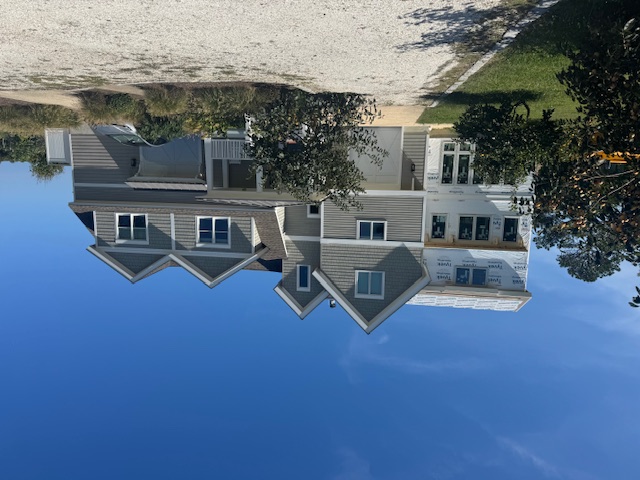
2. Clean and flush the gutters
Gutters become one of the most important parts of fall roof care once leaves begin to drop. A gutter filled with leaves, pine needles, or roof granules cannot carry rainwater away efficiently. Overflowing water can run behind the gutters, soak fascia boards, stain siding, or collect near the foundation.
After removing visible debris, flush each gutter and downspout with a garden hose. Watch for slow drainage, water backing up, or water leaking from seams. Also check whether the gutters are pulling away from the roofline or sagging in the middle.
Downspouts should discharge water at least 5 to 10 feet away from the foundation, using extensions or splash blocks where needed. Water that repeatedly collects beside the foundation can contribute to basement moisture, soil erosion, and damage to landscaping.
If your property has heavy tree coverage, you may need to clean the gutters more than once during the fall. Gutter guards can reduce the amount of debris that enters the system, but they still require inspection and occasional cleaning.
3. Look for summer roof damage
Fall is the right time to assess what the roof experienced during the summer. Months of intense sunlight and high temperatures can cause shingles to curl, crack, blister, or lose protective granules. Pop-up thunderstorms and hail can leave damage that is difficult to see from the ground.
Look for:
Missing or displaced shingles
Curled, cracked, or lifted shingle edges
Dark marks or bruised areas that may indicate hail impact
Excessive granules in gutters or downspout outlets
Exposed underlayment or fasteners
Damaged ridge caps
Fallen branches or punctures
New stains on ceilings or attic surfaces
A few damaged shingles do not automatically mean the entire roof needs to be replaced. The right solution depends on the roof’s age, the extent of the damage, the condition of surrounding materials, and whether the shingles can still provide a reliable seal.
Peninsula Roofing Company’s approach is to evaluate the actual condition of the roof and explain whether a targeted repair or replacement makes more sense. That repair-versus-replace guidance can help homeowners avoid unnecessary work while addressing problems before they spread.
4. Check flashing, vent boots, and roof penetrations
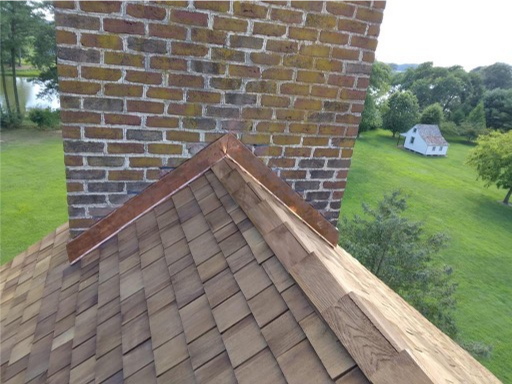
Roof penetrations and transitions are common leak points. During fall, inspect the areas where roofing materials meet chimneys, plumbing vents, skylights, walls, and dormers.
From the ground, look for:
Lifted or bent metal flashing
Rust stains
Gaps around chimneys or roof-to-wall connections
Cracked sealant
Damaged or missing step flashing
Split rubber vent boots
Shingles separating around plumbing vents
Vent boots are particularly important because their rubber seals can deteriorate after years of ultraviolet exposure and temperature changes. A small split may not cause an immediate leak, but wind-driven rain can force water through the opening.
Fall is a good time to address these issues because cold weather can make older seals and roofing materials less flexible. A professional inspection can determine whether a detail needs resealing, replacement, or more extensive repair.
5. Inspect soffits and attic entry points before wildlife moves in
As temperatures begin to fall, wildlife may search for warm, protected spaces. Squirrels, raccoons, and birds can enter through surprisingly small openings and cause damage to insulation, wiring, soffits, fascia, and roof materials.
Check exterior areas for:
Torn or missing soffit screens
Gaps at the eaves
Damaged fascia boards
Loose flashing
Broken attic or gable vent screens
Holes near roof edges
Chewed vent boots or trim
Openings around pipes and utility penetrations
Inside the attic, watch for nesting material, droppings, disturbed insulation, scratching sounds, or daylight coming through roof boards. If wildlife is present, do not seal an opening until you are certain no animals are inside. A wildlife-control professional may need to remove or relocate the animals before roofing repairs are completed.
Closing entry points early can help prevent an animal problem from becoming an insulation, moisture, or electrical problem later in the season.
6. Check for moss and algae in shaded areas
The humid coastal environment across Delmarva can create favorable conditions for moss and algae, particularly on north-facing roof slopes and areas shaded by mature trees.
Algae often appears as dark streaks, while moss may look like green, raised growth along shingle edges. Moss can hold moisture against the roofing surface and may gradually lift shingles as it spreads.
Avoid pressure washing a shingle roof. High-pressure water can remove protective granules and shorten the life of the shingles. If growth is extensive, a roofing professional can recommend a cleaning or treatment method appropriate for the roofing material.
Also trim branches that consistently shade the roof or rub against shingles. Improving sunlight and airflow can help reduce recurring moisture problems while keeping falling leaves from accumulating as quickly.
7. Verify attic ventilation before condensation season
Fall is the time to confirm that your attic ventilation system is ready for changing temperatures. When warm, moist air from the living space reaches a colder roof deck, condensation can form. Over time, that moisture can contribute to mold, damp insulation, wood deterioration, and premature roof aging.
Check that:
Soffit vents are not blocked by insulation
Ridge, gable, or other exhaust vents are clear
Bathroom and kitchen exhaust fans vent outdoors
Attic insulation is not covering intended ventilation paths
There are no musty odors or visible moisture stains
Roof decking does not show dark spots, mold, or water trails
Good attic ventilation requires balanced intake and exhaust airflow. Adding one type of vent without considering the entire system may not solve the problem. If your attic is unusually hot, damp, or musty, a professional inspection can help identify whether the issue involves ventilation, insulation, air sealing, or a roof leak.
A Practical Weekend Plan
You do not need to climb onto the roof to begin your fall inspection. Start with a ground-level review using binoculars, then inspect accessible attic areas from inside the home.
Use this order:
Walk around the property and look for damaged shingles, sagging gutters, loose soffits, or fallen branches.
Remove leaves and debris from accessible gutters.
Flush gutters and downspouts with a hose.
Confirm that downspouts move water 5 to 10 feet away from the foundation.
Look in the attic for stains, odors, daylight, nesting material, or moisture.
Schedule a professional inspection for anything you cannot safely evaluate.
Keep a record of damaged areas with photographs. Documenting changes can help you monitor a roof over time and may be useful after a storm.
When to Call a Professional
Contact a roofing professional if you notice active leaks, ceiling stains, missing shingles, exposed underlayment, soft roof decking, damaged flashing, or evidence of animals entering the attic. You should also schedule an inspection if your roof has experienced hail or high winds, is approaching the end of its expected service life, or has not been professionally assessed recently.
For commercial property owners, fall maintenance should also include checking roof drains, membrane seams, rooftop equipment penetrations, and areas where leaves collect around parapet walls. Flat and low-slope roofs require different inspection methods than residential shingle roofs.
Peninsula Roofing Company has served Delmarva since 1947: more than 75 years of experience helping property owners protect their homes and businesses. Our residential and commercial teams provide inspections, repairs, maintenance, replacement, and 24/7 storm response. We focus on practical, cost-effective recommendations and will explain when a repair is appropriate instead of automatically recommending a full replacement.
Schedule Your Free Fall Roof Assessment
Fall roof care is not about worrying over every dark streak or fallen leaf. It is about removing the debris that interferes with drainage, finding summer damage early, protecting attic entry points, and making sure vulnerable roof details are ready for the seasons ahead.
If you would like a professional evaluation, contact Peninsula Roofing Company to schedule a free fall roof assessment. You can also review our complete residential and commercial roofing services or learn more about our company and more than 75 years serving Delmarva.
Call 410-742-6163 for assistance from a local roofer Salisbury homeowners and property owners throughout Delmarva can rely on: including 24/7 emergency storm response when a roof problem cannot wait.
Comments