Why Foam Roofing Products Are 4-6 Weeks Out Right Now (and What It Means for Your Project)

If you have been told that spray polyurethane foam or another foam roofing product is four to six weeks out, you are not alone. Roofing contractors, insulation professionals, distributors, and manufacturers are all navigating a tighter market in September 2026.
The short explanation is that this is a chemical supply chain crunch, not simply a temporary increase in customer demand. The two primary raw materials used to make polyurethane foam: polyols and isocyanates: have both faced supply disruptions, production problems, transportation delays, and allocation limits.
For property owners in Salisbury, MD, and throughout Delmarva, the result is longer scheduling windows, changing material prices, and more importance placed on early project planning.
What are foam roofing products used for?
Spray polyurethane foam, commonly called SPF, is a two-component material made by combining a polyol blend with an isocyanate. When the materials react, they expand and create a continuous layer of insulation and protection.
In roofing, SPF may be used for:
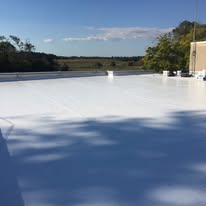
Spray polyurethane foam roofing systems on commercial buildings
Insulation beneath or above roof assemblies
Sealing cracks, joints, penetrations, and difficult roof transitions
Improving energy efficiency on low-slope buildings
Creating slope toward drains on certain flat roof systems
Supporting waterproofing and air-sealing details
SPF is not the right solution for every property. Roof design, existing materials, drainage, moisture conditions, building use, and budget all need to be evaluated before selecting a system. In some cases, a coating, membrane repair, or different roofing material may be more practical.
Peninsula Roofing’s commercial and residential roofing services include repairs, maintenance, replacement, waterproofing, and multiple roofing systems. The appropriate material should be selected based on the building: not simply on what is most available at the moment.
Why is SPF material taking four to six weeks?
1. Polyol supplies are tight
Polyols are one of the primary components in polyurethane foam. Many polyols depend on propylene oxide, or PO, as a critical feedstock.
During 2026, production disruptions affecting propylene oxide and related chemical facilities reduced the availability of materials used throughout the polyurethane industry. A fire and subsequent production problems at a major Texas chemical facility were among the disruptions reported by industry sources.
When PO supplies tighten, the impact moves through the entire chain:
Less propylene oxide is available.
Polyol production becomes more constrained.
Foam manufacturers receive less raw material.
Finished SPF products are allocated among customers.
Roofing contractors receive later delivery dates.
This is one reason the current situation is affecting more than roofing. Polyurethane foam is also used in insulation, furniture, bedding, automotive components, refrigeration, and other products.
2. MDI and TDI supplies are also under pressure
The second major group of ingredients is isocyanates, including MDI and TDI. These materials are essential to the chemical reaction that creates polyurethane foam.
Isocyanate markets have been affected by plant maintenance, production interruptions, elevated feedstock costs, and transportation problems. Some manufacturers have issued force majeure notices or limited order volumes because they cannot guarantee their normal supply.
Industry reporting has also connected the current disruption to problems involving major international chemical producers, including a reported BASF Ulsan disruption that tightened global MDI and TDI availability. However, plant-specific conditions and supply notices can change quickly, and customers should ask their distributor which specific event is affecting their order.
The practical point is simple: even when a foam manufacturer has enough polyol, an isocyanate shortage can still prevent the finished product from being produced and shipped.
3. Gulf Coast and international logistics problems are adding delays
A large portion of the chemical industry is concentrated along the Gulf Coast. When refineries, chemical plants, pipelines, ports, or transportation routes experience a disruption, the effects can reach manufacturers across the country.
International shipping conditions are adding another layer of uncertainty. Freight routes involving Asia and the Middle East have faced longer transit times, higher fuel costs, and additional routing challenges. Chemical shipments may take longer to arrive, and transportation companies may add temporary fuel or logistics surcharges.
That means a roofing supplier may be dealing with several delays at once:
Raw materials arriving late
Limited production capacity
Reduced or allocated order quantities
Longer freight routes
Higher fuel and transportation costs
Uncertain delivery dates
Under normal conditions, a foam product might have a two-to-four-week lead time. In the current market, four to six weeks is common for some products, while other products or larger orders may take six weeks or longer.
Why are foam prices rising?
The price increases are coming from several directions at the same time.
Chemical manufacturers are paying more for feedstocks, energy, maintenance, and transportation. Distributors are receiving less material and must manage limited inventory. Manufacturers may also be purchasing from alternate sources at higher prices.
Industry reporting has documented double-digit increases for some polyurethane foam products, with certain increases exceeding 20%. Some suppliers have also introduced temporary surcharges because they cannot absorb changing freight and fuel costs indefinitely.
This does not mean every foam product will increase by exactly 20%. The final change depends on the product, manufacturer, order size, supplier inventory, freight distance, and timing. It does mean that an estimate prepared several months ago may need to be reviewed before the project is scheduled.
For customers, one of the most important questions to ask is whether the quoted price is:
Valid until a specific date
Based on material already in stock
Subject to a supplier surcharge
Locked in once a deposit or purchase order is made
Dependent on a future delivery date
A clear roofing estimate should explain those conditions rather than leaving customers to discover them later.
Are Canadian tariffs causing the foam shortage?
Not directly. The foam delay is primarily connected to chemical raw-material shortages, production disruptions, allocations, and freight problems.
Canada’s counter-tariffs, effective September 8, 2026, are a separate issue. Canada’s official list of products subject to counter-tariffs includes selected U.S.-origin products at rates of 15%, 25%, and 50%. The most relevant construction categories include many steel and aluminum products, plywood, veneered panels, and laminated wood.
The tariff schedule is based on specific tariff classifications. Cement is not broadly identified as one of the main 50% categories in the official summaries, so its treatment depends on the exact product and classification.
The broader trade conflict can still affect roofing prices indirectly. Roofing manufacturers and distributors may face more uncertainty around steel, aluminum, plywood, packaging, transportation, and other construction inputs. Those costs can influence overall project pricing even when the foam itself is not subject to a Canadian tariff.
So the distinction is important:
Foam lead times: Primarily a chemical supply and logistics issue
Tariffs: A separate source of price volatility affecting some construction materials
Overall project costs: Potentially affected by both conditions
What does this mean for your roofing project?
If your project requires SPF or another foam product, planning early is more important than usual.
Ask for a realistic material timeline
Do not rely on a general statement that materials are “being ordered.” Ask when the supplier expects the specific product to arrive and whether the date is confirmed or estimated.
Get pricing details in writing
Ask how long the quote is valid and whether the contractor can lock in material pricing. If a temporary fuel surcharge or manufacturer increase is possible, it should be explained before work begins.
Consider alternatives only when appropriate
A different roofing system may be available, but changing materials is not always a simple substitution. The replacement must be compatible with the roof assembly, drainage design, insulation requirements, building codes, warranty requirements, and expected performance.
A reputable roofer should explain the advantages and limitations of each option rather than recommending a different product solely because it is currently easier to obtain.
Do not ignore an active leak while waiting
A foam material delay does not mean a leak should go untreated. Temporary protection, targeted repairs, or an alternate permanent solution may help limit damage while the specified product is being sourced.
Peninsula Roofing provides 24/7 emergency roofing response for urgent storm damage and roof failures across Delmarva.
A note about gutter guards
While planning roof work, homeowners may also be considering gutter guards. We generally advise against them. Gutter guards can allow debris to accumulate along roof eaves, trap moisture, and contribute to rot in the fascia, decking, or roof edge. They also do not eliminate the need for inspection and cleaning.
Keeping roof edges, gutters, and downspouts clear is usually a better long-term maintenance approach.
How long will the shortage last?
Earlier industry expectations suggested that supply problems could continue through at least the third quarter of 2026. As of September, the market has not returned to normal. Some suppliers may have four-to-six-week availability, while others are quoting longer windows depending on the product and order volume.
There is no reliable date when every foam roofing product will suddenly become readily available. The most responsible approach is to plan around the current conditions, verify lead times frequently, and avoid promising a start date before materials are confirmed.
Work with a roofer who communicates clearly
Material shortages are frustrating, but they are easier to manage when the contractor explains what is happening. A good roofing company should tell you:
Which materials your project requires
Whether those materials are in stock or allocated
When delivery is expected
Whether the price is locked in
What alternatives may be available
What temporary protection is needed if work is delayed
Peninsula Roofing Company, Inc. has served Salisbury, MD, and the Delmarva region since 1947: more than 75 years of helping homeowners and business owners make practical roofing decisions. Our commercial, residential, and service teams focus on finding cost-effective solutions, including repairs when a full replacement is not necessary.
If you are planning a foam roofing project or need honest guidance about timing, contact Peninsula Roofing for a free roof assessment, or call 410-742-6163. We can review your roof, discuss material availability, and help you plan the next step without unnecessary pressure.
Comments