A Quiet Hurricane Season Is Ending. Here's What Your Roof Is About to Face

As October winds down, the Atlantic hurricane season is approaching its official November 30 end. It has been unusually quiet: as of October 27, the National Hurricane Center had recorded about 10 named storms and just one hurricane, Isaias. The season’s still open, but its quiet stretch has made national news, including coverage from Scientific American describing the lack of hurricanes through September as unprecedented for that point in the season. (NHC season information · Scientific American’s report)
For Delmarva homeowners, a quiet hurricane season may feel like a reprieve. But it isn’t a reason to let your guard down. The next season brings its own challenges: nor’easters and coastal winter storms, with sustained winds, wind-driven rain, freeze-thaw cycles and, in some storms, heavy wet snow.
The simple takeaway: your roof may have had an easier hurricane season, but it still needs to be ready for winter.
The 2026–27 winter outlook: a tendency, not a storm forecast
NOAA’s winter outlook favors warmer- and wetter-than-average conditions across the Mid-Atlantic from December through February. NOAA attributes that pattern in part to a strengthening El Niño, which can shift the jet stream and favor wetter conditions along the East Coast. That may mean more opportunities for coastal storms affecting Delmarva, but it does not predict specific nor’easters, their tracks or their timing. Seasonal outlooks describe broad tendencies, not what will happen on a particular day. (NOAA’s 2026–27 Winter Outlook)
“Warmer than average” also doesn’t mean “no snow.” Each storm’s precipitation type depends on the cold air in place at the time. Something a seasonal outlook can’t determine months ahead. A storm could bring rain, snow, sleet or a mix. Heavy, wet snow is a concern for roofs because it carries more weight than dry, fluffy snow and can leave moisture sitting against the roof surface.
Why winter can test a roof that had a quiet summer
A quiet hurricane season doesn’t mean a roof came through the year undamaged. It may simply mean the roof wasn’t tested by a major tropical system. Lifted shingle tabs, aging sealant or weakened flashing can remain unnoticed until months of coastal storms put them under pressure.
Nor’easters can bring repeated strong winds and driving rain. When rain meets a vulnerable shingle edge or a gap in flashing, wind can push water against the roof’s overlaps and into places ordinary rainfall might not reach. For a general overview of how Delaware winter storms can bring a mix of snow, ice and wind, see the National Weather Service’s Delaware Winter Weather Awareness information.
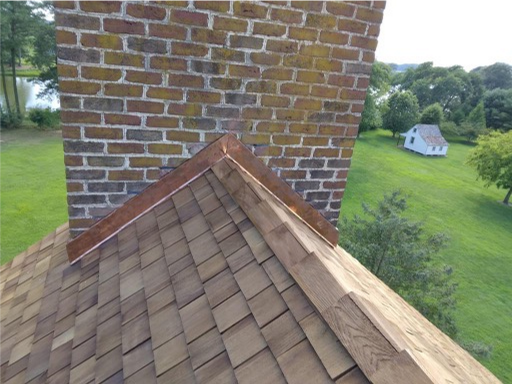
Small vulnerabilities can matter: a roof-to-chimney transition is one place where sound, properly maintained flashing helps keep water out.
Winter also brings repeated swings above and below freezing. Water that enters a hairline opening can freeze and expand, gradually widening the gap. Shingles may become brittle in colder conditions, too, making them more prone to cracking if lifted or walked on. A small issue found in fall may be simpler to address than one that has been exposed to months of wet, freezing weather.
For coastal Delmarva properties, salt air and humidity add another challenge. Depending on the roofing material, maintenance and exposure, those conditions can shorten roof-material lifespans by roughly 15–25% compared with inland conditions. That’s one reason it’s useful to check for wear before winter rather than assume a calm hurricane season means everything is in good shape.
Heavy snow and ice dams: look beyond the shingles
If a storm brings heavy, wet snow, the roof has to carry that added weight. When snow begins melting and then refreezes near the eaves, ice dams may form and hold water where it can work beneath roofing materials.
Ice dams are usually an insulation-and-ventilation issue, not a roofing-product problem. Warm air leaking into the attic can heat the roof unevenly, while poor airflow can make it harder for the roof to stay uniformly cold. For many homes in the region, attic insulation in the range of R-49 to R-60, clear soffit intake and balanced exhaust ventilation are worth discussing with a qualified professional. The right approach depends on the home’s construction and existing ventilation.

Before winter winds arrive, check for branches that could contact the roof or damage gutters if they break.
A practical pre-winter checklist
A few simple checks can help catch maintenance needs before colder weather narrows the repair window:
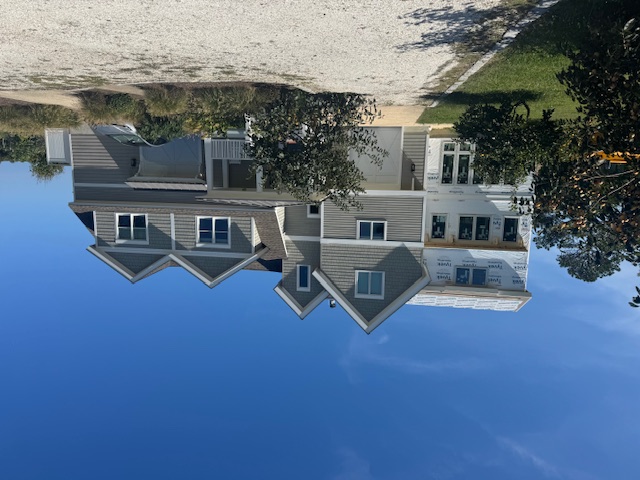
An inspection can help clarify whether a repair is enough, or whether a larger project is warranted.
Get a clear picture before winter
If you’re comparing roofing companies in Salisbury, MD, look for a contractor who can explain what they found and why they recommend a particular solution. An aging roof doesn’t automatically need replacement; in some cases, a targeted repair may be the sensible option.
Peninsula Roofing Company has served Delmarva since 1947. Our team offers free, in-person roof inspections, no drones, and checks details such as shingle tabs, sealant and flashing. We provide repair-versus-replacement guidance, financing options and 24/7 storm response for urgent roof problems.
If you’d like to have your roof checked before winter weather arrives, contact Peninsula Roofing to schedule a free pre-winter inspection. We’ll help you understand what your roof needs and whether any repairs should be addressed while conditions are still favorable.
Comments