Historic Home Roofing in Salisbury MD: 5 Things Every Owner Should Know Before Starting
- sean fahey
- Nov 17, 2025
- 5 min read

Owning a historic home in Salisbury, Maryland comes with unique rewards: and unique challenges. When it comes to your roof, you're not just dealing with wear and tear; you're managing a piece of history that requires specialized knowledge, materials, and techniques to preserve its authentic character while meeting modern safety standards.
Whether your historic Salisbury home dates back to the colonial era or represents Victorian craftsmanship, roofing projects demand careful planning and expertise that goes far beyond standard residential work. The Eastern Shore's climate, local preservation requirements, and the intricate nature of historic construction all play crucial roles in determining the right approach for your project.
Before you start calling contractors or selecting materials, here are five essential things every historic homeowner in Salisbury should understand about roofing restoration and repair.
1. You Need a Contractor with Historic Roofing Expertise
This isn't the time to go with the lowest bidder or your neighbor's general roofer. Historic roofing requires specialized skills that many standard contractors simply don't possess. The techniques used to preserve original character while ensuring structural integrity are vastly different from modern roofing approaches.
Successful historic roof repair and restoration demands understanding of period-appropriate materials, traditional construction methods, and preservation techniques that many regular roofing contractors have never encountered. The difference between an experienced historic roofer and a general contractor can mean preserving your home's authentic character versus inadvertently damaging its historical integrity.
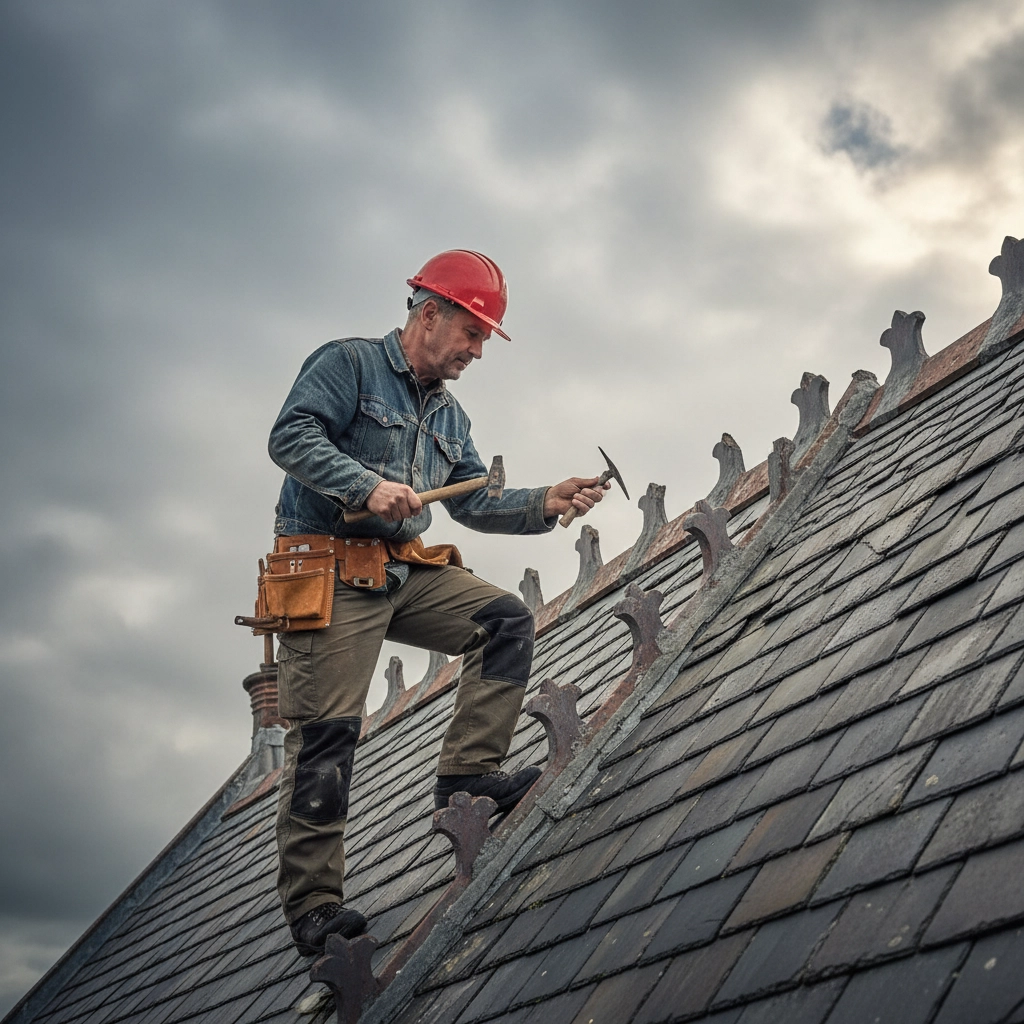
When evaluating potential contractors, ask specific questions about their historic roofing experience. Request references from other historic property owners, and don't hesitate to visit completed projects if possible. Look for contractors who can discuss the specific preservation methods they'll use and demonstrate knowledge of your home's construction era.
In the Salisbury area, several contractors specialize in historic work, particularly those experienced with Eastern Shore properties. These specialists understand the unique challenges posed by Maryland's coastal climate and the specific preservation standards that apply to the region's historic districts.
2. Understand Local Preservation Codes and Regulations
Maryland takes historic preservation seriously, and depending on your home's location and designation, you may need approval from local preservation boards before beginning any roofing work. This isn't just red tape: these regulations exist to protect your property's historical significance and ensure that modifications maintain the home's authentic character.
Historic districts in and around Salisbury often have strict guidelines governing materials, colors, and installation methods. Some areas require that roofing materials match the original style and appearance, while others may have specific requirements for visibility from public streets or neighboring historic properties.
Check with local preservation authorities early in your planning process. Securing the necessary approvals before committing to materials or contractors can save you significant time, money, and frustration. Some contractors experienced in historic work can help navigate these requirements, but ultimately, the responsibility lies with you as the property owner.
The approval process typically involves submitting detailed plans showing proposed materials and methods. This step often determines exactly what roofing materials you can use and may influence your contractor selection, as some preservation boards prefer to work with contractors who have established relationships and proven track records with historic properties.
3. Choose Materials That Honor Your Home's Original Character
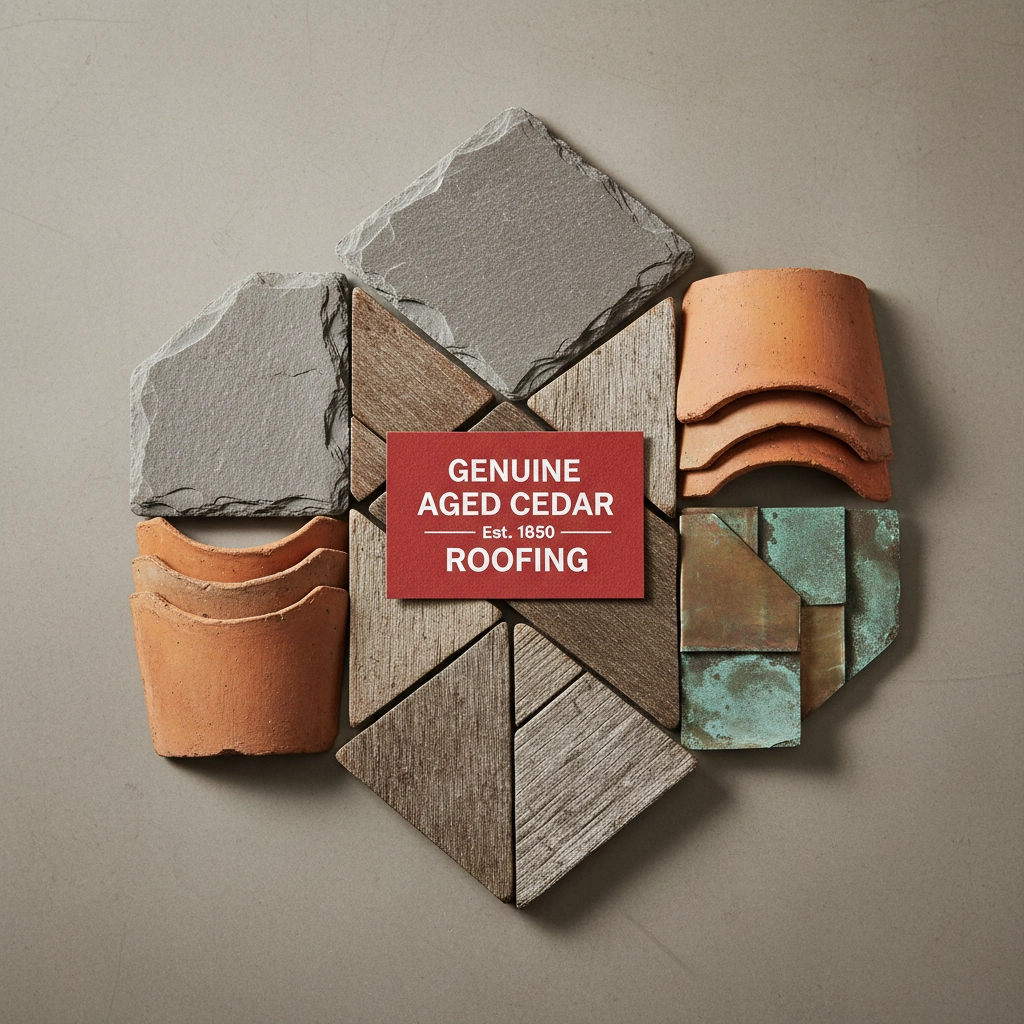
Material selection is perhaps the most visible aspect of your roofing project, and it's crucial for maintaining your home's authentic appearance. Historic Maryland homes typically featured slate, wood shingles, cedar, clay tiles, or period-appropriate metal options like copper or tin.
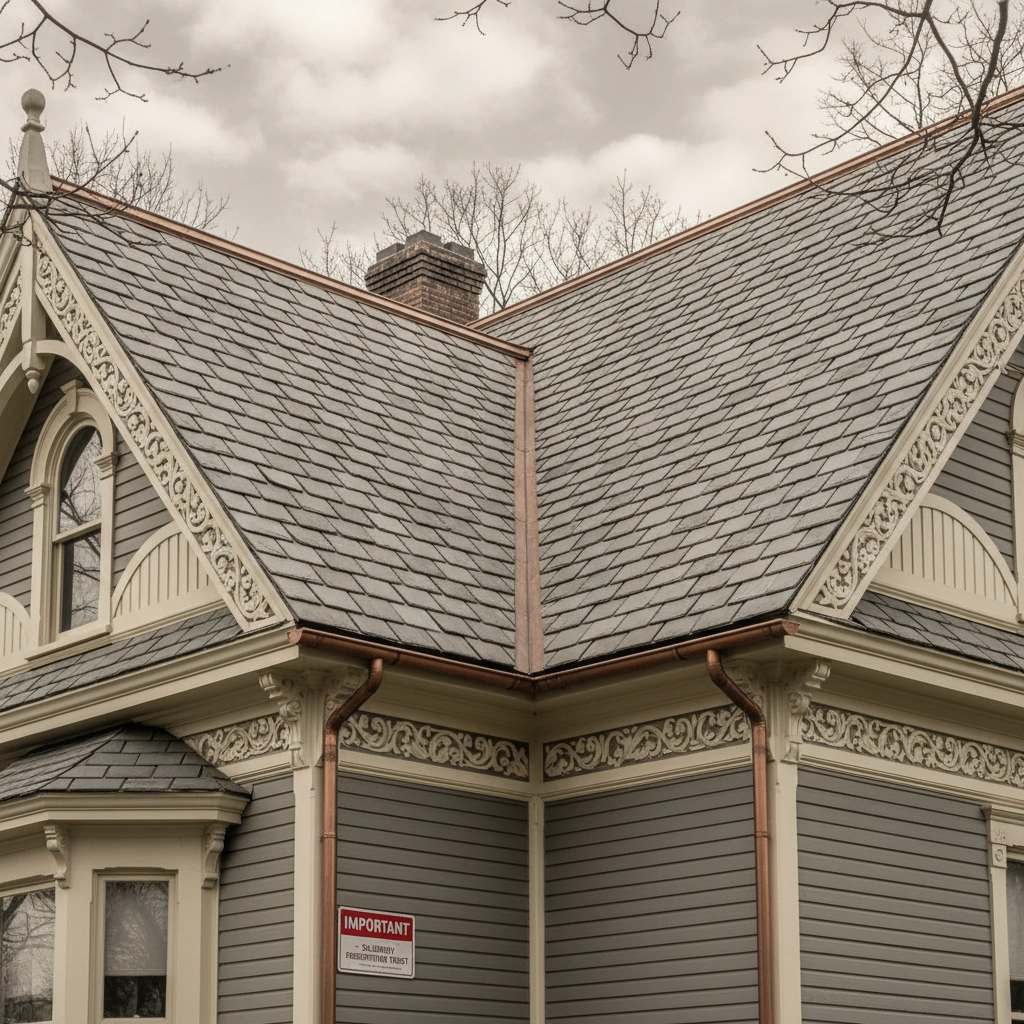
The choice isn't just aesthetic: it's functional. Maryland's climate brings humid summers, heavy rains, coastal storms, and occasional snow. Your roofing material must withstand these conditions while maintaining its historic appearance over decades.
Slate is often the gold standard for Victorian-style homes due to its durability and classic appearance. When properly installed and maintained, slate roofs can last over a century. Georgian-style homes also traditionally featured slate, while farmhouses and simpler colonial structures often used cedar shingles or early metal roofing.
Cedar requires more vigilant maintenance than slate or metal, needing regular treatment to prevent moisture damage and pest infiltration. However, it offers authentic appearance for homes where it was historically used. Metal roofing, when period-appropriate, offers excellent longevity and weather resistance while maintaining historic character.
Remember that the cheapest option may cost significantly more in the long run. Quality materials appropriate to your home's period will provide better performance and maintain their appearance longer than modern substitutes that don't match your home's original character.
4. Prepare for Structural Surprises and Hidden Issues
Historic roof restoration rarely goes exactly as planned. Two common issues frequently emerge during work: multiple layers of roofing materials from previous replacements and damage to the underlying roof decking or sheathing.
Over decades or centuries, previous owners may have installed new roofing over old materials rather than properly removing them. These accumulated layers need removal to properly repair the roof and meet current building codes. Each additional layer adds weight that the original structure may not have been designed to handle and can hide underlying problems.
Bad roof sheathing is another common discovery that often isn't revealed until work begins. The wooden decking beneath your roof covering may show signs of rot, pest damage, or structural inadequacy by modern standards. Repairing this damage is essential for ensuring any new roofing work is long-lasting and watertight.
These structural issues are particularly challenging in historic homes because repairs must balance modern safety requirements with preservation of original materials and methods wherever possible. An experienced historic roofing contractor knows how to address these problems while maintaining the home's structural integrity and historic character.
Budget for contingencies. Historic roofing projects commonly encounter unexpected issues that add 15-25% to the original estimate. This isn't contractor padding: it's the reality of working with old structures where problems often hide until work begins.
5. Start with a Professional Historic Roof Inspection
Before making any decisions about materials, contractors, or budget, invest in a thorough inspection by someone experienced in historic properties. A proper historic roof inspection goes beyond identifying obvious damage: it evaluates the entire roofing system in the context of the home's age, construction methods, and historical significance.
An experienced inspector will assess not just current damage, but potential future issues specific to your home's construction era and materials. They'll examine the structural framing, evaluate existing materials for historical accuracy and condition, and identify areas where modern safety requirements might conflict with historic preservation goals.

This inspection provides the foundation for all subsequent decisions. It helps determine whether you need restoration, partial replacement, or complete replacement. More importantly, it gives you accurate information about the scope of work required, helping you develop realistic budgets and timelines.
The inspection should also evaluate how your roof interacts with other historic elements of your home. Sometimes roofing problems stem from issues with gutters, chimneys, or other components that must be addressed as part of a comprehensive solution.
A detailed inspection report from a qualified professional also provides valuable documentation for insurance claims, preservation board applications, and contractor negotiations. This upfront investment typically pays for itself by preventing costly surprises and ensuring your project stays on track.
Moving Forward with Confidence
Historic home roofing in Salisbury requires balancing preservation with practicality, authenticity with modern safety standards, and historical accuracy with budget realities. By understanding these five critical considerations: specialized expertise, regulatory requirements, appropriate materials, structural realities, and the importance of proper inspection: you're positioned to make informed decisions that will preserve your home's character while ensuring decades of reliable protection.
The investment in proper historic roofing pays dividends not just in weather protection, but in maintaining your property's value and historical significance. When done right, a historic roofing project can enhance your home's beauty while providing modern performance that honors its heritage.
If you're ready to begin exploring options for your historic Salisbury home, contact our experienced team to discuss how we can help preserve your piece of Maryland history while ensuring reliable protection for years to come.
Comments