How to Read a Roofing Estimate in Salisbury, MD: A Line-by-Line Guide

When homeowners compare roofing estimates, they often look first at the bottom line. That number matters, but it does not tell the whole story. A roofing estimate is a scope-of-work document, and what it includes, or leaves out, can change the real cost of the project.
Sean, if you are comparing three roofing quotes for a home in Salisbury, MD, use the estimates to compare the same work, materials, and protections. A lower bid may simply be assuming one layer of tear-off, excluding disposal, or leaving deck repairs and permits to be figured out later.
This line-by-line guide explains what to look for.
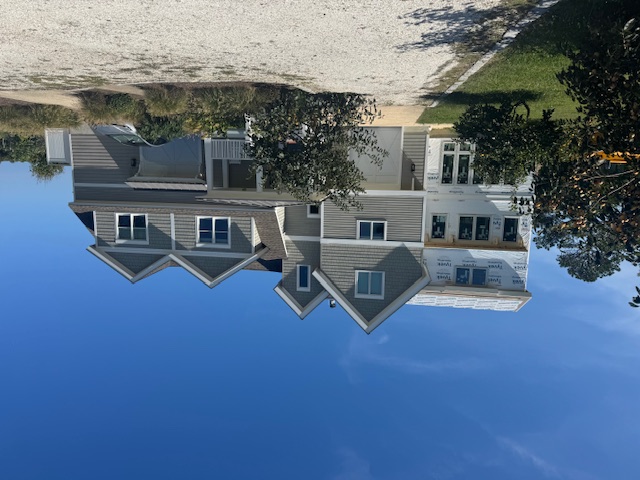
1. Tear-Off: How Many Existing Layers Are Included?
The estimate should say whether the contractor will remove the existing roofing down to the roof deck. Look for wording such as:
Remove one layer of shingles
Remove two layers of shingles
Tear off existing roofing to wood decking
Install over existing shingles
The number of existing layers affects both labor and disposal costs. If a roof already has two layers, the old roofing must be removed before new roofing is installed. A bid based on removing only one layer may look cheaper but leave you with a significant change order later.
The estimate should also show the roof size, usually in squares. One roofing square equals 100 square feet of roof surface. Ask whether the quoted tear-off includes all existing layers, underlayment, old flashing, and ridge caps.
A proper tear-off exposes the deck so the contractor can inspect the actual surface supporting the new roof.
2. Deck Sheathing: What Happens When Rot Is Found?
Roof decking, also called sheathing, is the wood layer beneath the shingles. Water intrusion around valleys, chimneys, plumbing penetrations, and roof edges can cause plywood or OSB decking to rot.
A complete estimate should explain:
Whether the deck will be inspected after tear-off
How many sheets, if any, are included in the base price
Whether replacement is priced per 4-by-8-foot sheet
The type and thickness of replacement material
What approval process is used before additional work is performed
Be cautious if an estimate says only “replace decking as needed.” Ask for the per-sheet price and whether an allowance is included. For example, an estimate might include two sheets and identify the cost for every additional sheet discovered after tear-off.
This is one of the most important apples-to-apples comparisons between quotes. Ask every contractor the same question:
“What is your per-sheet price for deck replacement if rot is found?”
3. Ice and Water Shield and Underlayment
Underlayment provides a secondary layer of protection beneath the shingles. The estimate should identify whether the contractor will use felt or synthetic underlayment, and ideally name the product or at least its type and coverage.
Ice and water shield is a self-adhering waterproof membrane. On many homes, it is used at:
Eaves
Valleys
Roof-to-wall transitions
Chimneys
Skylights
Other areas vulnerable to wind-driven rain or ice dams
In Salisbury and throughout Delmarva, humidity, heavy rainfall, wind-driven rain, and occasional coastal conditions place additional demands on roof assemblies. Salt air near the coast can also accelerate deterioration. Depending on exposure and installation quality, these conditions may reduce material lifespans by roughly 15% to 25% compared with similar roofs farther inland.
That is one reason the underlayment specification matters. “Waterproofing included” is not a complete material description. The estimate should explain what is being installed and where.
4. Drip Edge: A Small Line Item With a Big Job
Drip edge is metal flashing installed along roof eaves and often along the rakes. It directs water away from the fascia and into the gutter system while helping protect the roof edge.
Many older roofs in Salisbury were installed without modern drip edge, or the existing metal may be bent, corroded, or improperly positioned. A complete estimate should state whether drip edge will be:
Installed new
Reused
Repaired
Included at eaves, rakes, or both
If the estimate does not mention drip edge, ask why. Leaving it out can create a finished roof that still has vulnerable edges.
5. Valleys: Open Metal or Closed/Woven?
Roof valleys collect a large volume of water, especially during Delmarva’s heavy rain events. The estimate should identify the valley construction method.
Common options include:
Open metal valleys: A visible strip of metal carries water through the valley.
Closed-cut or closed-woven valleys: Shingles cover the valley area using a specified installation pattern.
Neither method is automatically right for every roof, but the choice affects water flow, appearance, maintenance, and repairability. Open metal valleys can provide a clear drainage path, while closed or woven valleys may offer a more continuous shingle appearance. The estimate should state which method will be used rather than simply saying “valleys included.”
6. Flashing and Roof Penetrations
Flashing protects the places where roofing meets walls, chimneys, skylights, and other structures. Ask whether each item will be replaced, repaired, or reused.
Look for separate lines for:
Step flashing at sidewalls
Counterflashing at chimneys and masonry
Chimney apron and cricket flashing
Plumbing vent boots
Skylight flashing kits
Wall flashing
Valley metal
Roof-to-wall transitions
J-channel and other flashings must never be set flush with the roof surface. They should be held slightly above the roof to allow water forced behind siding or trim to drain instead of becoming trapped.
A vague line such as “flashing included” does not tell you enough. Ask which flashing is new, which is being reused, and what happens if deteriorated flashing is found during tear-off.
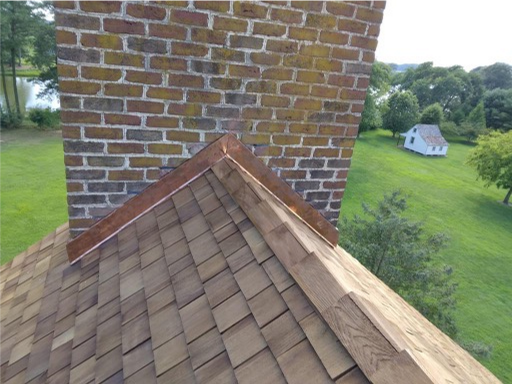
7. Ridge and Soffit Ventilation
A roofing estimate should address both exhaust and intake ventilation.
Exhaust ventilation may include ridge vents, box vents, turbines, or powered vents.
Intake ventilation typically comes through soffit vents or other low-roof openings.
A ridge vent without adequate soffit intake may not perform as intended. The estimate should identify the ventilation type, quantities, and approximate locations.
Balanced ventilation helps manage attic heat and moisture. That matters in Delmarva, where humid air and seasonal temperature changes can contribute to condensation, mold, and premature deterioration of roof materials.
8. Shingle or Roofing Material Specifications
“Shingles” alone is not a material specification. The estimate should identify:
Manufacturer or brand
Product line
Architectural or 3-tab design
Color
Warranty tier
Starter shingles
Ridge cap shingles
Required accessories
Three-tab shingles and architectural shingles are different products with different appearances, wind ratings, warranties, and price points. Peninsula Roofing installs systems from manufacturers such as GAF and CertainTeed, but the specific product line should still be written into the estimate.
For metal or commercial roofing, the estimate should identify the system type, panel or membrane, thickness where applicable, and accessory details.
9. Disposal, Dumpster, and Cleanup
Ask whether disposal is included in the total. The estimate should address:
Dumpster or trailer
Hauling
Dump fees
Removal of old roofing
Magnetic nail sweep
Final cleanup
Disposal can be a significant cost when two layers of shingles are removed. A bid that excludes the dumpster may not be cheaper once the project is complete.
10. Permit
For replacement jobs, the permit should appear as a line item or be explicitly stated as included. Peninsula Roofing handles the permit process for customers on replacement projects.
Ask:
“Is the permit included, and who is responsible for obtaining it?”
Maryland homeowners can verify a contractor through the Maryland Department of Labor’s MHIC license lookup. Confirm that the license is active and that the company name matches the estimate.
For work inside Salisbury city limits, permitting may be handled through the city. Properties elsewhere in Wicomico County may use the county’s permitting process. Your contractor should explain which authority applies.
11. Warranties: Materials and Workmanship Are Different
A manufacturer’s material warranty covers defects in the roofing product. It does not automatically cover installation errors.
The estimate or contract should separately explain:
Manufacturer material warranty
Contractor workmanship warranty
Warranty duration
Exclusions
How service claims are handled
A workmanship warranty addresses installation-related problems such as improper fastening, flashing errors, or other contractor workmanship issues. Get it in writing rather than relying on a verbal promise.
The Missing-Lines Test
Before choosing the lowest bid, compare what is missing. The cheapest estimate often leaves out:
Second-layer tear-off
Deck repair
Disposal
Drip edge
Flashing replacement
Ventilation improvements
Permit fees
Starter and ridge-cap materials
Workmanship warranty details
Give each contractor the same three questions:
What is your per-sheet price for deck replacement?
Is the permit included?
What is your change-order process if you find rot after tear-off?
The answers should be clear, written, and consistent with the estimate.
Red Flags to Take Seriously
Be careful with contractors who:
Arrive unsolicited after a storm
Pressure you to sign immediately
Ask for a large deposit upfront
Offer to waive your insurance deductible
Ask you to sign an Assignment of Benefits, or AOB
Cannot provide an active MHIC license
Refuse to explain permits, warranties, or change orders
A legitimate contractor should be willing to answer questions and provide documentation. Storm damage does not eliminate the need to compare scopes carefully.
Ask Whether Repair Is Possible
Not every roof needs full replacement. A damaged vent boot, isolated flashing failure, or limited wind damage may be repairable. A responsible contractor should explain what can be repaired instead of automatically recommending a new roof.
Peninsula Roofing provides residential and commercial roofing services, including repairs, inspections, maintenance, replacement, and 24/7 storm response. The goal is to identify the most effective solution for the property, not sell a replacement when a repair can reasonably solve the problem.
Why Estimates Expire
Roofing estimates have expiration dates because material, labor, disposal, and transportation costs can change. Peninsula Roofing quotes are valid for 15 days.
As of early October, Salisbury homeowners are also entering the last reliable stretch of the year for many roofing repairs and installations. Sealants and adhesives generally need temperatures above approximately 40°F to 50°F to cure properly. Completing the work before sustained cold weather can help ensure the roofing system is installed as intended.
For larger projects, financing options are available. The best next step is to compare detailed scopes, not just totals, and choose the estimate that clearly explains what will protect your home for years to come.
Comments