Salisbury Roofers Reveal: 7 Surprising Roof Facts Your Neighbors Don't Know
- sean fahey
- Nov 7, 2025
- 6 min read

After 75+ years in the roofing business here in Salisbury, we've heard just about every roofing myth, misconception, and "I had no idea" moment you can imagine. And honestly? Some of the most fascinating conversations we have with homeowners happen when we share the stuff that really surprises them about their roofs.
So grab your coffee, and let's dive into seven roof facts that'll probably make you the most interesting person at your next neighborhood barbecue.
1. Your "Flat" Roof Isn't Actually Flat
Here's one that gets everyone. Those commercial buildings downtown with "flat" roofs? They're not flat at all. Every single one has a slope of at least ¼ inch per foot – and there's a really good reason for that.
Think about it: if your roof was truly flat, where would the rainwater go? It would just sit there, pooling up like a kiddie pool on your building. Before you know it, you'd have standing water, sagging, and eventually, leaks that'll make your wallet cry.
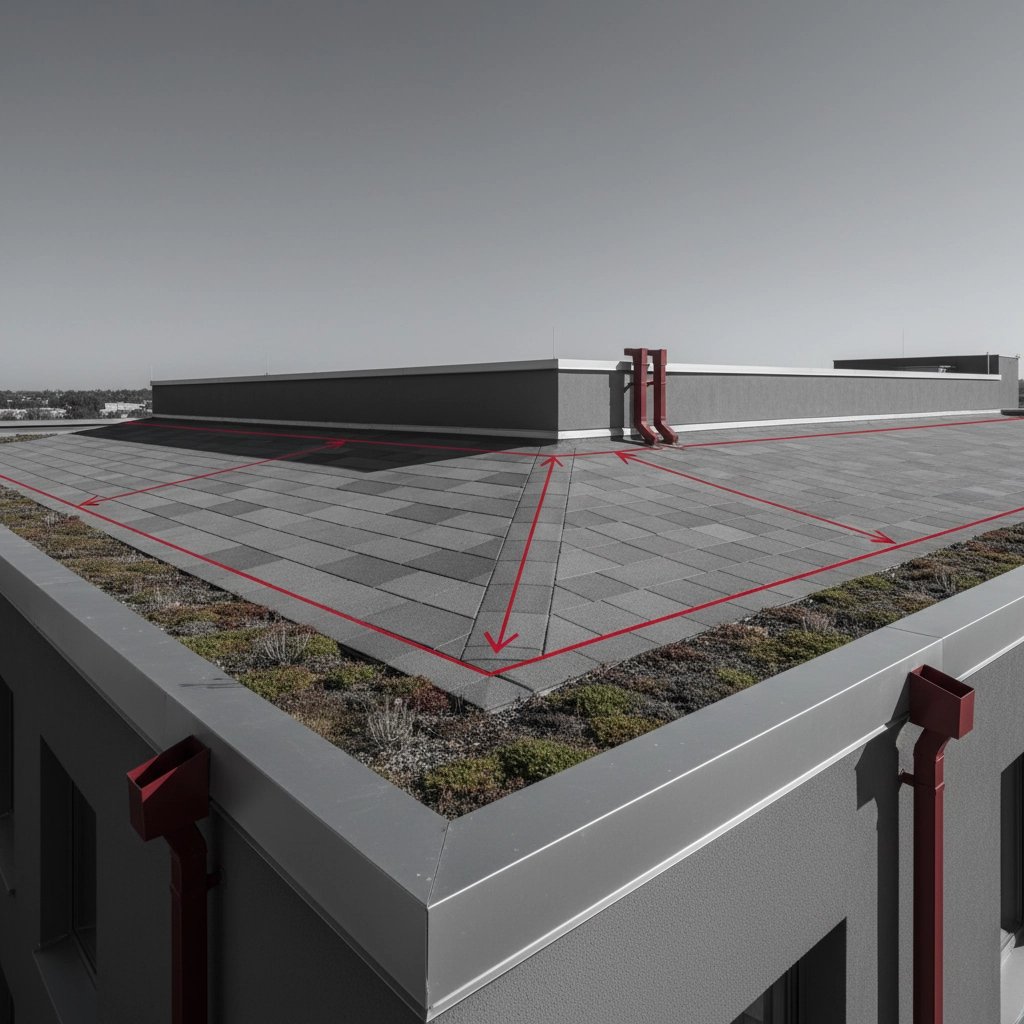
We've seen plenty of homeowners surprised by this when they're considering flat roofing options for additions or modern home designs. That subtle slope is actually engineered drainage – it's what keeps your roof from becoming an accidental swimming pool.
2. Every Roof Needs to "Breathe" (Yes, Really)
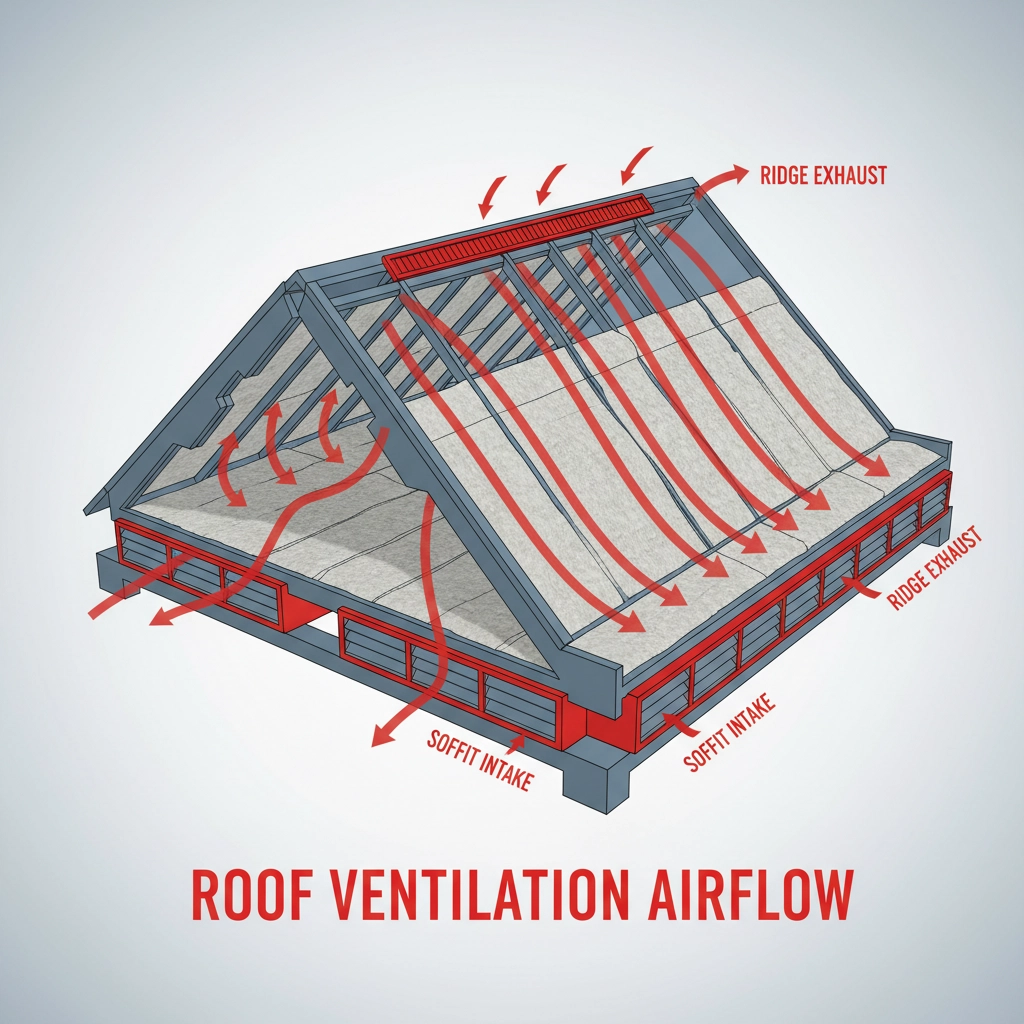
This one always gets people scratching their heads. Your roof literally needs to breathe, just like you do. Without proper ventilation, moisture gets trapped in your attic space, and that's when the real problems start.
Picture this: hot, humid air rises from your living space into the attic. Without ventilation, that moisture has nowhere to go. It condenses, creates the perfect breeding ground for mold and mildew, and can even rot your roof decking from the inside out.
The magic happens when you have both intake vents (usually in your soffits) and exhaust vents (typically at the ridge). This creates a continuous airflow that carries that moisture right out of your home. It's like giving your house a set of lungs.
We can't tell you how many "mysterious" mold problems we've traced back to poor roof ventilation. It's one of those things that's completely invisible until it becomes a very expensive, very visible problem.
3. Your Climate Basically Picks Your Roof for You
Here's something that might blow your mind: the perfect roof in Florida could be a disaster in Maine, and vice versa. Mother Nature has very specific opinions about what belongs on your house.
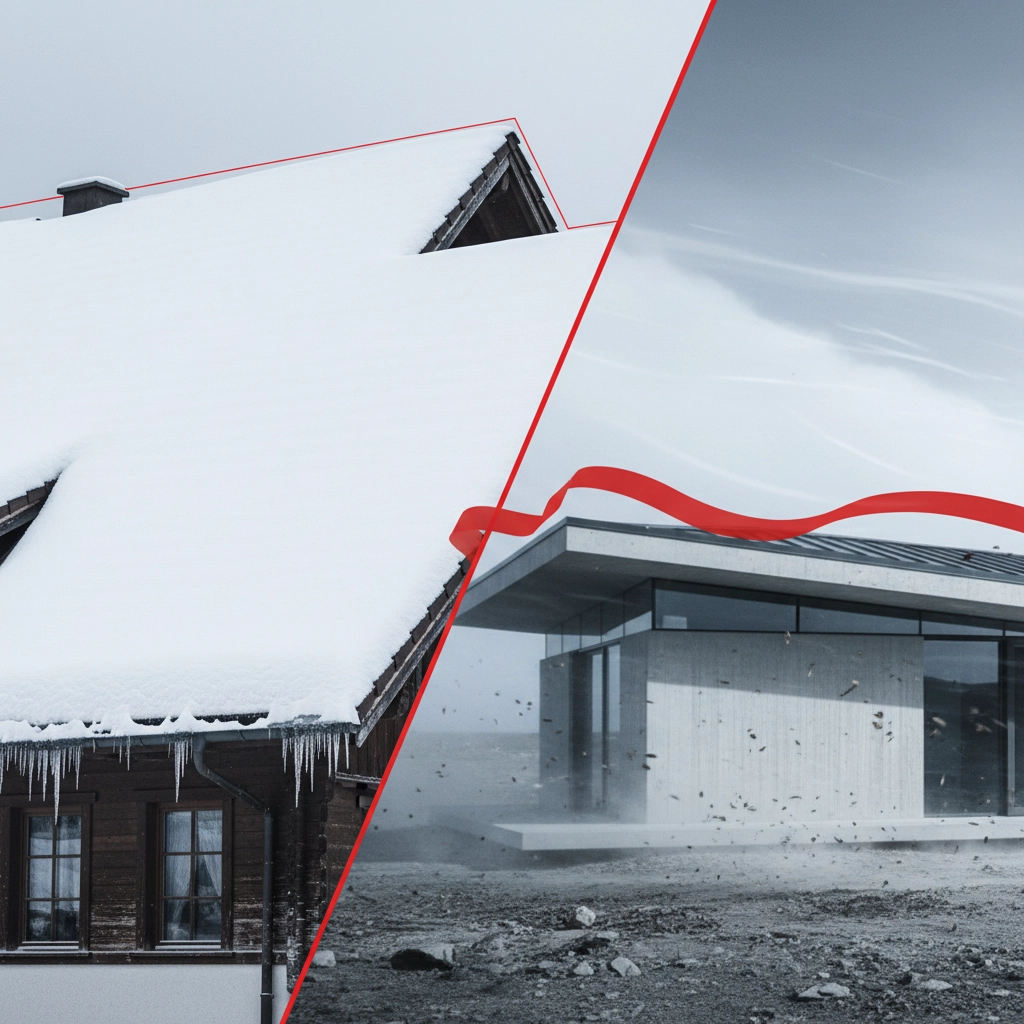
Take gabled roofs – you know, those classic triangle-shaped ones. They're fantastic in areas with lots of snow because the steep slopes help snow slide right off. But in hurricane country? Those same slopes can catch wind like a sail and cause serious damage.
Hip roofs (the ones with four equal slopes) are the wind-resistant champions. They're built to handle high winds much better than their gabled cousins. Here in Maryland, we get a bit of everything weather-wise, so we help homeowners choose materials and styles that can handle our particular brand of Mother Nature's mood swings.
Metal roofing, for example, is becoming super popular here because it handles both our hot summers and our occasional ice storms like a champ. Asphalt shingles are still the go-to for many folks, but clay tiles? Not so much – they're gorgeous in warmer climates but can crack when our winters get serious.
4. Storm Damage Plays Hide and Seek
This one's a real eye-opener for most homeowners. After a big storm, you might walk outside, look up at your roof, and think, "Whew, dodged that bullet!" But storm damage is sneaky – really sneaky.
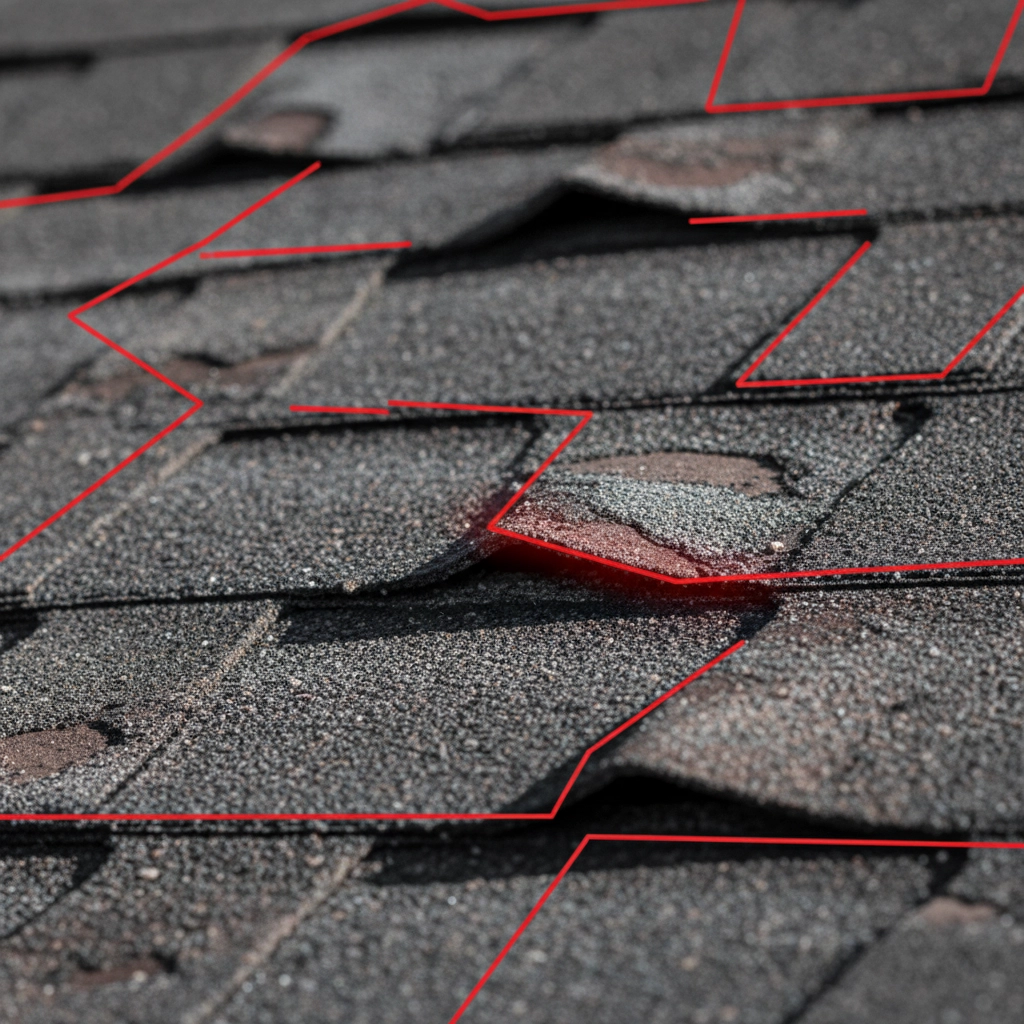
Hail doesn't always leave obvious dents. Sometimes it just bruises your shingles, making them more vulnerable to future damage. High winds can lift shingles just enough to break the seal without making it obvious from the ground. And debris? It can create tiny punctures that won't leak immediately but will definitely cause problems down the road.
We've seen homeowners discover "new" leaks months after a storm, only to find out the damage happened during that big thunderstorm they thought they survived unscathed. The water found those tiny weak spots and slowly worked its way in, creating mold, rot, and structural damage that could have been prevented with a post-storm inspection.
That's why we always recommend having a professional take a look after any significant weather event. What looks fine from your driveway might tell a very different story from up on a ladder.
5. Layering Roofs Is Like Wearing a Winter Coat in July
Some homeowners think they can save money by just putting new shingles over their old ones. I get it – it sounds logical, like adding an extra layer of protection. But this is one of those "penny wise, pound foolish" situations that almost always backfires.
Here's what actually happens: that old, damaged roof is still there, continuing to deteriorate under your shiny new layer. It's like putting a fresh coat of paint over rust – looks good for a minute, but the underlying problem keeps getting worse.
Plus, you're adding extra weight to your roof structure that it wasn't designed to handle. Two layers of shingles can add thousands of pounds to your roof load, and that's not something you want to mess around with.
We've been called out to way too many "roof replacement emergencies" where someone tried to go the layering route, only to end up with a much bigger, much more expensive problem a few years later. Trust me, doing it right the first time is always cheaper in the long run.
6. Roofing Materials Are Like Choosing the Right Shoes
You wouldn't wear flip-flops to run a marathon, and you shouldn't choose roofing materials without thinking about what you're asking them to do. Different materials have very different personalities, and picking the wrong one for your situation is a recipe for frustration.
Asphalt shingles are like your reliable running shoes – they work well in most situations, they're affordable, and they get the job done. Metal roofing is more like hiking boots – tougher, longer-lasting, and great for extreme conditions, but with a higher upfront cost.
Clay tiles are the dress shoes of roofing – beautiful and long-lasting in the right climate, but they can crack if you ask them to handle freeze-thaw cycles they weren't designed for.
The key is matching your material to your specific situation: your climate, your budget, your home's structure, and your long-term plans. What works great for your neighbor might not be the best choice for you, and that's perfectly okay.
7. Some Roofs Are Literally Worth Their Weight in Gold
Okay, this one's just for fun, but it's absolutely true. The Potala Palace in Tibet has roofs that are actually plated in gold – tons of it. This 1,300-year-old palace recently underwent an 18-month renovation that included repairs to all that gold plating, which gets damaged by wind, sun, and weather just like any other roofing material.
Now, before you start pricing gold leaf for your ranch house, remember that even golden roofs need maintenance! The palace's golden roofs require regular care and occasional replacement, proving that no matter how fancy your roofing material, Mother Nature will eventually have her say.
It's a pretty extreme example, but it illustrates something we see every day: every roof, no matter what it's made of, needs attention and care to do its job properly.
The Bottom Line: Your Roof Is More Complex Than You Think
After decades of working with roofs throughout Salisbury and the surrounding areas, one thing has become crystal clear: roofs are way more sophisticated than most people realize. They're not just a simple barrier between you and the weather – they're complex systems that need to work with your climate, your home's structure, and your specific needs.
The good news? You don't have to become a roofing expert overnight. That's what we're here for. Whether you're dealing with storm damage, planning a replacement, or just want to make sure your roof is ready for whatever weather comes next, having a team with 75+ years of experience in your corner makes all the difference.
These surprising facts are just the tip of the iceberg when it comes to roofing knowledge, but they give you a good starting point for understanding what's really going on above your head. And who knows? Maybe now you'll be the one surprising your neighbors at the next block party.
Got questions about any of these roof facts, or wondering about something specific with your own roof? We love talking about this stuff – it's what we've been doing for three generations, and we're always happy to share what we've learned along the way.
Comments